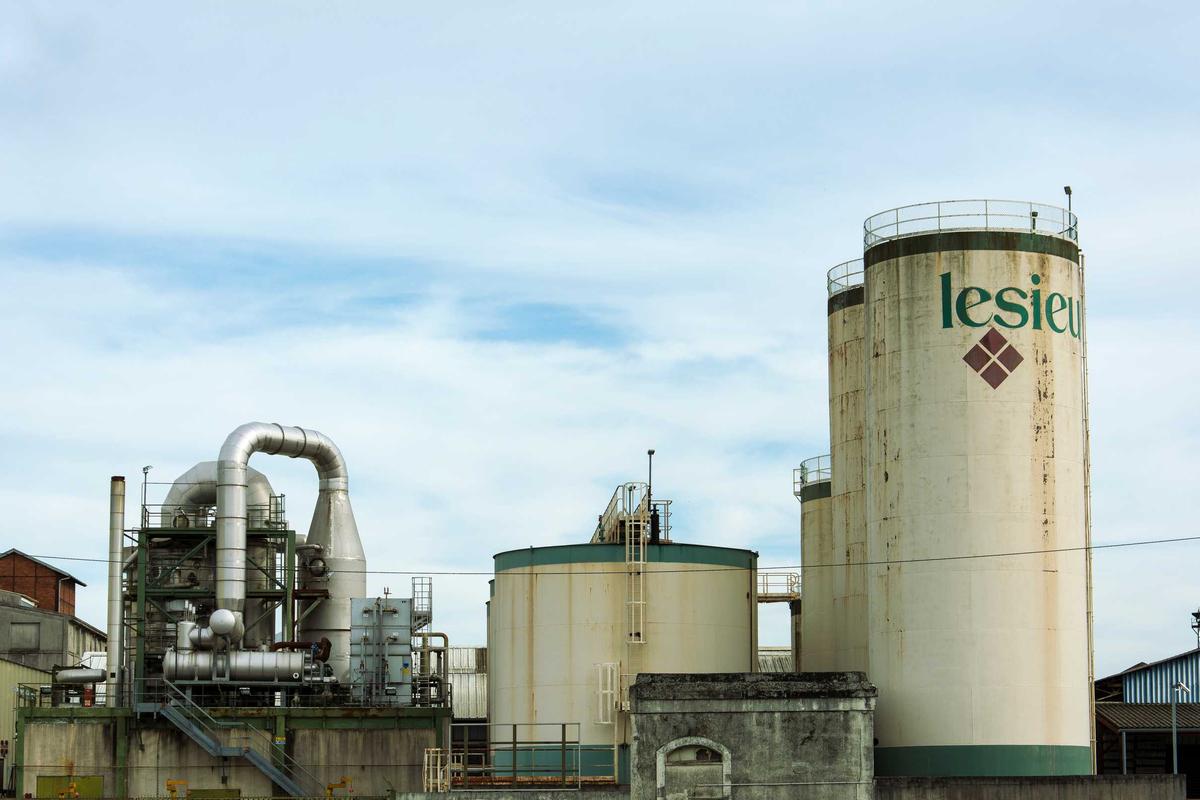
Ukrainian forces have executed precision strikes against fuel storage facilities in Russian-occupied Crimea, targeting a critical node in Moscow's logistical chain. The attack, confirmed by Ukrainian military sources, struck depots near Sevastopol and Dzhankoi. Satellite imagery analysed by independent defence journals indicates significant secondary explosions, consistent with the detonation of large fuel reserves. This operation is not a symbolic gesture. It is a deliberate and systematic effort to degrade the Russian Federation's ability to sustain offensive operations in southern Ukraine.
From a strategic perspective, this strike represents a textbook application of anti-access area denial (A2/AD) philosophy. By targeting fuel infrastructure deep within occupied territory, Kyiv is compressing Russia's logistical depth. The Black Sea Fleet, already operating under considerable duress due to Ukrainian naval drones and missile systems, now faces additional fuel constraints. A fleet without fuel is a stationary target.
The timing is equally telling. This operation coincides with renewed diplomatic pressure from London, where the Foreign Office has issued a formal condemnation of Russia's 'illegal occupation' of Crimea. While political statements alone do not alter battlefield calculus, they provide a veneer of international legal cover for strikes that some Western allies might view as escalatory. Moscow will frame this as a Western proxy attack. The reality is that Ukraine is exploiting a vulnerability Russia has failed to adequately protect.
Let us examine the hardware. The strikes appear to have utilised a combination of domestically produced Neptune missiles and Western-supplied GMLRS rockets. This hybrid approach complicates Russian air defence responses. The S-400 systems protecting Crimea are designed to counter high-altitude threats, not low-trajectory, short-range munitions. Furthermore, Russia's electronic warfare capabilities have proved inconsistent throughout this conflict. The Kerch Strait Bridge, a symbolic and logistical artery, remains a viable future target.
Critically, this attack exposes a broader intelligence failure. For months, open-source intelligence analysts have tracked the concentration of fuel supplies in Crimea, a necessary prerequisite for sustained offensive operations. Russia's failure to disperse these assets or harden storage facilities indicates either a disregard for basic field discipline or a confidence in air defence that has proven misplaced. This echoes the initial days of the invasion, where long Russian supply columns were destroyed due to poor planning and a lack of tactical flexibility.
The long-term implications are severe. Fuel is the lifeblood of modern combined arms warfare. Without it, tanks, artillery, and aircraft are rendered inert. Russia's winter offensive, already faltering due to attrition and weather, will now face further logistical friction. The Kremlin must decide whether to divert resources to protect fuel reserves or accept the degradation of combat capability. Both options incur a cost. From a strategic viewpoint, this is a classic force dilemma.
Reaction from Moscow has been predictably furious. State media has labelled the strike a 'terrorist act' enabled by NATO. This narrative is intended to rally domestic support and justify further escalation. However, the Russian military's ability to retaliate effectively is constrained. Long-range missile stocks are depleted, and sanctions continue to limit the import of precision components. A retaliatory strike against Ukrainian infrastructure is likely but will not restore Russia's fuel supply.
In conclusion, this operation signals a shift in Ukrainian strategy from static defence to proactive disruption. By attacking logistical nodes deep behind enemy lines, Kyiv is forcing Russia to fight a war of attrition it cannot win. The international community should note this as a case study in asymmetric warfare. For the Kremlin, the calculus is simple: protect your supplies or lose your offensive capability. The chessboard is set.