The price of diesel at the pump in occupied Crimea isn't just high. It's unobtainable. Fuel sales have ground to a halt after Ukrainian forces struck two major oil storage facilities in the peninsula overnight.
The attack is the latest in a series of precision hits on Russian energy infrastructure. For the average Crimean, the impact is immediate: long queues outside closed petrol stations, black market prices triple the official rate, and a grinding halt for the region's economy. The strikes targeted the Feodosia terminal, a critical node for military supply lines, and a secondary depot near Kerch.
Local reports describe towering plumes of black smoke visible for miles. This isn't a minor disruption. The total volume destroyed represents weeks of fuel supply for the region.
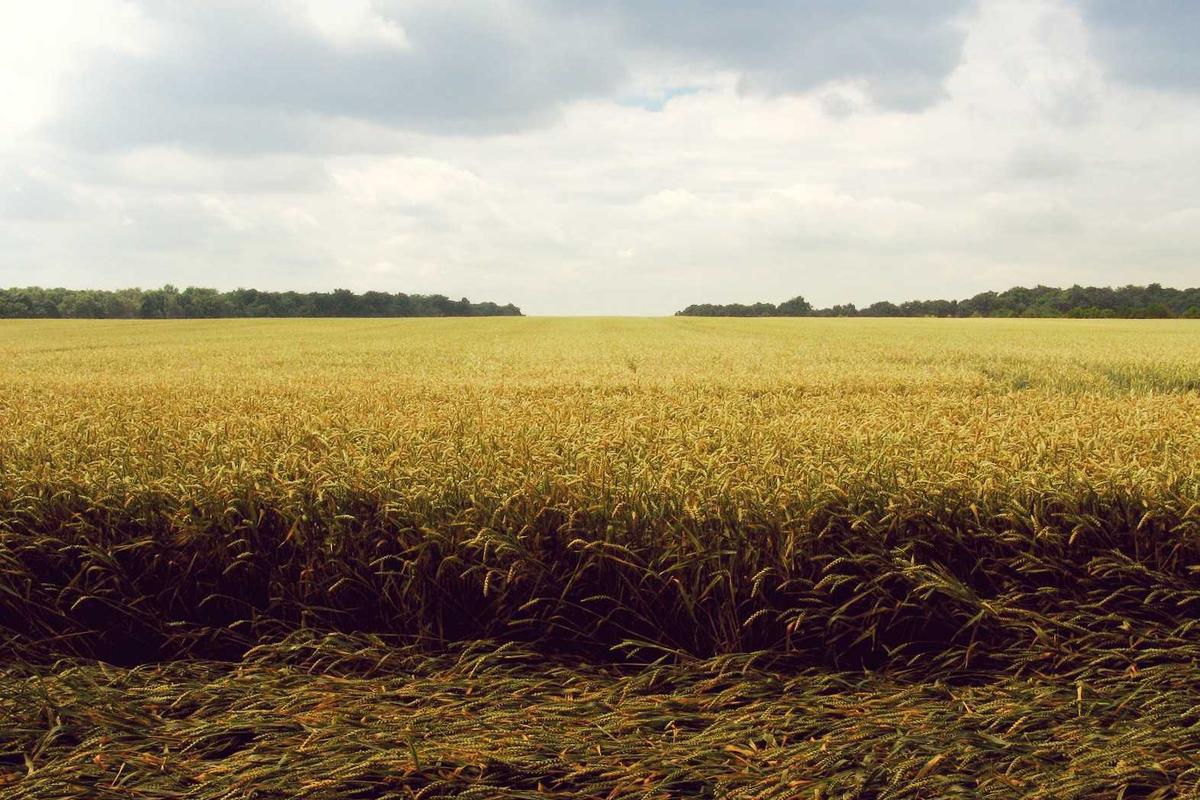
The effects ripple through the agricultural sector, which relies on diesel for harvests, and the transport networks that connect the peninsula to the Russian mainland. Across the border in mainland Ukraine, the government says this is a tactical move to choke off resources funding the war. For the families in occupied Crimea, it's a reminder that the conflict hasn't ended.
The queues at the pumps are a daily struggle. The cost of living in the occupied territories, already twisted by sanctions and war, has taken another hit. Union leaders in the few remaining independent sectors have called for calm, but the practical reality is that without fuel, you cannot get food to markets or workers to jobs.
The strike is part of a broader Ukrainian strategy to make the occupation economically untenable. It's a war of attrition on the logistics, and the kitchen table is the battlefield. As the flames die down, the long wait for fuel begins.
The real economy in Crimea is now on life support.