When the drones came for St Petersburg, the city’s grand boulevards and baroque palaces offered no shelter. The attack, which Russia has condemned as an ‘unprecedented’ escalation that threatens European security, marks a pivotal shift in the war’s geography. For Ukrainians, this is no mere military operation but a defiant assertion that no Russian city is safe. For ordinary Russians, it is the sudden collapse of the psychological distance that once made the conflict feel like a distant drama.
On the streets of St Petersburg, the mood is one of unnerving calm punctuated by a new, sharp anxiety. I spoke to residents who described the drone’s hum as an intrusion into their private siege mentalities. “We thought the war was somewhere else, in Donetsk, in Mariupol,” one cafe owner told me. “Now it’s above our heads.” The cultural capital, with its coffee shops and student quarters, now feels like a gilded cage. The human cost is not just in casualties (though there were some) but in the erosion of the belief that privilege could insulate them from war.
This attack is a social-psychological landmark. It shatters the Kremlin’s carefully crafted narrative of a ‘special military operation’ fought far from home. When St Petersburg, Peter the Great’s ‘window to the West’, becomes a battlefield, the war becomes something else entirely: an unwanted, intimate neighbour. Class dynamics are also in play. The wealthy have long been able to flee or shield themselves. Now, even the gilded spires of the city’s elite neighbourhoods offer no guarantee of safety. Inequality, always a simmering issue in Russia, now takes on a new, visceral dimension: the rich can buy better air defence, but they cannot buy back the illusion of peace.
What does this mean for the ‘human element’? It means that the front line is no longer a defined space on a map. It is in the minds of every Russian who glances nervously at the sky. It is in the hurried calls between parents and children, the sudden sale of dachas, the growing queues at passport offices. For Ukraine, the strike is a message of resilience: that their reach is long, and that the cost of this war will be spread evenly. But it also carries risks. Escalation breeds new thresholds of violence, and the coming days will reveal whether this attack forces a rethink on both sides.
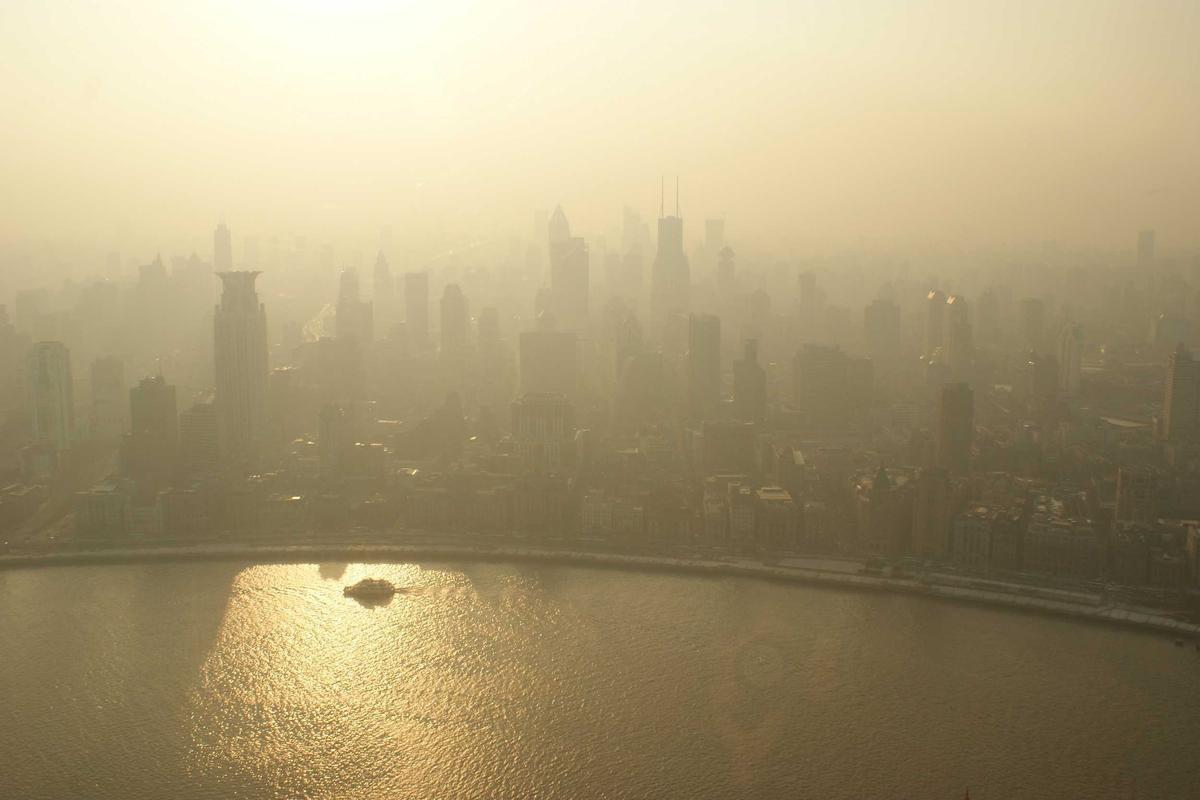
As the sun sets over the Neva River, the city that once stood as a symbol of imperial glory now embodies a new, uncomfortable truth: in modern warfare, there is no sanctuary. The drones have democratised danger, and the human cost is measured not just in lives lost, but in the quiet erosion of a sense of safety that may never be rebuilt.