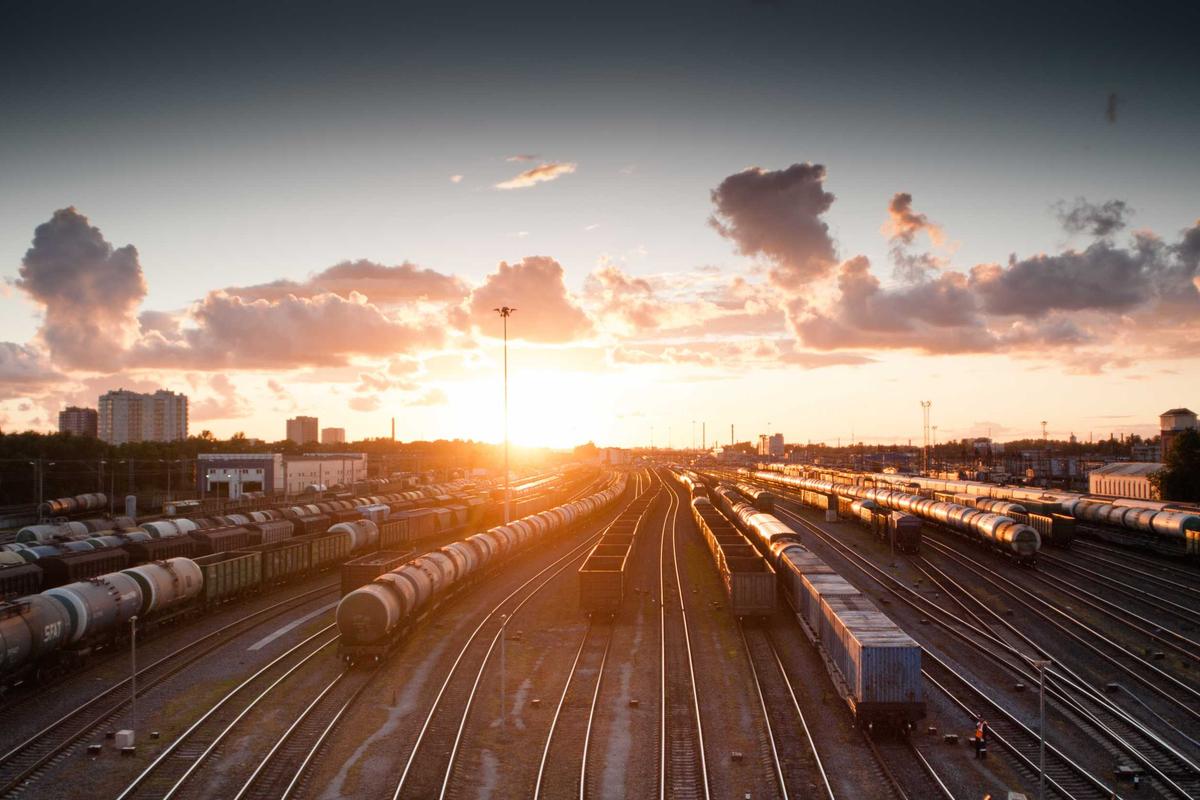
The Kremlin's war machine is facing a critical fuel shortage as Ukrainian forces intensify attacks on oil depots and refineries in occupied territories. This morning's strikes on the Novoshakhtinsk refinery in Rostov, a key supplier for Russian troops, have knocked out 30% of the region's fuel processing capacity. For ordinary Russians, the consequences are immediate: petrol queues stretching for miles, prices soaring by 15% in a week, and whispers of rationing.
But the ripples extend far beyond Russia's borders. Global oil markets are jittery, with Brent crude jumping to $94 a barrel. Europe, still weaning itself off Russian energy, watches nervously as supply lines buckle.
The working families in Manchester and Merseyside already struggling with £1.60-a-litre petrol face more pain at the pump. Union leaders warn that transport costs will push up food prices, hitting the poorest hardest.
This is not just a military calculation. It is a kitchen-table crisis in the making. The government urges calm, but the Treasury knows that every Russian refinery hit is a new tax on British households.