In a move that underscores the escalating friction points in post-Brexit travel logistics, the chief executive of a major airline has issued a stark ultimatum to British passengers: arrive at French airports at least three hours before departure or risk being denied boarding. The directive, which carries the weight of operational necessity rather than regulatory decree, emerges from the chaos of heightened border checks and biometric data processing at French ports.
Dr. Helena Vance, Science & Climate Correspondent, notes that this development is a symptom of a broader systemic strain. 'The aviation sector is a microcosm of our interconnected world, where every policy change, every technological hiccup, every human behaviour shift ripples through the network. The increased processing times are a direct consequence of the UK's departure from the EU's free movement framework. It is a physical manifestation of a political decision, now imposing a tangible cost on travellers.'
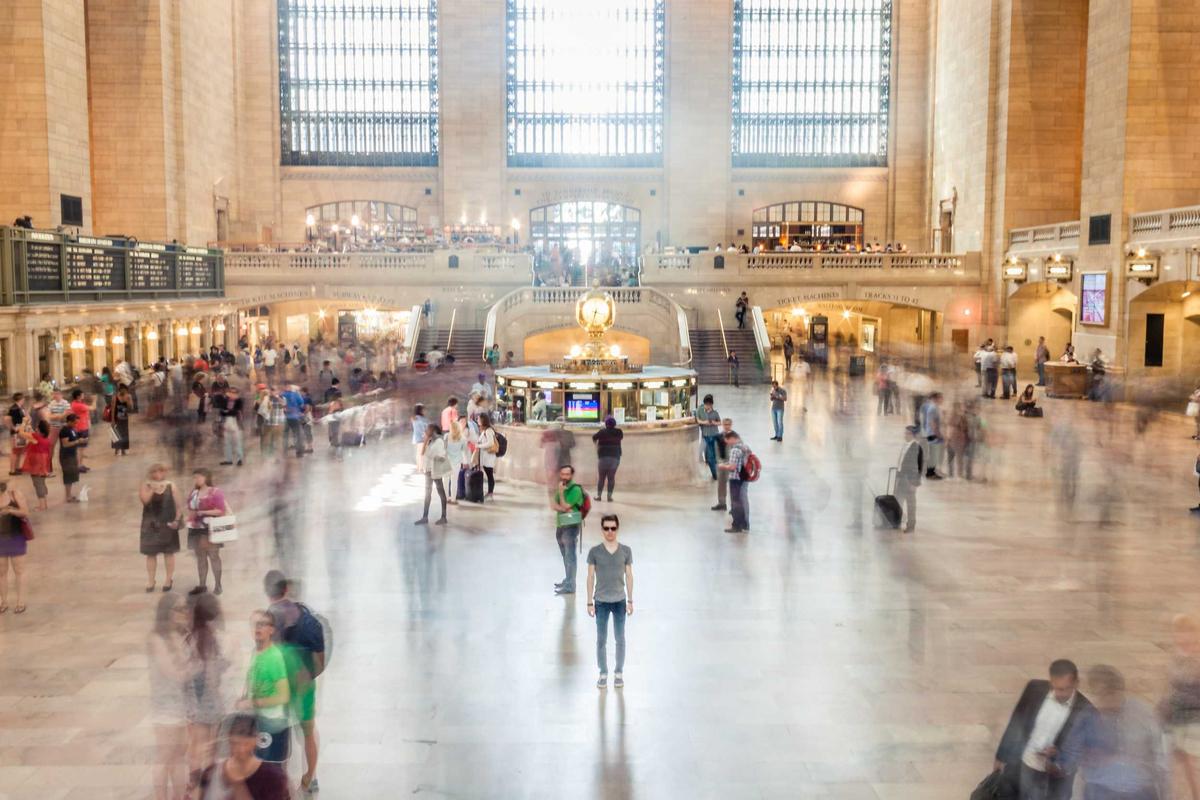
The airline boss, in a leaked internal memo, cited 'unprecedented delays' at passport control, particularly at Charles de Gaulle and Nice airports, where UK nationals now face separate, slower queues. The recommendation is not merely advisory; airlines are reportedly preparing to enforce check-in cut-offs earlier to account for the bottleneck. This could mean that a holidaymaker arriving two hours before their flight, historically ample time, might find themselves stranded outside the boarding gate.
Data from the UK Civil Aviation Authority shows that flight cancellations and delays to and from France have spiked by 15% since the introduction of the new Entry/Exit System (EES) trials. While the EES is not yet fully operational, its biometric data collection trials are already causing friction. 'This is a classic example of a complex system adapting to a new constraint,' explains Dr. Vance. 'The throughput of passengers is being throttled by a single point in the process. The solution, in engineering terms, is to either increase capacity at that point, which is politically and logistically difficult, or to stagger arrivals, which is what this effectively does.'
The warning comes at the peak of the summer holiday season, with millions of British tourists expected to cross the Channel. The environmental implications are not lost on Dr. Vance. 'Imagine the carbon footprint of thousands of idling vehicles and waiting taxis, or the wasted fuel of additional flights needed to accommodate disrupted schedules. These are not abstract metrics; they are real emissions that contribute to the warming we are trying to mitigate. The travel industry must factor these inefficiencies into its climate accounting.'
For the British traveller, the advice is pragmatic: adjust schedules, pack patience, and prepare for queues. But beneath this surface-level inconvenience lies a deeper, more urgent conversation about how we move people across borders in an era of both political fragmentation and climate consciousness. The airline's demand for a three-hour window is not a power play; it is a distress signal from a system pushed to its limits. The question now is how quickly, and with what technological and political fixes, we can restore efficiency without sacrificing security or environmental goals.
As Dr. Vance concludes, 'We are living in a period of enforced patience. The holidaymaker's extra hour at the airport is a small price for the privilege of movement. But for the planet, and for the systems we depend on, every inefficient minute comes with a cost. We must use this moment to reimagine travel, not just endure it.'