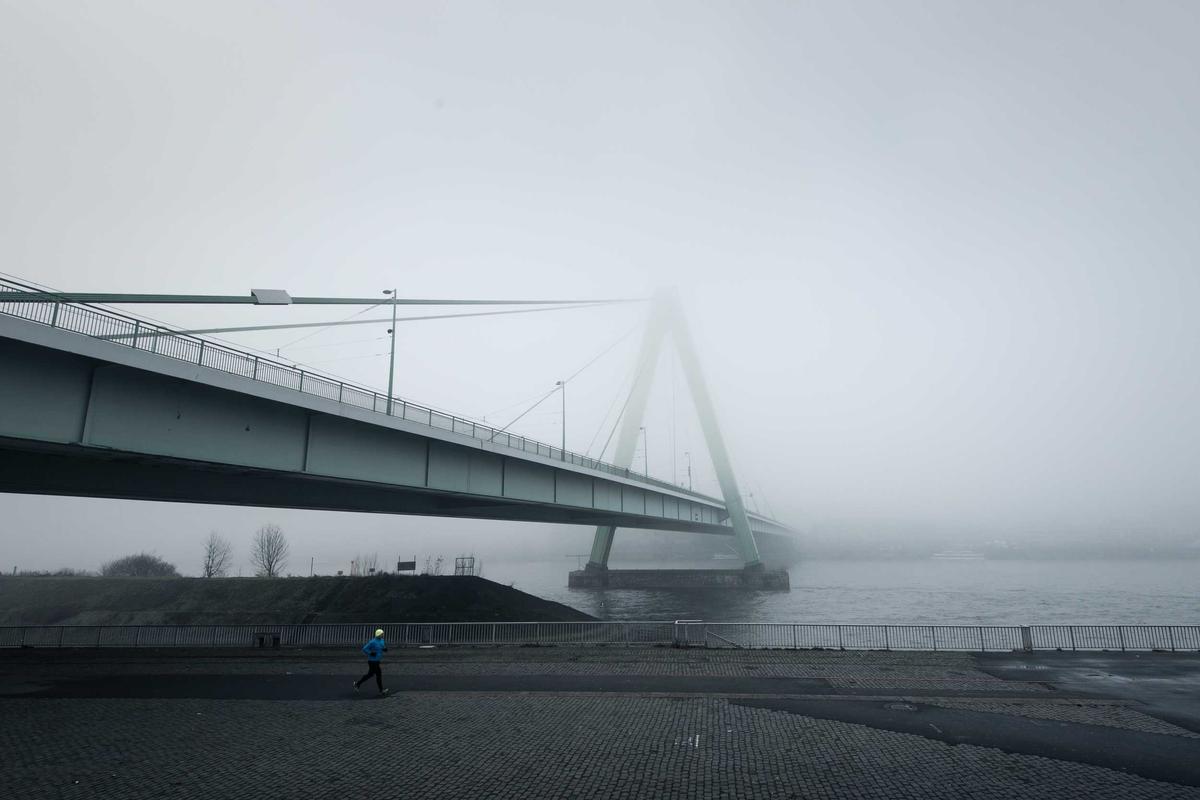
Talks in Doha this week have exposed a widening transatlantic rift over Iran policy. US envoys met with regional stakeholders but again excluded Iranian representatives, a move British diplomats warn may be counterproductive. The US strategy, termed 'maximum pressure through isolation,' has drawn criticism from London, which advocates for direct engagement to de-escalate tensions.
The Doha talks, hosted by Qatar, focused on regional security and energy stability. US officials emphasised the importance of curbing Iran's nuclear programme and its support for proxy groups. Yet without Iranian participation, progress is limited. As one British diplomat noted, negotiations without the key party are an academic exercise with no operational outcome.
Iran has responded by accelerating uranium enrichment, pushing closer to weapons-grade levels. The International Atomic Energy Agency reports that Iran now possesses enough enriched material for multiple nuclear devices. This escalation, coupled with Iran's increasing cooperation with Russia on drone technology, has heightened urgency.
British Foreign Secretary James Cleverly stated that isolation has failed and that engagement is not appeasement but realism. He pointed to the 2015 Joint Comprehensive Plan of Action (JCPOA) as a framework that temporarily froze Iran's nuclear progression. However, the US withdrawal in 2018 under President Trump unraveled those constraints. Subsequent attempts to revive the deal have stalled over issues such as sanctions relief and Iran's ballistic missile programme.
The US position remains firm: no direct talks until Iran ceases its aggressive behaviour. This includes attacks on Saudi oil facilities and maritime threats in the Persian Gulf. Yet British diplomats counter that these actions are precisely why dialogue is necessary. As one strategist put it, you negotiate with enemies, not friends.
Qatar, which hosts the largest US military base in the region, has tried to bridge the gap. But without Washington altering its stance, the diplomatic impasse continues. Meanwhile, Israel has threatened preemptive strikes if Iran approaches nuclear breakout capacity. This raises the spectre of a broader war.
The Doha meetings were not entirely fruitless. They produced a framework for humanitarian aid to Iranians affected by sanctions. But such steps avoid the core issue: Iran's nuclear ambitions and its role in regional destabilisation.
Britain's push for engagement is rooted in experience. The UK maintained diplomatic relations with Iran through the 1979 hostage crisis and later under the Islamic Republic. These channels allowed for prisoner swaps and consular support. Cutting all ties, as the US has done, removes avenues for crisis management.
Yet Washington remains wary. Direct talks could legitimise the Iranian regime and undermine pressure from allies like Saudi Arabia and Israel. The risk of being seen as weak also plays into domestic politics ahead of US elections.
Despite these concerns, the scientific reality overrides political posturing. Nuclear negotiations are a system of feedback loops: hardline policies produce hardline responses. The current trajectory, if unchecked, leads to a nuclear-armed Iran and a regional arms race. The laws of thermodynamics apply to diplomacy as well; pressure without release will cause rupture.
Technological solutions, such as advanced verification mechanisms, could rebuild trust. But they require political will. The Doha talks have at least kept communication channels open. Now it is a matter of whether Washington heeds London's advice or continues on a collision course.
The clock is ticking. Iran's enrichment rate has doubled in the past year. If the US maintains its stance, the only remaining options are military strikes or accepting a nuclear Iran. Neither is preferable to the messy, frustrating path of negotiation.
As the British diplomat concluded, engagement is not a gift to Iran. It is a tool for our own security. The question is whether the US will pick it up before it is too late.