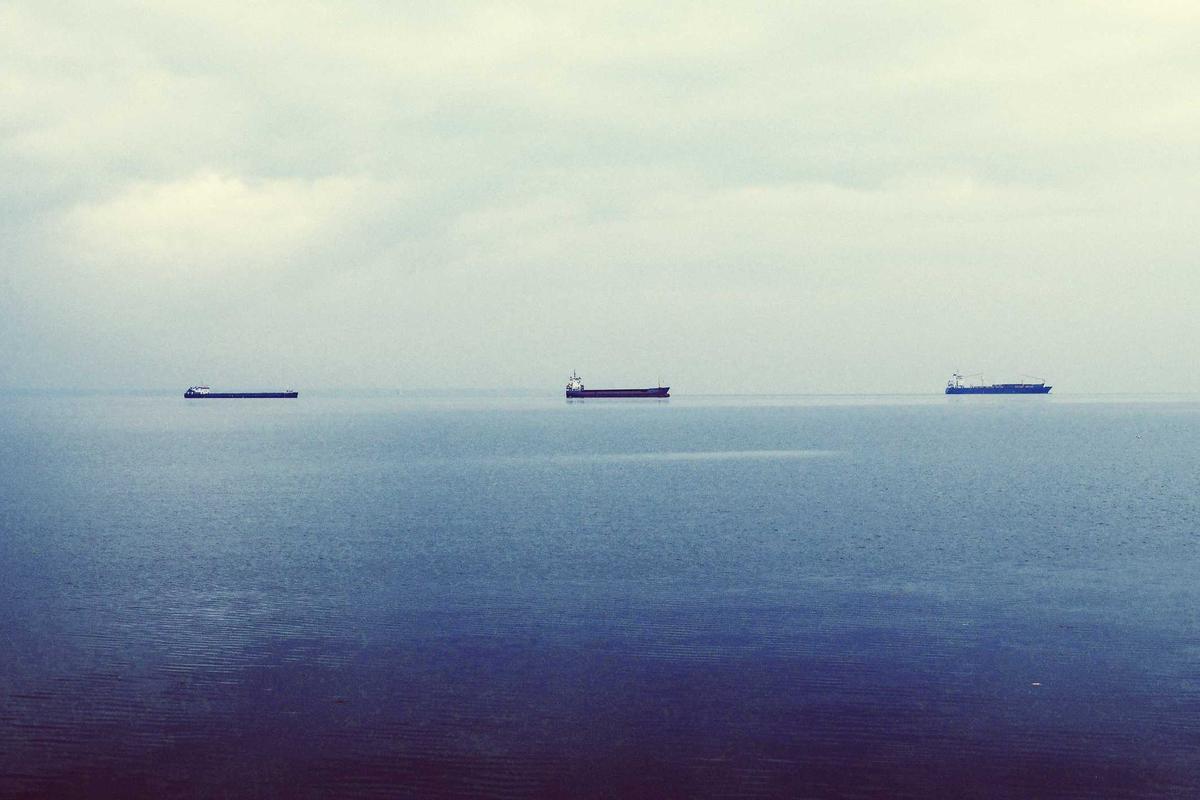
The Strait of Hormuz, that narrow chokepoint through which a fifth of the world's oil passes, has become the stage for a dramatic escalation. In a bold and unprecedented move, the US Navy has intercepted an Iran-bound oil tanker with a missile strike, sending a clear signal that the rules of engagement in these volatile waters have fundamentally changed.
According to Pentagon sources, the tanker, flagged under a Panamanian registry, was suspected of carrying contraband oil in violation of international sanctions. The strike, executed with surgical precision, disabled the vessel's propulsion system without causing a catastrophic spill or loss of life. The crew was subsequently taken into custody by US naval forces.
This is not a scene from a Tom Clancy novel. This is the new normal in a region where algorithmic warfare and geopolitical brinkmanship collide. The Strait of Hormuz is no longer just a waterway; it is a hyper-connected node in a global energy network that is increasingly monitored and controlled by autonomous systems. The US Navy's ability to track, target, and neutralise a moving vessel in such a congested maritime environment speaks volumes about the integration of AI and quantum sensing into modern warfare.
Yet, for all the technological marvel, there is a distinctly Black Mirror quality to this event. The precision of the strike masks a profound moral and strategic complexity. This was not a declaration of war, but a carefully calibrated act of coercion. The message to Tehran is clear: the US can reach you anywhere, anytime, without crossing a traditional red line.
The timing is telling. The strike comes just days after Iran threatened to close the strait, a move that would send shockwaves through global energy markets. The tanker, reportedly carrying oil from a sanctioned non-state actor, was a test of resolve. The US response was swift, but it also raises questions about the rules of engagement in an era where drones, satellites, and cyberweapons have blurred the lines between peace and conflict.
For the common man watching from afar, this might seem like yet another distant skirmish. But the Strait of Hormuz is the world's most important oil choke point. Any disruption here reverberates through your fuel prices, your heating bills, and even your ability to buy groceries. The user experience of society is directly impacted by the stability of this digital and physical supply chain.
What comes next is uncertain. Iran has vowed retaliation, but their options are limited. They could mine the strait, launch cyberattacks on critical infrastructure, or use proxy forces to harass commercial shipping. Each of these actions would escalate the conflict in unpredictable ways. The US, meanwhile, must balance its military dominance with the need to maintain global stability. A full-blown conflict in the Gulf would not only disrupt oil supplies but also imperil the fragile economic recovery from the pandemic.
This is the future of warfare: swift, precise, and deeply unsettling. The US Navy's missile strike is a glimpse into a world where machines make split-second decisions that shape the lives of billions. We must hope that those in command understand the weight of such power and the fragility of the systems we depend on.