In a move that has sent shockwaves through the corridors of power and the bars of Fleet Street, the United States has been caught with its maritime trousers round its ankles. The revelation that Iran has been merrily trading oil under the noses of the world's most formidable navy is not just an embarrassment; it is a masterclass in geopolitical ju-jitsu.
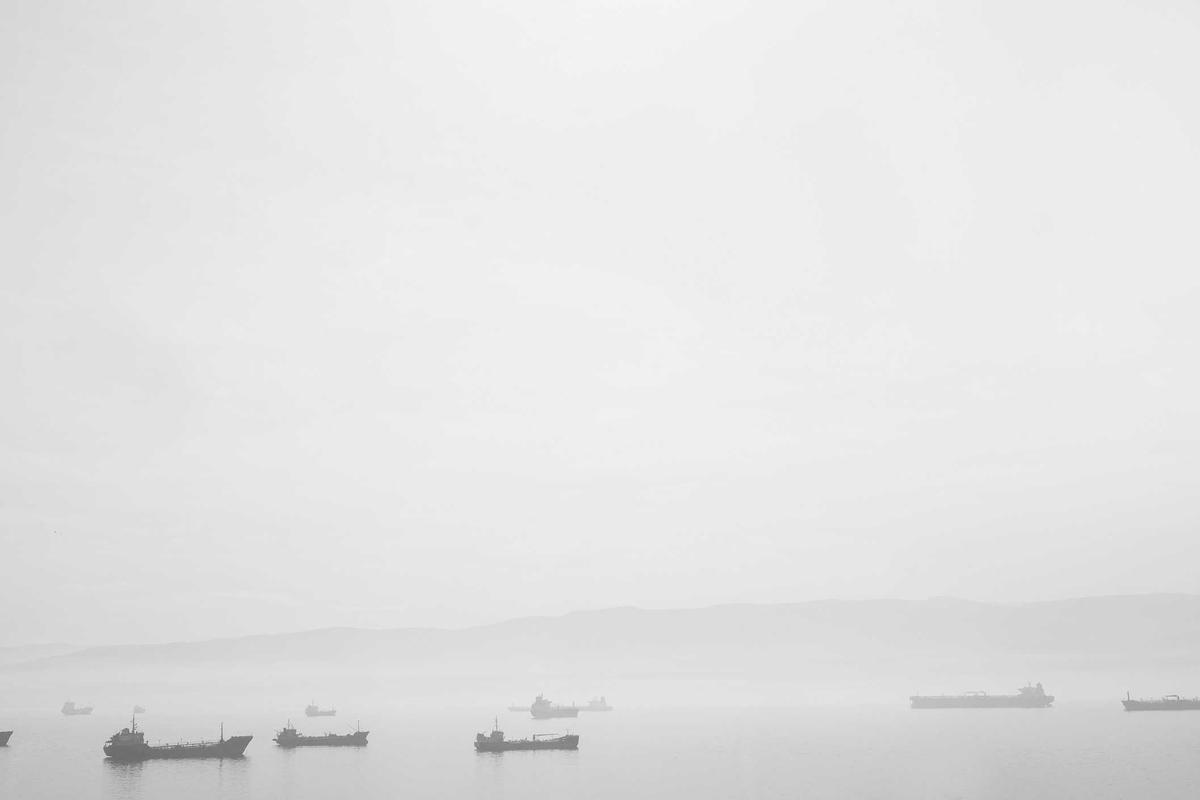
Picture the scene, dear reader. A fleet of billion-dollar destroyers, bristling with technology that would make Q from James Bond weep with envy, prowling the Gulf. Radar screens scanning. Sonar pinging. Sailors with jaws set and brows furrowed. And all the while, Iranian tankers slip through like ghosts at a seance, their cargo holds sloshing with crude. It is the naval equivalent of a magician making the Statue of Liberty disappear, only with more oil and less David Copperfield.
This is not a failure of hardware but a catastrophic collapse of imagination. The US Navy, the finest ever to float, has been outmanoeuvred by a nation that, according to official briefings, was on its knees. But knees are for bending, and Iran has bent the rules of engagement into a pretzel.
The deal itself, cobbled together with the desperation of a man trying to build a raft from driftwood mid-Atlantic, exposes the fundamental absurdity of naval blockades in the 21st century. You cannot blockade an idea, a pipeline, or a ghost. Iran has simply rerouted its trade through friendly ports, used flag of convenience vessels, and employed enough middlemen to fill a hundred John le Carré novels.
The Pentagon, ever the master of understatement, has declared the blockade 'operationally challenging.' One can almost hear the admiral's monocle popping into his tea. 'Operationally challenging' is what you call a leaky lifeboat, not a multibillion-dollar naval exercise.
Meanwhile, the State Department is engaged in the frantic semaphore of diplomacy, trying to signal that all is well while the ship of state lists dramatically. They speak of 'constructive engagement' and 'shared interests,' which is diplomat-speak for 'we have no idea what to do and please don't look at our hands.'
But the real tragedy, the bitterest pill to swallow, is that this farce was entirely predictable. Any barroom strategist could have told you that a naval blockade in a region with more pipelines than a plumbing convention was doomed. Oil, like water, finds its level. And it has found its level under the very guns of the USS Anything-Goes.
So what now, Uncle Sam? Do you double down on the absurdity, sending yet more ships to patrol a sea that has become a sieve? Or do you admit that the era of gunboat diplomacy is as dead as the dodo, and that the real battles are fought not with guns and steel but with megabytes and lawyers?
The answer, as always, lies in a gin bottle. But that is a column for another day. For now, we raise a glass to Iran, the Houdini of the hydrocarbon world, and to the US Navy, which has provided the most expensive demonstration of futility since the Maginot Line.