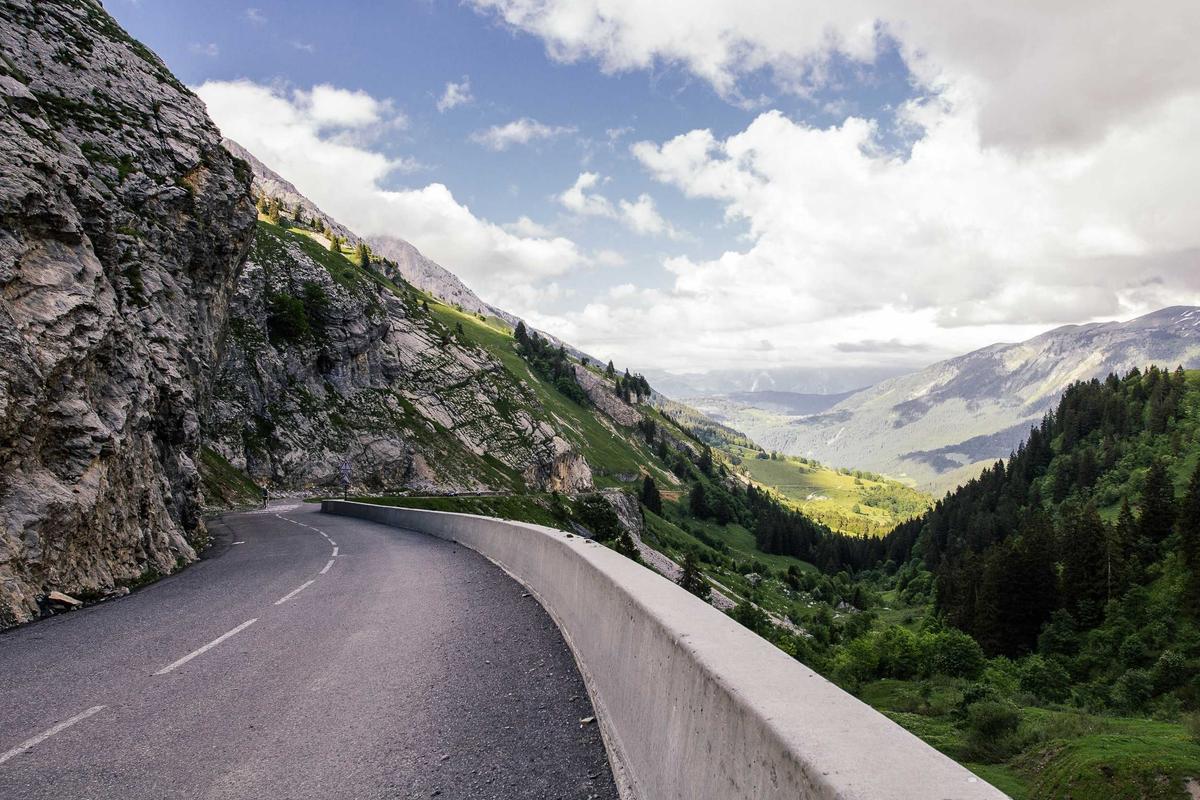
In a move that has stirred diplomatic unease, US Vice President JD Vance has taken refuge in a Swiss luxury retreat for clandestine talks with Iranian officials, prompting the Foreign Office to question the level of transparency from Washington. The talks, held at an undisclosed location in the Alps, aim to broker a new nuclear deal but have been met with scepticism from UK officials who were kept in the dark.
This is not your typical diplomatic summit. Vance's choice of a high-end retreat over formal conference rooms signals a shift towards opaqueness in international negotiations. The Foreign Office, normally a bastion of guarded responses, has voiced frustration. 'We were informed after the fact,' a senior source said. 'This is not how allies operate.'
The implications are vast. If the US can sideline the UK on matters of global nuclear security, what does that mean for the special relationship? The digital age has already eroded traditional diplomacy, but this feels like a step into a 'Black Mirror' episode where trust is a scarce commodity.
Vance, known for his tech-savvy approach, may be leveraging the retreat's seclusion to employ quantum encryption for secure communications. But in an era where digital sovereignty is paramount, keeping allies out of the loop could be a miscalculation. The Foreign Office's concerns are not just about protocol but about the precedent set for future negotiations.
As the talks unfold, the world watches with bated breath. The outcome could reshape the geopolitical landscape, but the process risks damaging transatlantic trust. For now, the Swiss chalet remains a fortress of secrets, leaving the Foreign Office and the public wondering what else remains hidden.