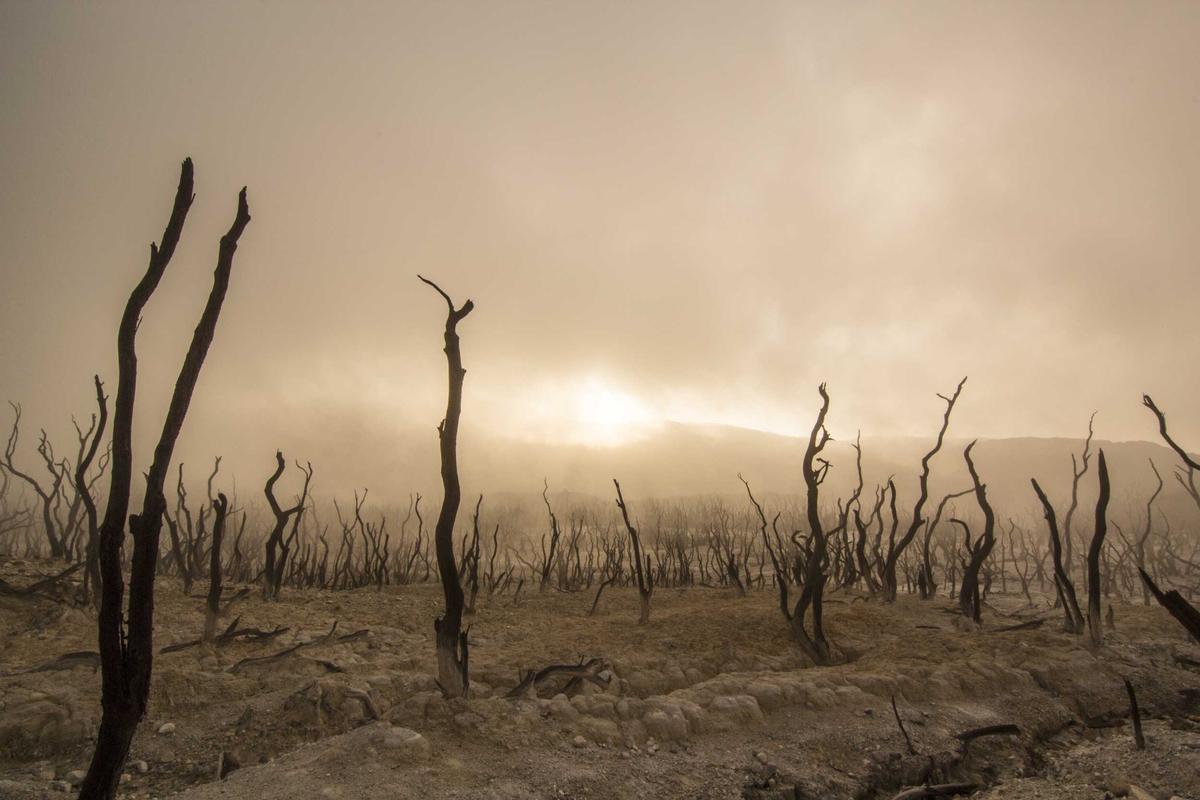
The ground beneath Venezuela continues to tremble. A series of powerful aftershocks, following the devastating 7.3 magnitude earthquake that struck the country's northern coast earlier this week, have left thousands more homeless. The tremors, some reaching 5.8 magnitude according to the United States Geological Survey, have caused further collapse of already weakened structures in the states of Sucre, Monagas, and Anzoátegui.
As rescue workers dig through rubble with increasingly desperate hope, a convoy of British aid lorries has crossed the border from Colombia, carrying emergency shelter kits, water purification tablets, and medical supplies. The United Kingdom's Department for International Development has pledged £5 million in emergency assistance, a rare show of international solidarity with the embattled Maduro government.
But this is not just a story about bricks and mortar. It is a story about data. About the invisible networks that now govern our survival. In the aftermath of the quake, Venezuela's fragile internet infrastructure has faltered, making coordination between aid groups a logistical nightmare. The government-run mobile network, already crippled by years of economic sanctions and mismanagement, is now overwhelmed. Aftershocks have downed cell towers, and backup generators have run dry of fuel.
Enter the tech volunteers. A group of local programmers, using open-source mesh networking software called Bridgefy, have created a decentralised communication system that works without internet. They are broadcasting survival tips, locations of makeshift shelters, and warnings of further aftershocks via Bluetooth relay from phone to phone. It is a digital lifeline in an analogue disaster. But it also raises questions: who controls the algorithm that prioritises information? And who owns the data flowing through these unofficial channels?
The UK aid convoy, equipped with satellite phones and Starlink terminals donated by private British firms, is attempting to plug the connectivity gap. Yet the Venezuelan government has insisted on monitoring all incoming communication devices, citing concerns about foreign interference. It is a classic tension in the digital age: aid versus sovereignty. Is a satellite phone a tool of salvation, or a vector for propaganda? The answer depends on your vantage point.
Meanwhile, the aftershocks continue. Seismologists warn that the region remains unstable, with a 30% chance of another major quake within the next week. For the thousands now sleeping in the open, under tarpaulins and desperate hope, the immediate need is shelter and clean water. But the longer-term recovery will depend on rebuilding not just homes, but the digital infrastructure that modern life relies upon.
This is the new reality of disaster response. We can predict aftershocks with machine learning models, but we cannot predict the politics of aid delivery. We can build resilient mesh networks, but we cannot stop governments from pulling the plug on them. As the UK convoy unloads its first pallets of tents in the coastal city of Barcelona, the question on every humanitarian's mind is: will the technology we bring empower or endanger?
For now, the focus is on survival. But in the wreckage of Venezuela, we see a preview of our own future. Every tremor, every aftershock, is a reminder that the line between human and machine disaster grows thinner by the day. And that the smartest algorithm is no match for the unpredictability of the human heart.