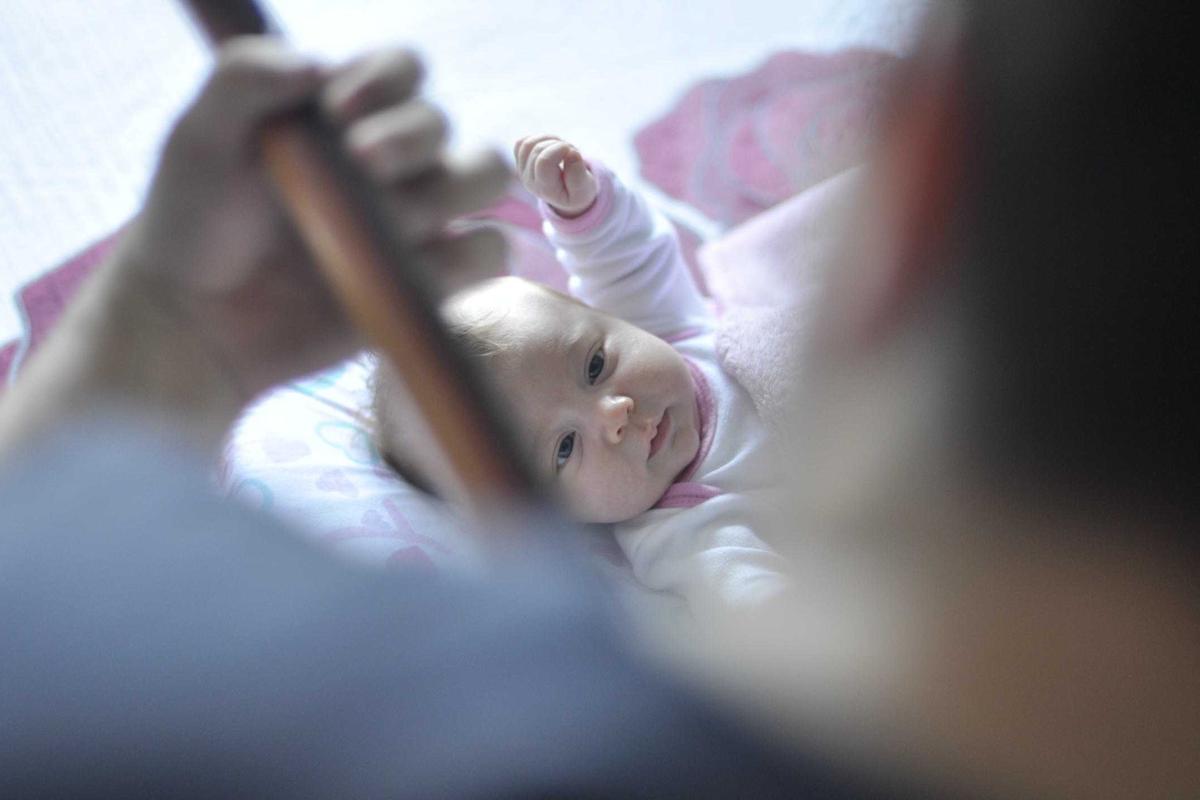
A newborn has been pulled alive from the debris of a collapsed building in Venezuela. The infant, reportedly hours old, was rescued by search teams in what officials are calling a miracle. But while this event tugs at the heartstrings, it is a symptom of a far more sinister pattern: the collapse of critical infrastructure under a hostile regime.
Venezuela's building standards have been in freefall for years, a direct consequence of state corruption and resource diversion. The same government that claims to prioritise human life has allowed maintenance budgets to be siphoned into military procurement and foreign leverage. This is not a natural disaster. It is a failure of governance, a threat vector that kills silently.
From a strategic logistics standpoint, the rescue operation itself reveals deep weaknesses. Emergency services lack heavy lifting gear, medical supplies are scarce, and coordination is erratic. If a single collapsed building can cause such a scramble, imagine the response to a coordinated cyber attack on Caracas's power grid or water systems. This is a dry run for chaos.
Hostile actors are watching. Russia and China have been deepening ties with the Maduro regime, offering technical support in exchange for resource access. But they do not offer resilience. They offer dependence. Every building that collapses, every rescue that strains resources, chips away at state capacity. This makes Venezuela ripe for exploitation: economic, political, and potentially military.
The 'miracle' of one surviving infant cannot obscure the strategic pivot underway. The region's instability is a chessboard. The United States must assess whether this signals a broader infrastructure failure that could trigger mass migration, disease outbreaks, or a power vacuum that non-state actors will fill. The newborn's life is precious; but the lives of millions hang on understanding the threat environment that created the rubble.
In military intelligence, we call this a 'canary in the coal mine.' The baby survived. The state that let the building fall did not. The question is: what comes next?