It was a day of stark contrasts across the Atlantic. On Wall Street, the selling was indiscriminate and brutal. The S&P 500 shed 2.
3% by lunchtime, with the tech-heavy Nasdaq faring even worse, plunging 3.1% as investors fled the very names that had propelled the market to record highs. Apple, Microsoft, and Alphabet all tumbled more than 3% each, with whispers of a sector-wide rotation turning into a full-blown stampede.
The catalyst? A double whammy of hawkish Fed commentary and disappointing earnings guidance from a bellwether semiconductor firm. The CBOE Volatility Index, the market's fear gauge, spiked above 25 for the first time in three months.
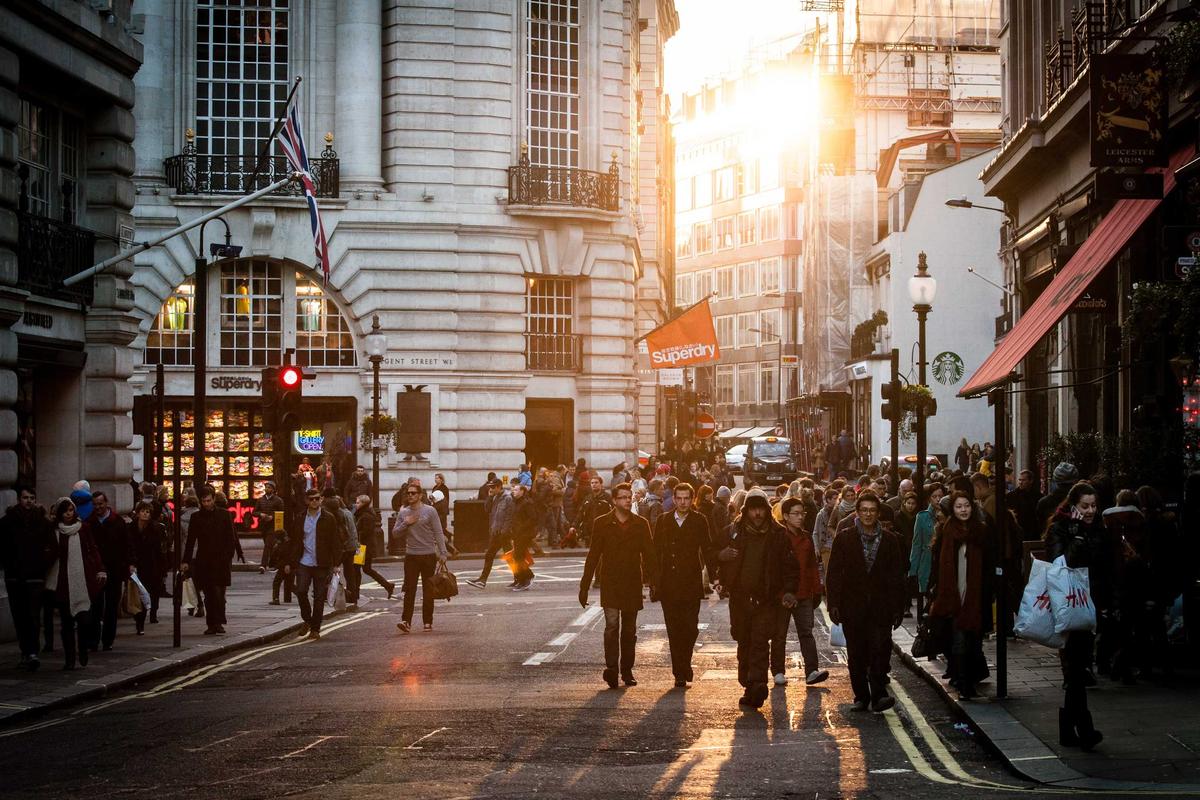
Capital, as it so often does, sought refuge in government bonds, driving the yield on the 10-year Treasury note down 12 basis points to 4.05%. But across the pond, London's FTSE 100 was a picture of relative calm.
The index edged up 0.2% in afternoon trading, buoyed by its heavy weighting in defensive sectors like utilities and healthcare. British equities, often dismissed as boring, suddenly looked like a safe harbour.
The pound held steady against the dollar, and gilt yields barely budged, with the 10-year yield hovering around 3.85%. The divergence reflects a fundamental difference in market composition and sentiment.
Wall Street is a casino built on growth promises and high valuations. London is a pension fund of mature companies paying dividends. When risk appetite sours, the latter wins.
For now, at least. But let's not pop the champagne corks just yet. The underlying forces that shook New York are global.
Sticky inflation, tightening monetary conditions, and geopolitical uncertainty don't respect borders. A soft landing in the US is far from assured, and if the world's largest economy stumbles, London will feel the tremors. The Bank of England faces its own dilemma: keep rates high to tame inflation and risk a recession, or cut and watch the pound slide.
The market's bet is on the former, but the margin for error is razor-thin. For now, London is holding its nerve. But the smart money knows that in a globalised world, no market is an island.