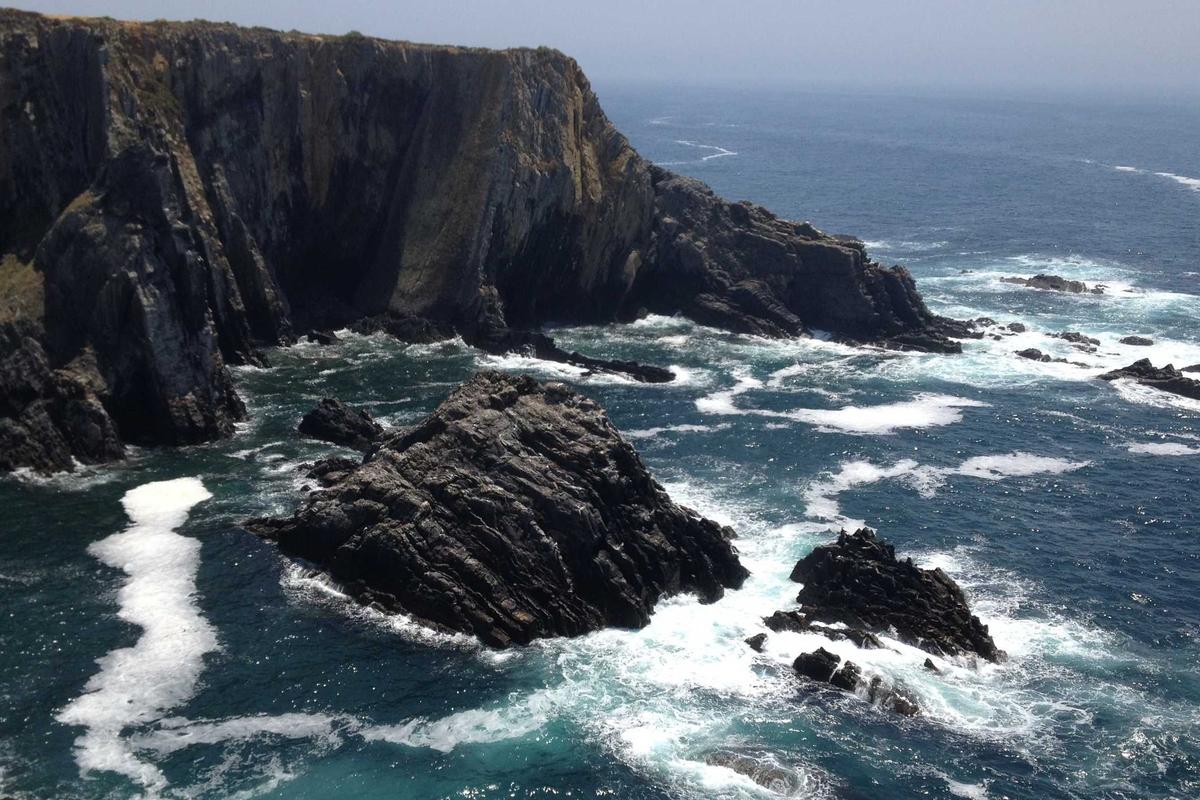
Mexican surfers have ignited a fierce debate over cultural appropriation while chasing a world record wave off the coast of Oaxaca. The incident, which unfolded at the notorious Puerto Escondido break known as the 'Mexican Pipeline', saw local surfer Maria Lopez ride a 70-foot monster, a feat that should have been celebrated. Instead, her achievement was overshadowed by allegations that foreign surfers have co-opted Indigenous Zapotec traditions for profit and glory. This is a story not just about big waves but about the collision of cultures in a rapidly warming world.
Let us be clear: the physical reality of climate change is driving bigger and more frequent storm surges, making waves like these more common. The energy in the atmosphere is increasing; the oceans are absorbing more heat. This is not a matter of opinion. It is physics. When you pump more energy into a system, you get more extreme outputs. The Pacific is now delivering swells that would have been unthinkable a decade ago.
But the controversy here is human, not geophysical. Lopez, a member of the Indigenous Zapotec community, was offered a sponsorship by a foreign surf brand, which immediately pivoted to selling 'authentic' Zapotec-patterned wetsuits. The brand’s founder, an Australian, claimed the designs were 'inspired' by local artisans. This is a classic example of cultural appropriation: taking a sacred tradition and commodifying it without acknowledgment or benefit to the original culture. The Zapotec people have been weaving these patterns for centuries; they are not fashion accessories.
Lopez herself was caught in the crossfire. She had accepted the sponsorship in good faith, believing it would shine a light on her community. But the backlash was swift. Social media erupted with accusations of selling out. She now faces a choice: renounce the deal and risk her career, or continue and be accused of betraying her roots. This is the kind of impossible dilemma that occurs when privilege and poverty intersect.
The energy transition, or lack thereof, is the backdrop here. As the planet warms, coastal communities like those in Oaxaca face existential threats: rising sea levels, more intense hurricanes, and altered fish migrations. The tourism economy that foreign surfers depend on is fragile. Yet the global north continues to burn fossil fuels, exporting emissions and importing cultural artefacts. The irony is bitter.
I am tired of explaining this, but I will do it one more time: The Earth’s average temperature has risen by 1.2C since the industrial revolution. That does not sound like much, but it represents an enormous amount of energy. The atmosphere can now hold 7% more water vapour per degree of warming. That water vapour fuels storms. And storms make big waves. This is not a coincidence. It is cause and effect.
Technological solutions exist: desalination, floating solar farms, AI-driven ocean monitoring. But none of these address the cultural loss. When a Zapotec pattern becomes a logo on a wetsuit, something irreplaceable is eroded. The biosphere is collapsing, and so are cultural boundaries. We cannot have a climate conversation without a justice conversation.
The record wave will stand. The controversy will fade. But the underlying issues will not. The ocean does not care about our cultural disputes. It is rising nonetheless. And we, the species that refuses to act, are left arguing over who gets to profit from its wrath.
As I sign off, another swell is building off the coast of Mexico. Lopez will ride again. The world will watch. But the question remains: will we learn anything?