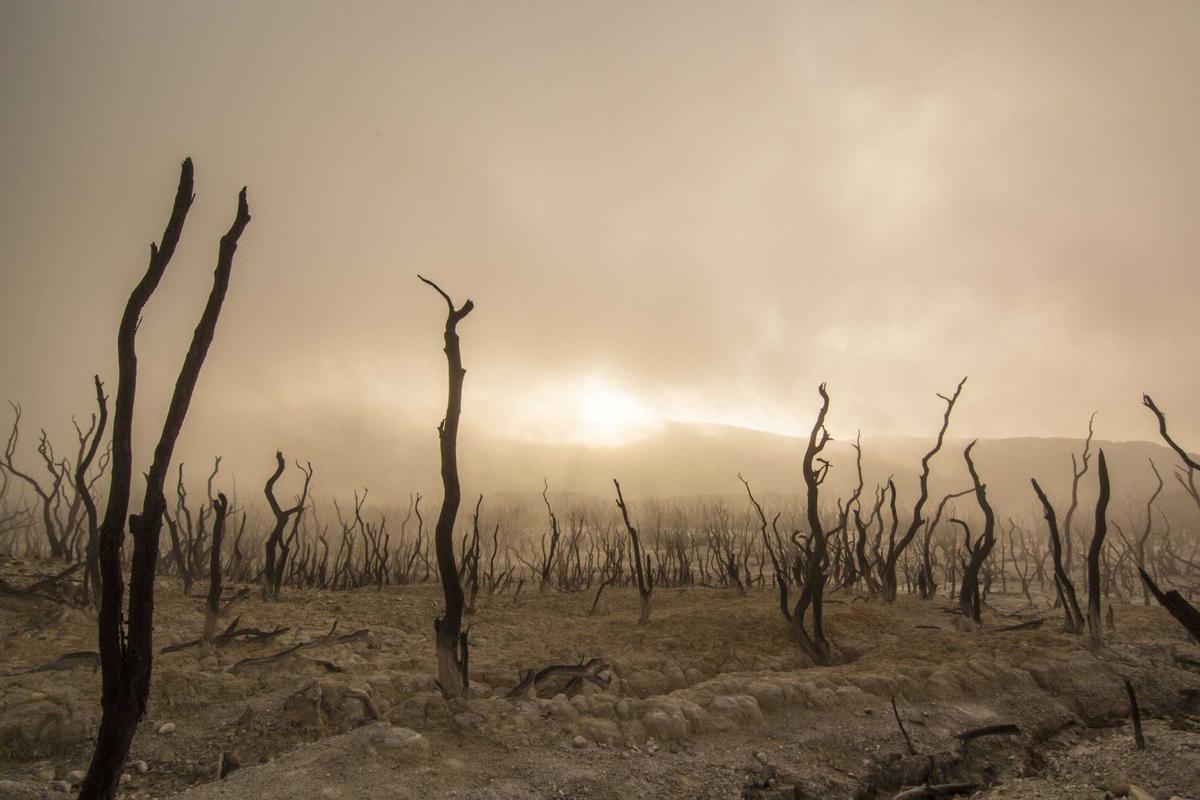
The mercury has shattered records across Western Europe, with temperatures peaking at an unprecedented 47°C in parts of the continent. The United Kingdom, a nation more accustomed to drizzle than desert, has placed its hospitals on emergency footing as the heatwave exposes the fragility of a society built for milder climes. This is not just an weather event; it is a stress test for our digital and physical infrastructure.
The data rolls in from IoT sensors across the National Health Service: wards are overheating, ambulance response times are stretching, and the load on emergency services is spiking in a way that algorithms warned us about but politicians ignored. We have long predicted that climate change would be a 'multiplier of risks' for complex systems. Today, that prediction is verified in real-time.
As a technology and innovation lead, I see the uncomfortable parallels between this heatwave and the cyber threats we usually discuss. Both are systemic shocks that cascade through interconnected networks. When a hospital's cooling system fails, it impacts not just patient comfort but surgical schedules, medication storage, and data centre uptime for electronic health records. The 'Internet of Things' becomes a 'Crisis of Things'.
Digital sovereignty is another layer here. As the heatwave drives up energy demand for air conditioning, the grid becomes a geopolitical muscle. France's nuclear plants are forced to throttle output because river temperatures are too high for cooling. This is not just a French problem; it is a European energy inter-dependency crisis. Our smart grids, designed for efficiency, become vectors for failure. The user experience of society, which we have optimised for convenience, is now being tested for resilience.
The human cost is the hardest number to compute. The elderly, the isolated, those without digital access to warnings are the most vulnerable. We talk about AI ethics, but here the ethical failure is one of preparedness. We have the predictive models, we have the climate science, but we lacked the political will to harden our hospitals against a future that is already here.
This is a moment for a 'techlash' of a different kind. Not a backlash against innovation, but a demand for innovation aimed at survival. I call it 'Climate Adaptation Technology' or 'Cat-Tech'. We need passive cooling buildings, heat-proof data centres, and distributed energy systems that do not centralise risk. We need to redesign the user interface of our cities for extreme events.
The government's emergency footing is welcome, but it is reactive. The next step must be a national digital resilience strategy that treats extreme heat as a persistent threat, not a freak event. Otherwise, the code of our civilisation will continue to crash under conditions it was never written to handle.