The news broke from a Japanese steel works in the dead of night. A man attacked by a bear. Not a workplace accident involving machinery or chemicals, but a wild animal roaming the industrial floor. It sounds almost medieval, a clash between the natural world and modern industry. Yet it happened, and the question that immediately arose in the British press was not about the victim's condition, but about our own safety regulations. UK health and safety rules, we are told, prevent such incidents. But do they? What does this say about our cultural attitudes towards risk and nature?
Let's be clear: a bear attack at a steel plant is rare, even in Japan. But the fact that it can happen, that a bear can wander onto an industrial site, speaks volumes about the interface between human industry and the wild. In the UK, we pride ourselves on stringent health and safety protocols. They are the butt of jokes, the subject of bureaucratic frustration. But they are also a testament to a society that values human life above all else. A bear in a steelworks would be a catastrophic failure of risk assessment, a hole in the fence, a lack of awareness. And yet, we must ask: at what cost?
The Japanese approach to risk is different. There is a certain acceptance of the unpredictable, a stoicism in the face of nature's whims. This is not to say they are careless. Their industrial efficiency is legendary. But perhaps they have not wrapped their workers in the same cotton wool we have. We have created a world where every possible hazard is anticipated and mitigated. The result is a society that is, statistically, safer. But also one that is increasingly risk-averse, where the terror of a bear attack is replaced by the quiet dread of a slip on a wet floor.
Consider the cultural shift. In the UK, health and safety has become a religion, with its own priests and rituals. The Health and Safety Executive is our watchdog, our conscience. We have internalised its rules to the point where we mock them, but we also rely on them. They have become a part of our national identity, a way of saying: we care about people. And yet, there is a cost. A cost in flexibility, in resilience, in the ability to adapt to the unexpected. The Japanese worker might face a bear, but he also has a different relationship with risk, one that allows for a certain kind of freedom.
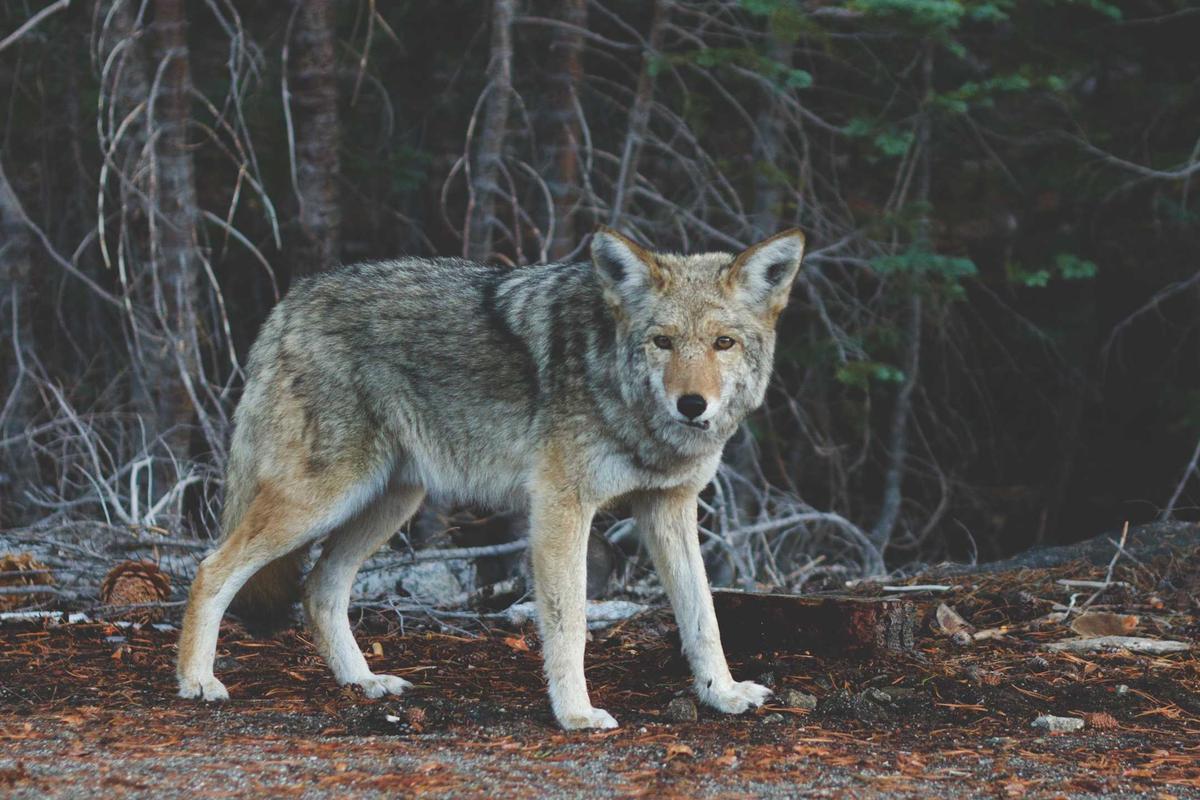
Now, imagine the scene at that Japanese steelworks. The bear, likely confused and hungry, has wandered from the surrounding forest. The worker, perhaps on his way to a shift, encounters it. The outcome is grim, but the reality is that this is a rare tragedy. In the UK, we would have installed fences, sensors, warning signs. We would have conducted risk assessments and written policies. The bear would be a theoretical threat, managed into non-existence. But in Japan, the bear remains a real possibility, an element of the wild that cannot be fully tamed.
This is not to romanticise danger. The loss of life is a tragedy. But it highlights a fundamental difference in how we view our place in the world. The UK's health and safety culture is a product of a particular social psychology: a desire to control, to predict, to eliminate uncertainty. It is a manifestation of our anxiety in the face of chaos. And it works. We have fewer bear attacks. But we also have a society that is increasingly brittle, unable to cope with the unexpected.
The human cost of our safety culture is not just in the time and money spent on compliance. It is in the erosion of our ability to handle the unforeseen. We have traded the risk of a bear attack for the risk of a system failure when the rules don't cover the situation. And as climate change brings more unpredictable weather, more wildlife encroachment, we might find that our carefully constructed safety net has holes we never anticipated.
So, when we say UK health and safety rules prevent such incidents, we are right. But the question is: what else do they prevent? And what do they allow? The answer is not simple, but it reveals a deep cultural truth: we are a nation that prefers the known risk to the unknown. We would rather have a hundred rules than a single surprise. And in that preference, we have defined our relationship with the world. The bear is a reminder that nature does not always obey our rules. And perhaps, in our quest for safety, we have lost something essential: the ability to face the wild, in all its forms, without flinching.