The continent is baking. Germany, Denmark and the Czech Republic have all clocked record-breaking temperatures this week, with thermometers in Berlin hitting 39.2°C, the highest since 1905. In Copenhagen, the mercury touched 33.6°C, a city record for May. And Prague sweltered at 35.1°C, beating the previous high by a full degree. These are not just numbers on a screen. They are the sound of systems cracking.
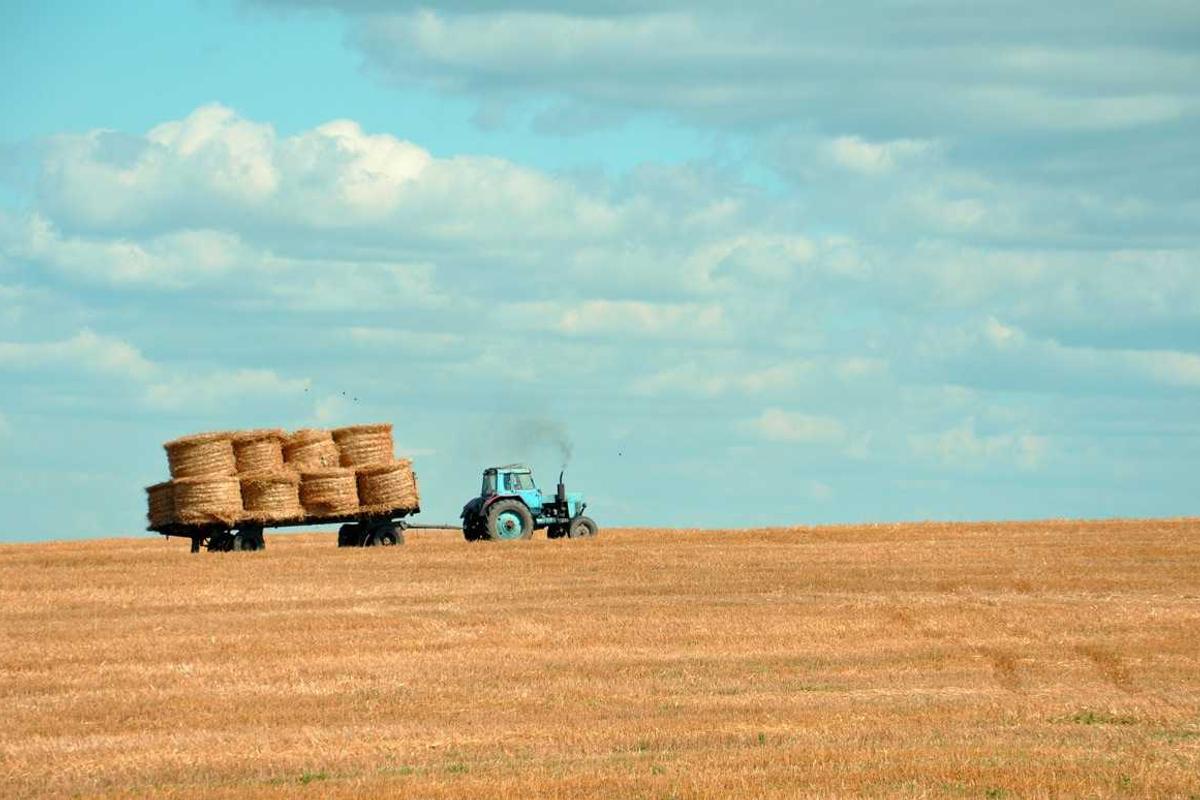
For the British public, the immediate reality is not the heat itself but its echo in the supply chain. Our ports are bracing for disruption. Crop exports from the continent are expected to fall sharply. The German wheat harvest, already stressed by a dry spring, is now scorched in the fields. Danish barley, a key ingredient for our whisky and beer, is wilting. And Czech hops, the backbone of many a British pint, are showing signs of stress. The price of a loaf, a pint, a sandwich will tell the story.
But the real human cost is quieter. In the villages of Saxony, farmers are staring at cracked earth. In the suburbs of Copenhagen, elderly residents are huddled in public libraries, the only cool places left. In Prague, children are kept indoors as the parks become heat traps. This is not a sudden disaster. It is a slow, grinding shift in the rhythm of life. The kind of change that sociologists will study for decades, the kind that rewrites the unwritten rules of how we live.
The cultural shift is already visible. The British, famously obsessed with the weather, are now obsessed with its consequences. The garden centre, once a place of leisurely weekend walks, is now a site of anxiety: which plants can survive this? The pub, our social heart, now faces a dilemma: serve warm beer or watch the ice machine break down. The seaside, a traditional escape, is becoming a hostile environment as heatstroke cases rise.
There is a class dimension, as always. Those with air conditioning, private pools, and the ability to work from a coastal cottage will weather this better. Those in cramped flats, reliant on public transport, and working in fields or warehouses will suffer more. The gap between the heat-proof and the heat-vulnerable is widening.
The weather forecasters say this is a once-in-a-century event. But the pattern suggests otherwise. These records are being broken with alarming frequency. The question is not whether we will adapt, but how fast, and at what cost to our sense of normalcy. As the crops wither and the ports adjust, the real story is not the heat itself. It is the quiet realisation that the world we built for ourselves is no longer fit for purpose.