There is something deeply unsettling about a plague of mice. It is not merely the damage they inflict, though that is catastrophic. It is the sense of being overwhelmed, of a creeping tide that turns the familiar into a nightmare. In Australia, the worst mouse plague in decades is spreading from rural New South Wales into the suburbs of Sydney, and with it comes a creeping dread that the balance has been tipped.
For months, farmers in the Riverina and other agricultural heartlands have been fighting a losing battle. Mice swarm through grain silos, chew through wiring, contaminate feed and spread disease. They gnaw at the very infrastructure of life. One farmer near Dubbo lost his entire winter crop in a single night. Another in Forbes found a nest of newborn mice in his toddler’s cot. These are the stories that break you.
But the plague is no longer a rural problem. In the past weeks, there have been reports of mice infesting homes in the outer suburbs of Sydney. A family in Penrith found mice in their walls, their pantry, their child’s toy box. The local council has been inundated with calls. The pest control companies are overwhelmed. There is a sense that the city’s defences are crumbling.
The psychological toll is immense. Farmers speak of a constant, grinding anxiety. The sound of scratching in the walls. The smell of decay. The knowledge that your livelihood is being eaten away by a relentless, faceless enemy. In the cities, it is more a question of disgust, of violated domestic space. But the common thread is a loss of control. The mice are a symbol of a system under strain.
Scientists point to a combination of factors: a wet year that provided abundant food, followed by a drought that concentrated the population. Climate change is almost certainly a part of the picture, creating the boom-and-bust cycles that favour such explosions. The government has authorised the use of a powerful poison, bromadiolone, but environmentalists warn of the impact on native wildlife and the food chain.
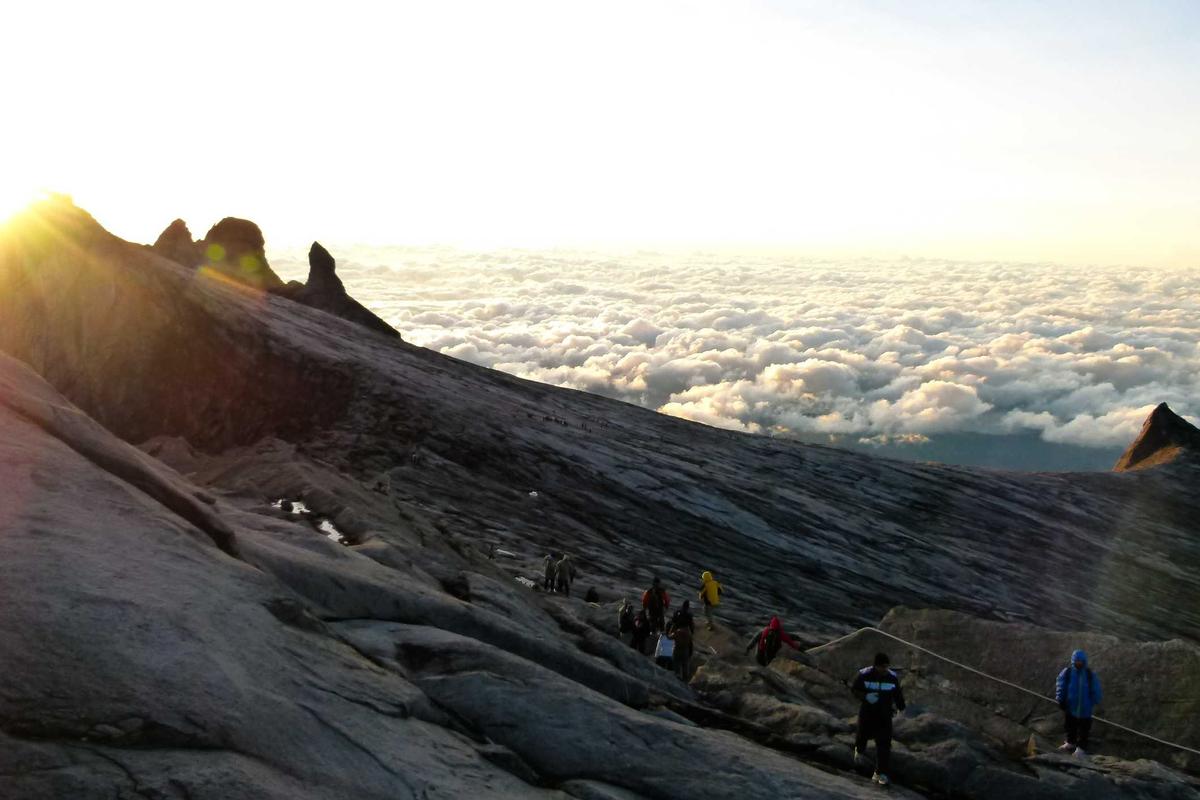
Yet the real story is not about policy or ecology. It is about the human cost. It is about the farmer who stands in his field at dawn, watching the sun rise over a landscape that is moving, seething with life. It is about the mother in the suburbs who cannot sleep because she can hear them in the walls. It is about the sense of helplessness that pervades a society that prides itself on mastery over nature.
There is also a cultural shift happening. The plague is forcing Australians to confront their relationship with the land. The myth of the resilient farmer, the battler who tames the outback, is giving way to a more fragile reality. The mice are not an external enemy; they are a symptom of a system out of balance. They are a reminder that we are not separate from nature, but part of it. And when nature turns on us, it does so with a quiet, relentless fury.
As I write this, the mice continue to breed. They are indifferent to our panic. They are simply doing what mice do. But we are doing what humans do: we are telling stories. We are trying to make sense of the chaos. And perhaps, in that telling, we find a sliver of hope. Because if we can name the plague, we can begin to imagine a way out. It may take years, and it will take a change in how we farm and how we live. But the alternative is to be overwhelmed. And that is not a story we are ready to write.