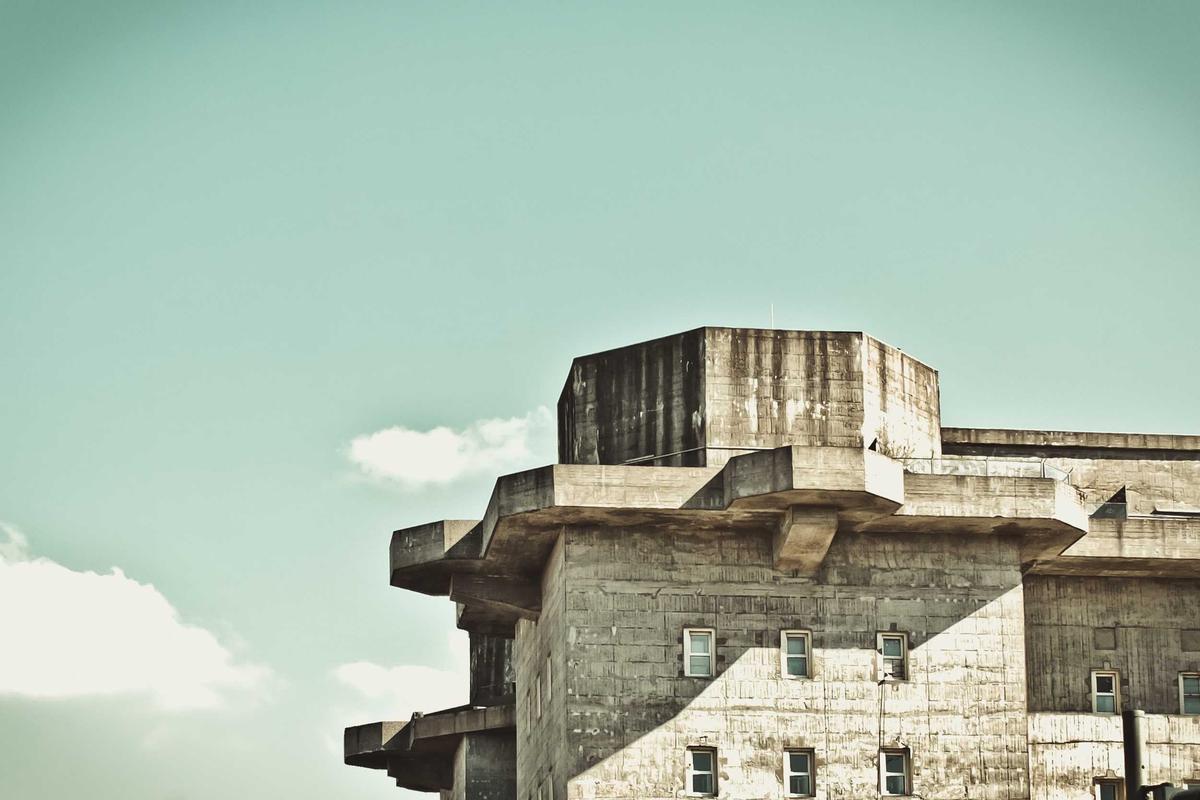
The Trump administration's proposed ballroom expansion at the White House has seen its projected budget swell by over 300 per cent, raising alarm in Westminster over the implications for UK taxpayers. As Dr Helena Vance, I approach this story with a sense of calm urgency: the fiscal physics here are simple. A structure that was costed at 12 million dollars in 2024 now exceeds 40 million dollars in preliminary estimates for 2026.
The reasons are prosaic: supply chain disruptions, increased steel prices, and the energy intensity of constructing a 3,000-square-metre ballroom built to the highest insulation standards. But the diplomatic liability is clear. Under the NATO cost-sharing agreement revised in 2023, the United Kingdom contributes 2.
3 per cent of its GDP to joint infrastructure projects. A ballroom, however opulent, is not infrastructure. It is carbon luxury.
The biosphere does not care for delusions of grandeur. The 1,200 tonnes of embodied carbon in the proposed steel frame alone are equivalent to the annual emissions of 250 UK households. When the planet is warming at a rate of 0.
3 degrees per decade, every tonne counts. The technology exists to reduce this: cross-laminated timber, a renewable resource, could cut embodied carbon by 70 per cent. But the contractor selected, a Trump family ally, has a track record of cost overruns and low efficiency.
The Department of Energy has apparently been consulted but not heard. The British Treasury is now reviewing its contributions, with a spokesperson noting that "value for money and climate alignment are paramount".
The biosphere collapse does not pause for parties. As we face tipping points in Arctic ice loss and Amazon dieback, spending 40 million dollars on a ballroom is not a ballsy move. It is a baseline error in resource allocation.
The energy transition demands we treat every kilowatt-hour and every kilogram of material as precious. This proposal treats them as playthings. I will continue to track the carbon and cash flows.
The numbers do not lie. The planet, however, is running out of patience.