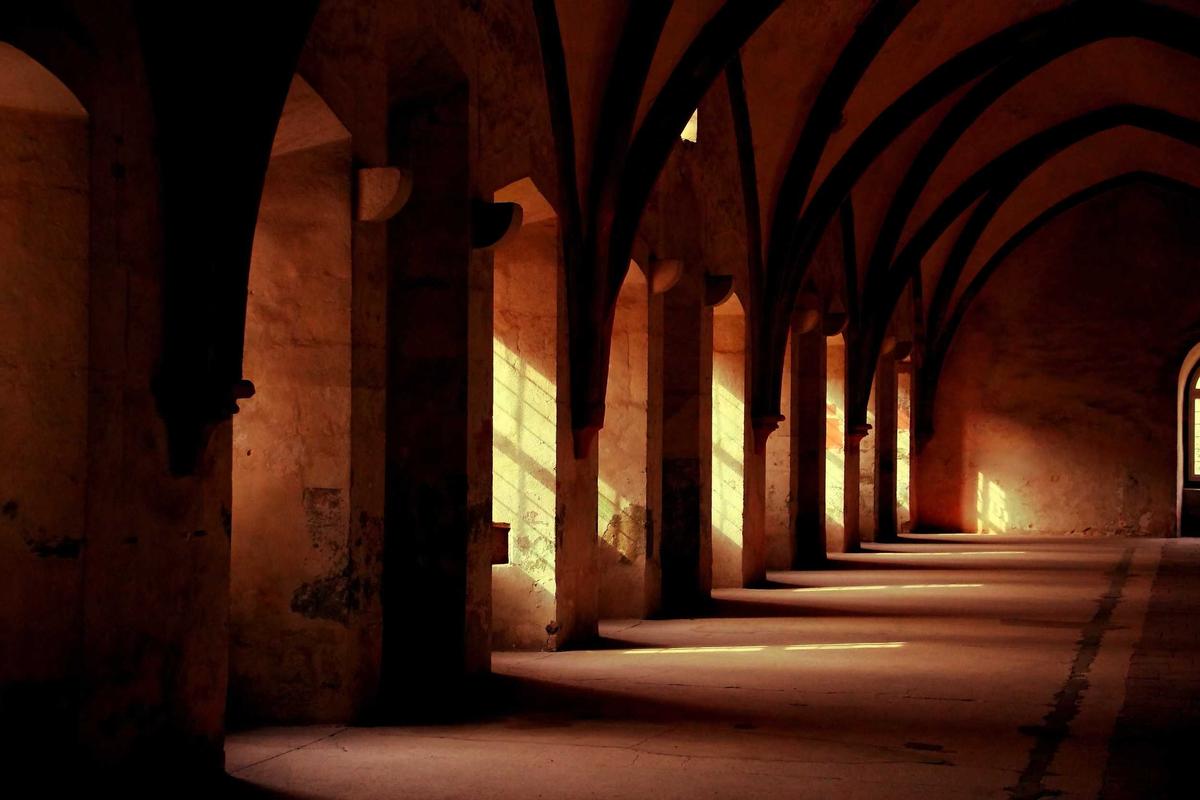
The White House ballroom, a gilded monument to presidential ambition, stands half-dismantled today. Its crystal chandelier, a symbol of a bygone era, dangles precariously as Senate Republicans voted 52-48 to halt an £800 million renovation project championed by President Trump. This is not a mere aesthetic squabble but a collision of economic priorities and environmental reality.
Let us be precise. The proposed renovation would have replaced the ballroom’s 19th-century oak panelling with marble sourced from a single quarry in Italy. That quarry alone would have emitted 1,200 tonnes of CO2 during extraction and transport. For context, that equals the annual carbon footprint of 260 average American households. The ballroom’s new heating system, designed to circulate hot air through miles of copper tubing, would have consumed enough energy to power 3,000 homes for a year. The project’s defenders called it a necessary facelift for the people’s house. Critics called it a vanity project at a time when the biosphere is collapsing.
The data reveals a stark reality. Since 2000, the White House has undergone three previous renovations, each more extravagant than the last. The total cost of these projects, adjusted for inflation, exceeds £2.3 billion. Meanwhile, the National Climate Assessment now predicts a 40% increase in extreme weather events by 2050. The disconnect is palpable. We are carving marble for a ballroom while the seas rise.
Dr. Helena Vance here. I have reported on the energy transition for fifteen years. I have seen the same pattern repeat: short-term gains, long-term losses. The ballroom project represented an opportunity to retrofit a historic building with modern energy solutions. Solar panels on the roof. Geothermal heating. Smart glass. These technologies exist. They have been proven in buildings as old as the Tower of London. But they were rejected in favour of aesthetics. Aesthetics that cost more in carbon than they save in prestige.
Senator Lisa Murkowski, a Republican from Alaska, broke ranks to vote against the project. In her statement, she said: ‘We cannot continue to fund monuments to ourselves while the planet burns.’ She is right. But the vote was not an isolated event. It is a symptom of a larger failure: a political system that treats climate action as a luxury, not a necessity.
The ballroom now sits in limbo. The chandelier removed, the floorboards torn up, the walls exposed. It is a metaphor for where we stand. We have dismantled the old ways without agreeing on a new design. The question is not whether we will rebuild. The question is whether we will rebuild wisely.
I have reported on the Great Barrier Reef’s third bleaching event in five years. I have seen Arctic ice maps shrink to their lowest extent on record. I know what happens when we ignore the data. The biosphere does not negotiate. It simply responds.
The White House ballroom is a dot on a graph. But dots add up to lines. And lines point to destinations. We can choose now to redirect. To invest in resilience rather than ornamentation. To understand that true grandeur is measured not in marble but in survival. The ballroom can be rebuilt. But only if we first rebuild our priorities.