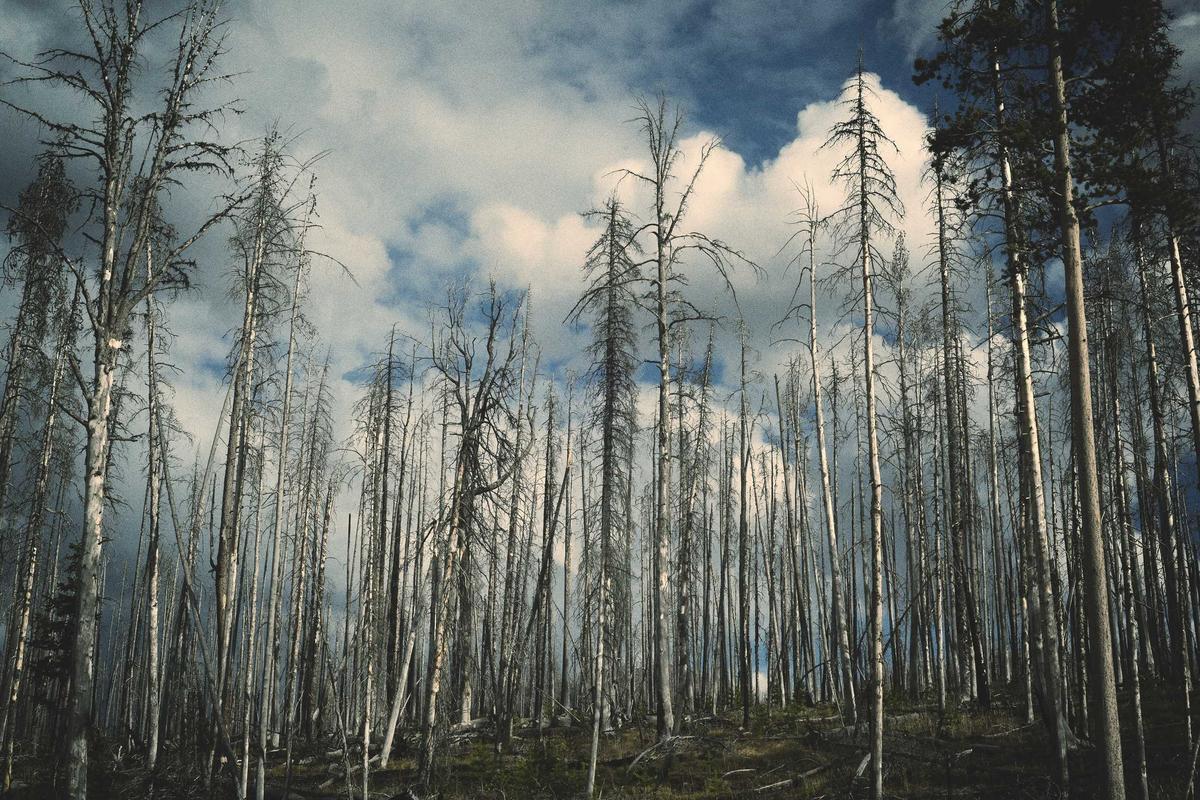
A wildfire survivor has turned personal tragedy into a strategic asset, engineering a network of fire-proof bunkers that could redefine civilian protection in an era of escalating climate threats. The bunker system, developed in collaboration with British engineering firms, employs thermal shielding, independent air filtration, and reinforced composite materials capable of withstanding extreme heat events. This is not merely a story of survival.
It is a threat vector analysis of infrastructure fragility and the imperative for hardened assets. The system operates on a distributed model, mitigating single-point failures common in centralized shelters. Key logistics: each bunker supports up to 20 occupants for 72 hours, with modular expansion capacity.
Intelligence gaps remain in public adoption rates and government integration. However, this initiative signals a strategic pivot from reactive emergency services to proactive defensive infrastructure. The British engineering sector demonstrates leadership, but the chess move is clear: hostile state actors and non-state groups may exploit climate disasters for asymmetric warfare, as seen in the weaponisation of environmental events.
Cyber vulnerabilities in bunker control systems must be addressed, as any IoT integration creates a kill chain for denial-of-service attacks. Military readiness now demands parallel investment in civilian protective architecture. The question remains: will governments treat this as a niche solution or a national security priority?