A British diplomatic source has confirmed the death of a staff member in Yemen, identified only by the callsign ‘Spider-Man’, following a fall into a volcanic crater. This incident is not merely a tragic accident; it is a threat vector that exposes the operational environment in which our diplomats operate. Yemen remains a high-risk theatre, with Houthi-aligned actors and ungoverned spaces creating conditions where even routine movement becomes a strategic liability.
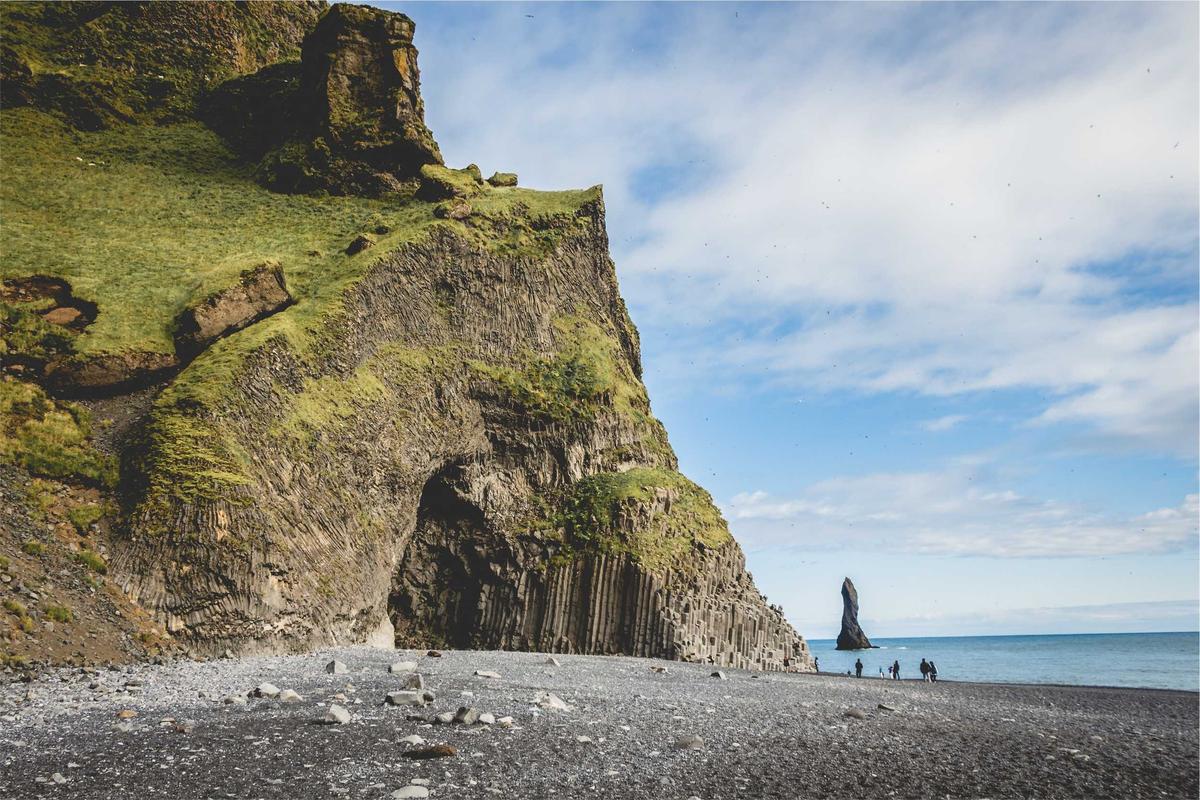
The crater, located in the Shibam Kawkaban region, is part of an active volcanic field. The terrain, combined with limited infrastructure and potential surveillance by hostile state actors, turns every foot patrol into a calculated risk. The loss of ‘Spider-Man’ represents a degradation of our on-ground intelligence capability. Diplomatic personnel in such zones often serve as forward observers, collecting SIGINT and HUMINT. Their removal, whether by enemy action or misfortune, creates a gap in our information warfare posture.
This incident follows a pattern of increasing accidents among Western personnel in unstable regions. Is this a coincidence? Or are we seeing the effects of degraded force protection due to budget cuts and overstretched logistics? The MoD must conduct a full strategic review of diplomatic security protocols in volatile theatres. The crater fall itself demands forensic analysis: was it a slip, a cover-up for an IED, or a targeted push? The absence of immediate investigation by local authorities suggests either complicity or incapacity, both of which are concerning.
From a hardware perspective, the reliance on local guides and non-armoured vehicles in such terrain is a failure of risk management. We should be deploying drones for route reconnaissance and providing personnel with satellite-based geospatial awareness tools. The technology exists; the will to implement it appears lacking.
Intelligence failures compound the tragedy. If ‘Spider-Man’ was operating without a tactical tracker or emergency beacon, that is a systemic failure. If he had one and it failed, we have a supply chain integrity problem. The diplomatic service must recall all personnel from high-risk areas for retraining in terrain hazard identification and emergency response. Furthermore, we need a full attribution review: was the Houthi intelligence apparatus aware of his movements? Could this be a precursor to a larger operation against British interests?
The loss of a single asset in a peripheral theatre can signal global weakness. Our adversaries monitor such incidents for patterns. A lack of transparent response will be interpreted as our inability to protect our people. The Foreign Office must immediately declassify the basic facts of the incident while protecting operational security. Anything less is a strategic error.
This is not a time for mourning alone. It is a time for cold, hard analysis. The death of ‘Spider-Man’ is a symptom of a broader malaise in our overseas contingency planning. We must fix the system before more lives are lost to avoidable terrain, preventable falls, and correctable intelligence gaps.