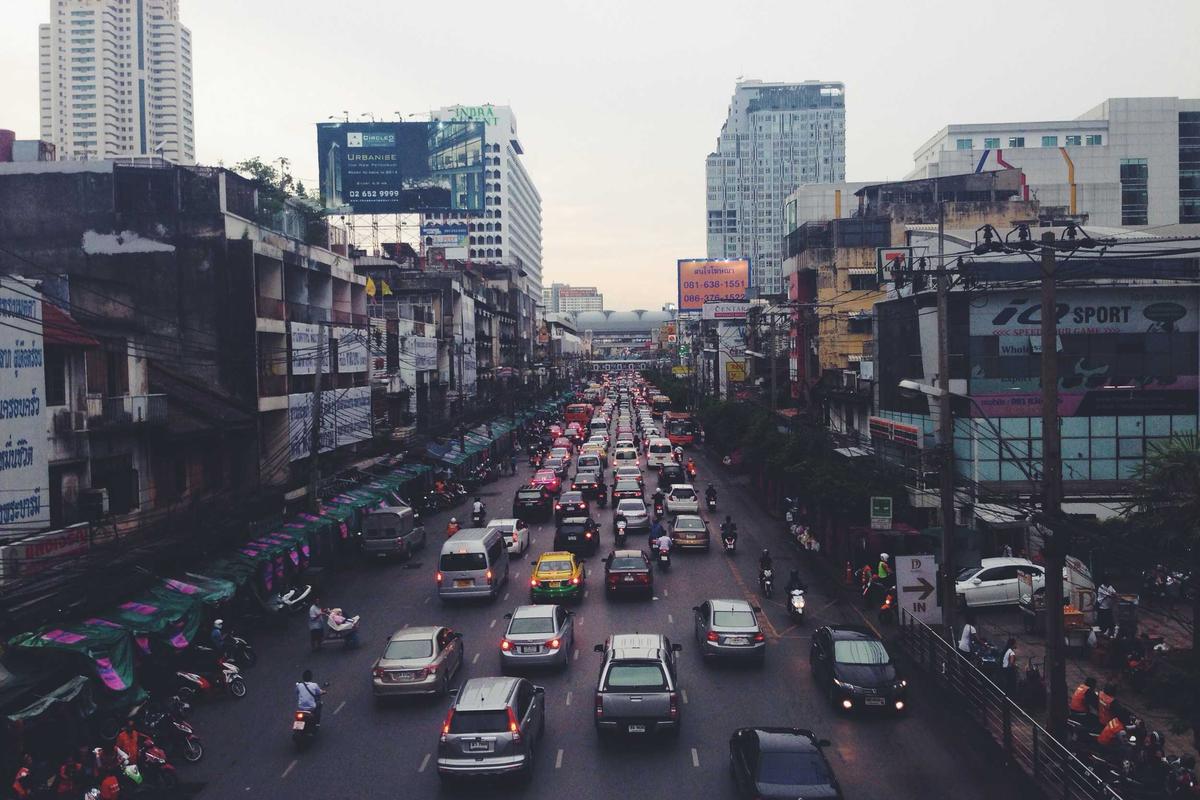
For the residents of Havana’s high-rises, the daily blackouts are not an inconvenience. They are a rolling default on the most basic utility. As a financial editor, I see this not as an infrastructure failure but as a sovereign solvency crisis.
The grid’s collapse mirrors the Cuban economy’s structural insolvency. When a state cannot guarantee power, it signals a failure of fiscal management akin to a government running out of cash. The uncertainty for residents is the human cost of decades of economic mismanagement and the tightening grip of sanctions.
The market’s verdict is clear: Cuba’s risk premium has soared. Capital flight, where possible, is the rational response. The government’s response of rolling cuts is a form of austerity, but one that punishes the populace rather than bondholders.
The only sustainable solution is a deep restructuring of the economy, but that requires political courage the regime has historically lacked. Until then, these blackouts will remain a tragic consequence of an economy living beyond its means.