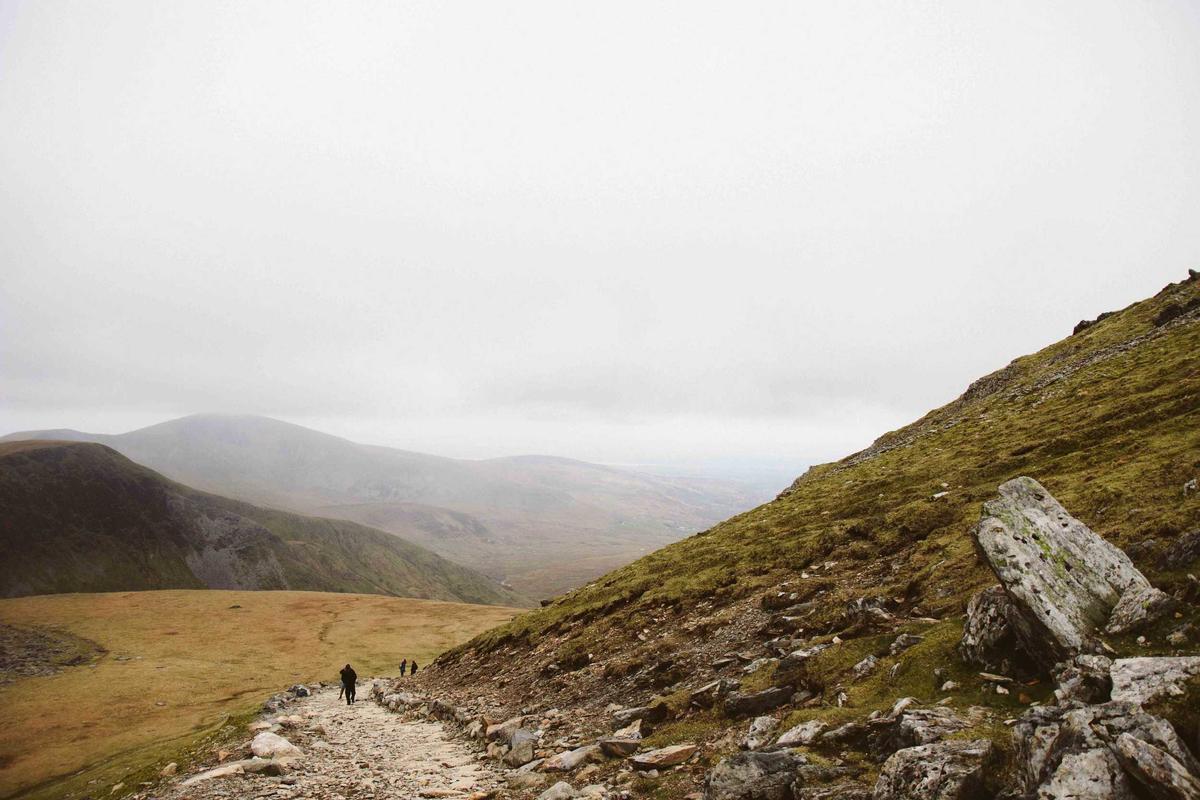
In a meticulously coordinated operation that underscores the shifting dynamics of asymmetric warfare, Nigerian security forces have liberated multiple hundreds of individuals from a Boko Haram stronghold nestled deep within the Sambisa Forest mountain range. This is not merely a tactical victory. It represents a critical inflection point in the fight against digital-age insurgency where terror networks exploit both terrain and technology.
The raid, which unfolded over a 48-hour window, targeted what intelligence reports described as a primary logistics hub and detention centre. Survivors, many of whom had been held for years, were discovered in a state of severe deprivation. Among them were women and children, some bearing the psychological scars of forced indoctrination and servitude.
From a strategic perspective, this operation mirrors the kind of high-risk, high-precision engagements we associate with counter-terrorism in more technologically advanced theatres. Yet here, the challenge is compounded by the environment: the Sambisa Forest is a sprawling, semi-arid region that has historically been a sanctuary for insurgents. The military employed a combination of ground troops, air support, and signals intelligence to avoid the pitfalls of previous failed missions. Drones, likely of Chinese or Israeli origin, provided persistent surveillance, while local informants offered the granular human intelligence that machines alone cannot supply.
But we must ask the uncomfortable question: why now? The timing of this raid is conspicuous. It comes amid increasing political pressure on the administration of President Bola Tinubu to demonstrate tangible progress against insecurity. The narrative of 'liberation' is potent, yet the underlying digital metadata suggests a broader recalibration. Boko Haram's lifecycle has evolved from a conventional insurgency into a distributed network of cells, some of which now engage in crypto-ransomware and illicit mining operations to fund their activities. This raid may have uncovered a key node in that digital supply chain.
The freed captives present a logistical and humanitarian challenge. Reintegration into society for individuals who have been traumatised for years is not a simple off-switch. We have seen similar patterns in other conflict zones: the psychological toll is often amplified by the very tools of modern warfare. For example, survivors may have been subjected to recorded propaganda broadcasts, or even used inadvertently as actors in online recruitment videos. This creates a peculiar form of digital stigma that complicates their return to normalcy.
The operation also raises questions about data sovereignty. In an age where militants use encrypted messaging apps and offline darknets, how did intelligence agencies pinpoint this hideout? Cellular triangulation? Intercepted communications? Or perhaps the use of predictive analytics that model insurgent behaviour based on historical raid patterns? If the latter, we are witnessing a new frontier where algorithms decide when and where to strike, with all the ethical quandaries that entails.
There is also the matter of geopolitical optics. The United States has recently ramped up its advisory presence in the region, offering not just hardware but also training in information warfare. This raid could be a showcase for that partnership, demonstrating that Western-backed strategies can yield results. However, we must be cautious about expecting a linear narrative of victory. Insurgencies are adaptive organisms. They learn, they mutate, they find new hosts. For every captives freed, there is a risk of retaliation and a cycle of violence that technology alone cannot break.
For the immediate future, the priority must be the welfare of the survivors and the systematic dismantling of the remaining logistics networks. But for those of us observing from the sidelines, this raid is a reminder that the war against Boko Haram is as much about bits and bytes as it is about boots on the ground. The user experience of society in Nigeria's northeast remains one of persistent vulnerability. And until we address the digital chasms that allow terror to operate in plain sight, these mountain hideouts will continue to be rebuilt, albeit in different forms.
As I type this, reports are already emerging that some insurgents escaped with mobile devices and satellite phones. The hunt continues. So does the narrative battle. The freed captives are now free to tell their stories, but who will curate them, and to what end? That is the next front in this forever war.