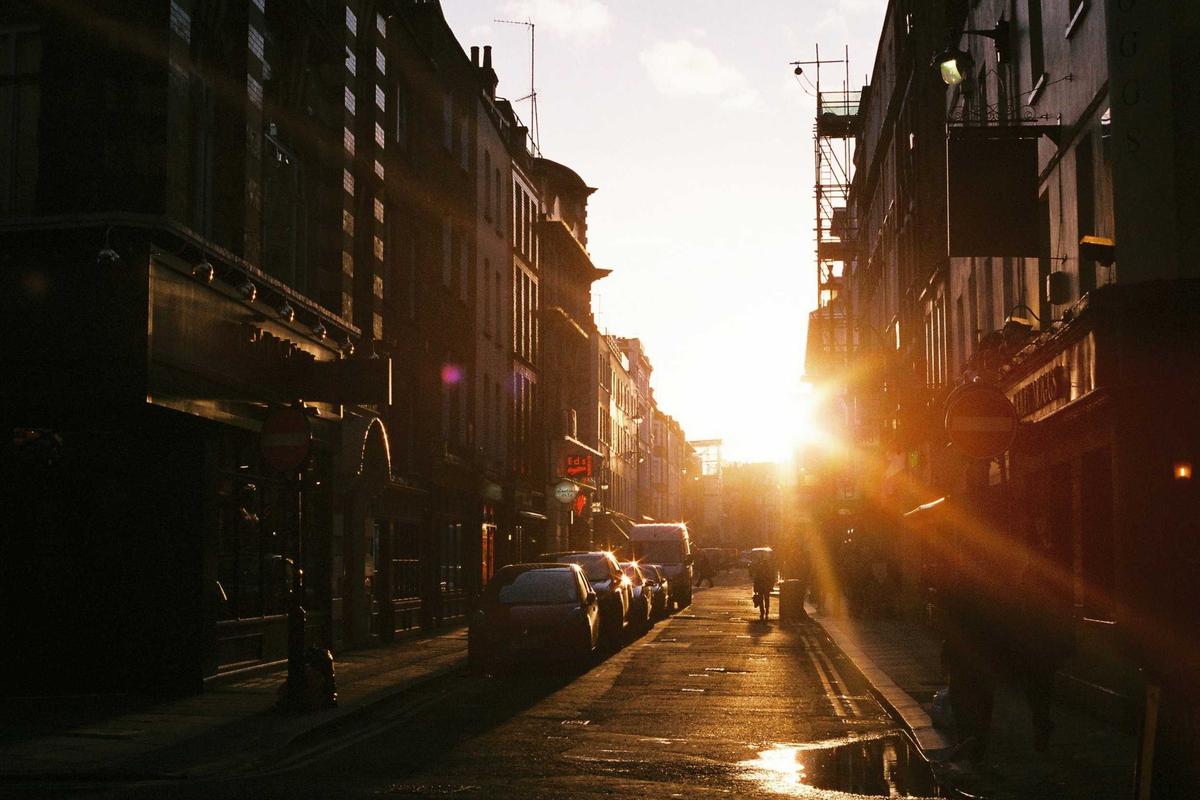
The champagne-soaked delirium of Paris Saint-Germain's Champions League triumph has given way to a more sobering reality in the French capital. Sources on the ground confirm that what began as a street party has fractured into pockets of tension, with police kettling crowds near the Champs-Élysées and reports of smashed windows in the Marais. This is not a drill. The Foreign Office has quietly updated its travel advice for France, warning British nationals to "exercise caution in public places" and avoid large gatherings. That language is diplomatic code for: stay out of the crosshairs.
We've seen this playbook before. Every major sporting event becomes a magnet for provocateurs. The victory itself was clean, but the aftermath is anything but. Unverified footage circulating shows scuffles between rival fan groups and what appear to be organised agitators. The police prefecture has deployed over 5,000 officers, but that number feels thin when you walk the boulevards. The mood is volatile. One pub owner near Place de la République told me: "They came to celebrate, now they're looking for a fight."
Here's what the official advice won't tell you. The UK's warning is not just about football hooliganism. It is a response to a broader assessment: the risk of random violence across European capitals has not receded. Intelligence briefings suggest that lone actors and small cells see crowded celebrations as soft targets. The Foreign Office is not in the business of causing panic. When they issue a statement like this, it is because they have hard data. Sources inside Whitehall confirm that the decision was taken after a cross-departmental meeting this morning. The message: don't be complacent.
The Parisian authorities are walking a tightrope. They want the city to bask in the glory of PSG's win, but they cannot afford another night of chaos. The memory of the 2022 Champions League final fiasco is still raw. That night, fans were tear-gassed, turnstiles collapsed, and the world watched a city lose control. This time, the prefecture has promised "zero tolerance" for violence. But promises don't stop a bottle from flying.
For British travellers in Paris, the situation is unnervingly familiar. The advice is to register with the Embassy, avoid public transport hubs after midnight, and keep your phone charged. But the real risk is not getting caught in a police charge. It is being in the wrong place when a celebration curdles. One British student studying at Sciences Po told me: "We were on the metro and a group started chanting. Then someone threw a flare. Everyone panicked."
The larger question is what this says about Europe's summer of events. From the Euros to the Olympics, every fixture is now a security operation. The PSG victory should have been a moment of unity. Instead, it exposes the fragile seams of public safety. The UK's advice is a tacit admission that the continent is not as stable as the tourist brochures claim.
This is developing. We are tracking police communications, hospital admissions, and the Foreign Office's next update. For now, the word from London is clear: stay sharp. The party might be over before the last song ends.