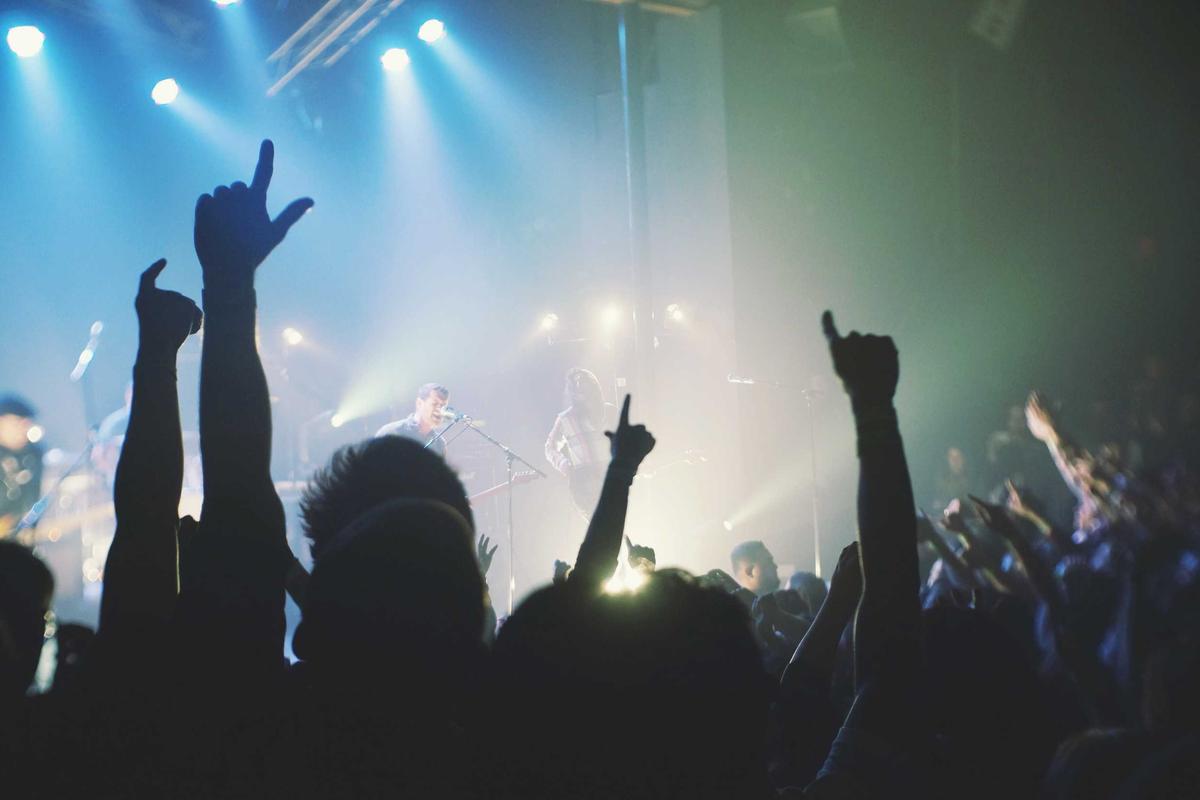
The news arrived like a held breath finally released: DR Congo has banned mass gatherings as Ebola cases edge towards Kinshasa, a city of 17 million souls where the virus has never before held sway. For those of us who watch the human currents of a metropolis, this is not just a public health measure. It is a cultural earthquake. The bustling markets where traders hawk vegetables and second-hand clothes, the packed churches where hymns rise like incense, the football stadiums where strangers become brothers for ninety minutes – all are now suspended in a strange, fearful quiet. And at the heart of this unfolding drama lies an accelerated vaccine programme funded by UK aid, a quiet, scientific counterpoint to the chaos.
Let me tell you about Kinshasa’s spirit. It is a city that thrives on proximity, on the shared heat of bodies in a minibus, on the laughter that spills from street-side bars into the night. The ban on gatherings is a direct assault on this social DNA. I spoke to Marie, a market seller in the vast central market of Zando, who told me: “What are we without each other? We have nothing. The virus takes our health; the ban takes our life.” Her words echo a deeper truth: in a city where the state has often been absent, community has been the only safety net. Now, even that net is being cut.
But there is a counter-narrative unfolding in the gleaming, air-conditioned corridors of the National Institute for Biomedical Research. Here, British scientists and Congolese doctors are working side by side, injecting vials of hope into the arms of frontline workers. The UK-funded vaccine programme, developed during the West African Ebola outbreak, has been fast-tracked to Kinshasa. It is a remarkable feat of global cooperation. Yet, it exposes a painful divide. The vaccine is a Western solution to a distinctly African crisis, a reminder that the continent’s health systems remain fragile. As one nurse told me, “We are grateful, but we wonder: why must we always wait for the cure to come from outside?”
The ban on mass gatherings is a necessary evil, a digital-age version of the old quarantine. But it is also a lesson in social psychology. Humans need ritual, need the touching of hands, the shared song. In the vacuum left by cancelled weddings and funerals, we see a rise in online prayer groups, a WhatsApp-led reinvention of community. The cultural shift is subtle but profound: a move from the physical to the virtual, from the collective to the isolated. It is a microcosm of what happens when a society is forced to contract.
Yet, there is a glimmer of resilience. In the bars, the owners have started delivering bottles of beer to homes, a makeshift economy born of necessity. In the churches, pastors broadcast sermons on radio. The social fabric is fraying, but it is not torn. The true test will come when the vaccine arrives in sufficient quantities to protect the millions. Will the same communities that have endured war and corruption embrace a foreign cure? Or will suspicion and misinformation, the twin plagues of any outbreak, take hold?
This is not just a story about a virus. It is a story about trust, about the fragile dance between a people and their government, between a continent and its former colonisers. As the world watches Kinshasa, we are forced to ask: what do we owe each other? And how do we build a new social order when the old one has been declared unsafe? The answer, I suspect, will be written not in Whitehall or the WHO, but in the quiet moments of a family getting a jab, in the renewed handshake of a recovered patient. That is the human cost, and the human hope.