A man is dead off Western Australia, taken by a shark. The news arrives with all the usual gravity: urgent coastal warnings, beach closures, authorities expressing sympathy. But let us pause before we join the chorus of laments and ask what this death really signifies.
It is not merely a tragedy; it is a symptom. It is the latest entry in a ledger of hubris that stretches from the fall of Rome to the closing of the Victorian frontier. We have colonised the coastline, built our holiday homes, and then we act surprised when nature reminds us of its dominion.
This is not an accident in a vacuum. It is a product of our age: a time of intellectual decadence where we believe we have conquered all, where every shark attack is a freak event and not a natural consequence. The ocean does not care for our safety net.
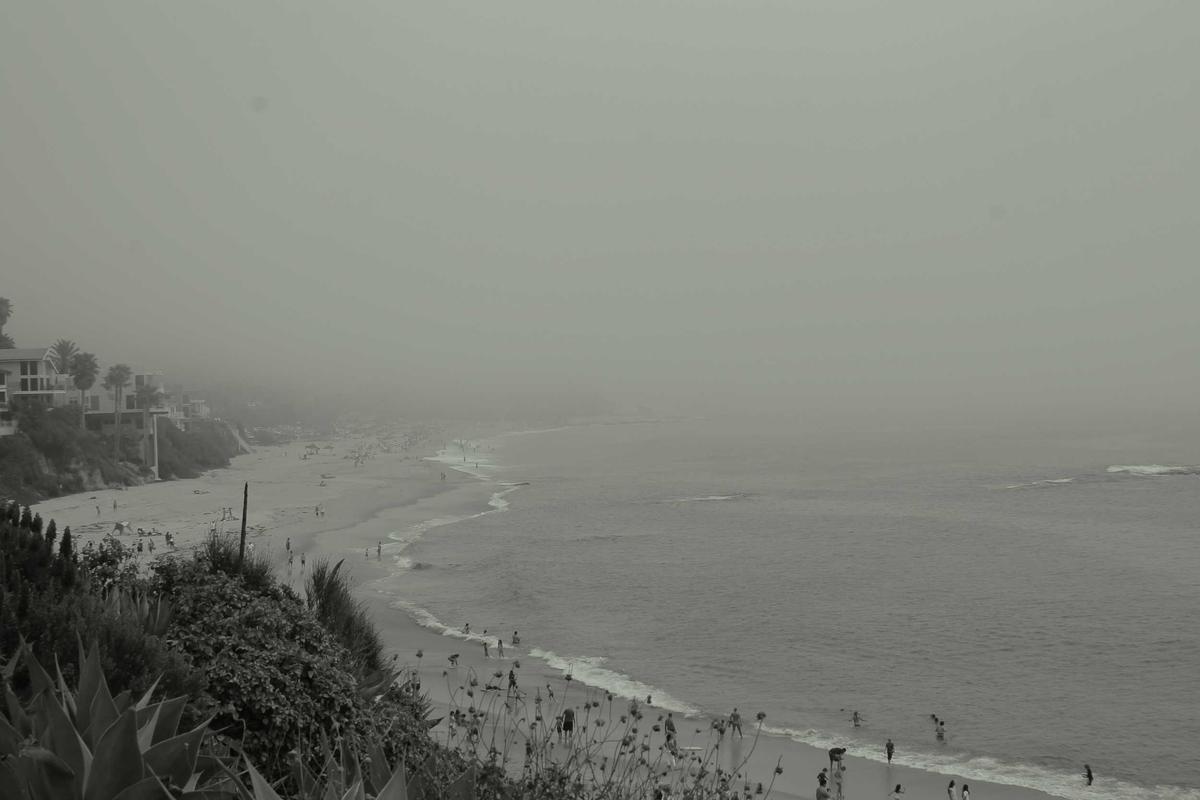
It does not respect our desire for selfies and surf sessions. As the Roman Empire spread to the edges of the known world, so too have we spread to the margins of the continent, filling our beaches with pale bodies and expecting the wild to retreat. But the wild does not retreat.
It takes. And each time it does, we wring our hands without changing our ways. The question is not why the shark attacked.
The question is why we continue to swim. For that is the true malady of our time: a collective refusal to accept that some waters are not meant for us. The authorities will issue warnings.
The media will generate cycles of grief and calls for culls. But until we understand that this is not a failure of nature but a failure of our own ambition, we will remain prisoners of our own expansion. And that, dear reader, is the real tragedy.