The rescue of hundreds of captives from a Boko Haram mountain stronghold in northeastern Nigeria marks a rare tactical victory in a conflict that has displaced millions. Nigerian military forces, supported by air strikes, breached the Sambisa Forest enclave, freeing 338 captives, predominantly women and children. The operation, which began on Tuesday, is one of the largest successful hostage liberations in the region's decade-long insurgency.
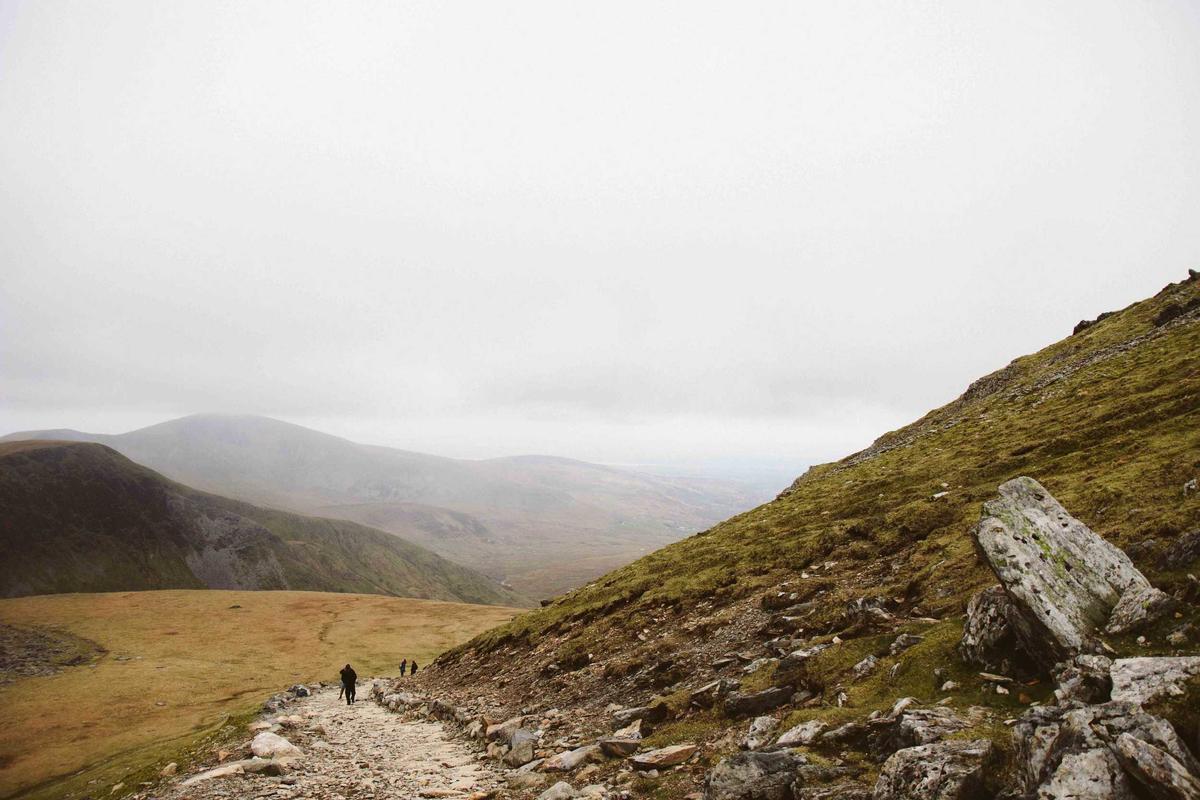
To understand the significance of this event, one must consider the physical and geopolitical landscape. The Sambisa Forest, a 60,000 square kilometre stretch of dense woodland and rocky escarpments, has been a stubborn redoubt for Boko Haram factions since 2013. Its terrain serves as a natural fortress, with caves and hidden camps allowing militants to evade ground patrols. The liberation required precise intelligence and coordinated mechanised infantry, a testament to improved Nigerian special forces capabilities, likely bolstered by foreign training and surveillance assets.
The 338 freed individuals join nearly 1.7 million internally displaced persons housing in squalid camps across the Lake Chad Basin. While any liberation is cause for measured optimism, it does not alter the thermodynamic reality of the region: the climate crisis is amplifying resource scarcity and driving recruitment. The Lake Chad Basin, a critical water source, has shrunk by 90% since the 1960s due to reduced rainfall and increased irrigation. This hydrological collapse has devastated fishing and farming livelihoods. In a system where survival depends on accessible water, desiccation creates a vacuum that militant groups exploit, offering food and security in exchange for allegiance. The freed captives return to a landscape where the very conditions that breed insurgency remain unaddressed.
The long term trajectory of this insurgency will hinge on whether kinetic operations are matched by climate resilient development. Reseeding the Lake Chad Basin through inter basin water transfers, as proposed by the Lake Chad Basin Commission, is a generational project requiring billions in investment. Without such infrastructure, recaptured territory remains vulnerable to reoccupation. The war is as much against entropy as against ideology.
For the freed, the psychological and physical toll is immense. Many bear signs of malnutrition and trauma. Reintegration into communities that fear stigmatisation of former captives presents another layer of difficulty. The Nigerian government's capacity to provide psychosocial support is limited by competing demands on a strained budget. The risk of recapture or re recruitment remains high if basic needs are unmet.
This operation demonstrates that conventional military pressure can dislodge entrenched forces. But victory in this conflict requires not just clearing the forest but ensuring those freed have a habitable ecosystem to return to. The planet is heating. The Lake Chad Basin is drying. The war will not end until we address the physics of scarcity.