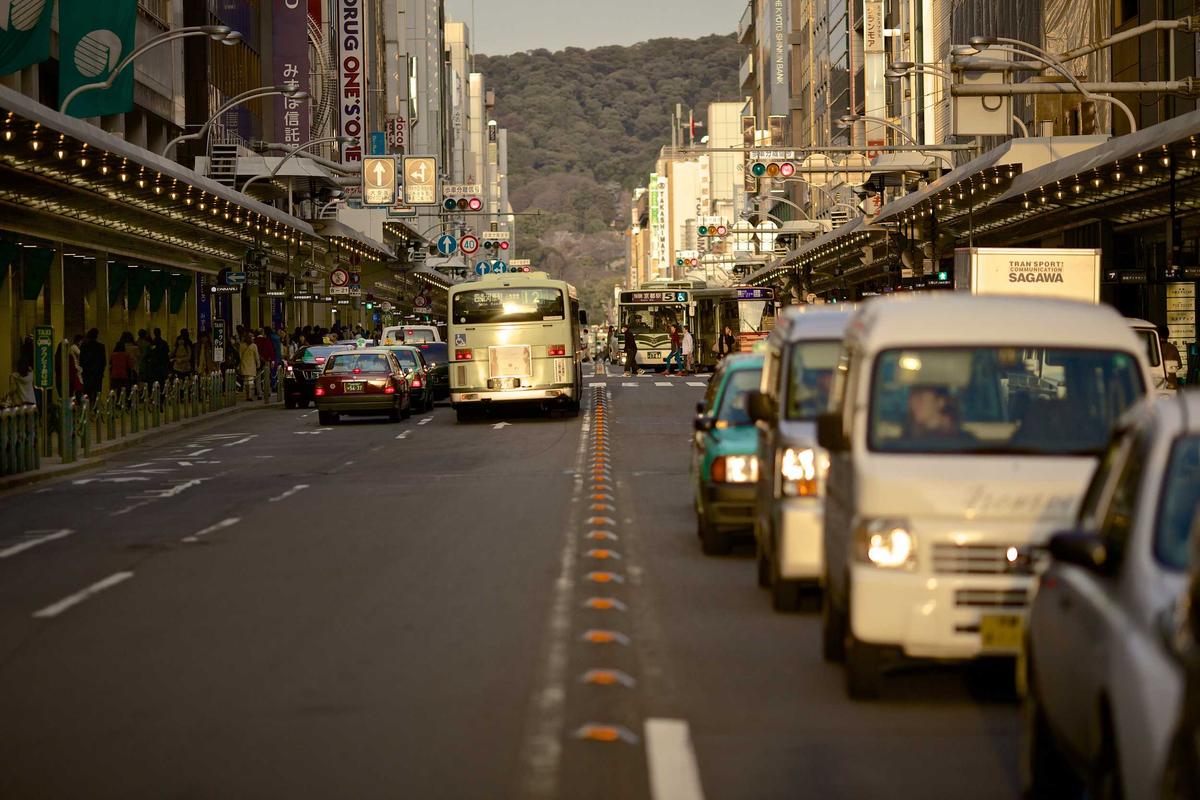
A record-breaking heatwave has entrenched itself across northern India, with temperatures in Delhi and surrounding states reaching 47 degrees Celsius. This extreme weather event has forced the collapse of normal daily function: schools are shut, construction work halts by midday, and hospitals report a surge in heatstroke cases. The Indian Meteorological Department has issued a red alert for several states, warning that the heatwave will persist for at least another week.
Dr. Arjun Mehta, a climate scientist at the Indian Institute of Technology, described the situation as unprecedented in its duration and intensity. “We are seeing a sustained period of heat that pushes the limits of human tolerance,” he said. “This is not a freak event. This is what climate change looks like in the subtropics.”
The immediate human toll is visible. In the past 48 hours, over 200 deaths have been linked to the heat, with the most vulnerable groups being outdoor labourers and the elderly. Power grids are strained as air conditioning demand peaks, leading to rolling blackouts. Water shortages are acute, with tanker supplies prioritised for hospitals.
British climate adaptation experts are now sounding an international alarm. Dr. Helena Vance, a physicist and climate correspondent, notes: “What we are seeing in India is a stress test for global resilience. If a nation with significant resources and infrastructure struggles to cope, it raises profound questions for less prepared regions.” The UK’s Adaptation and Resilience Group has released a statement warning that such events will become more frequent and severe without rapid decarbonisation and investment in heat-resilient infrastructure.
The data is stark. Global average temperatures have risen approximately 1.2 degrees Celsius since pre-industrial levels. However, land areas are warming faster, and the urban heat island effect amplifies extremes. In Delhi, the combination of asphalt surfaces, dense construction, and waste heat from air conditioning units can add two to three degrees to local readings.
Dr. Vance draws an analogy: “Think of the Earth’s climate as a finely tuned engine. We have been running it without proper cooling. Each additional degree of global warming is like increasing the rev limit. Eventually, components fail. India’s heatwave is a failed bearing.”
The implications extend beyond India. Global food supplies are at risk due to wheat and rice crop stresses; international markets are already pricing in potential shortages. Moreover, the heatwave exemplifies a broader pattern: climate impacts are not isolated. They cascade through energy, water, health, and economic systems.
There are technological solutions, but they require scale and political will. Cool roofs, reflective surfaces, and extensive tree planting can lower urban temperatures. Early warning systems and public cooling centres save lives. Yet, as Dr. Vance points out, “Adaptation is not a substitute for mitigation. While we retrofit our cities for heat, we must also stop burning fossil fuels. The window for action is closing.”
The Indian government has pledged to update its heat action plans and increase renewable energy capacity. But the immediate priority is survival. For the millions enduring 47-degree days, the crisis is not a future projection. It is the oppressive, suffocating present.
The global community watches. This is not a distant catastrophe. It is a preview of what awaits without systemic change. The physics is unambiguous, as is the urgency.