A nascent industry built around India’s ‘blue gold’ – the prized butterfly pea flower – is attracting interest from British investors and trade officials. A UK trade mission arrived in New Delhi this week to explore partnerships in what could become a significant export sector for India, tapping into the global demand for natural colourings and functional beverages.
The butterfly pea flower, known locally as aparajita or Clitoria ternatea, has been used for centuries in Ayurvedic medicine and as a natural dye. Its vivid blue hue, which shifts to purple or pink when mixed with citrus, has now become the base for a new category of drinks: herbal teas, cocktails, and health tonics marketed for their antioxidant properties and caffeine-free composition.
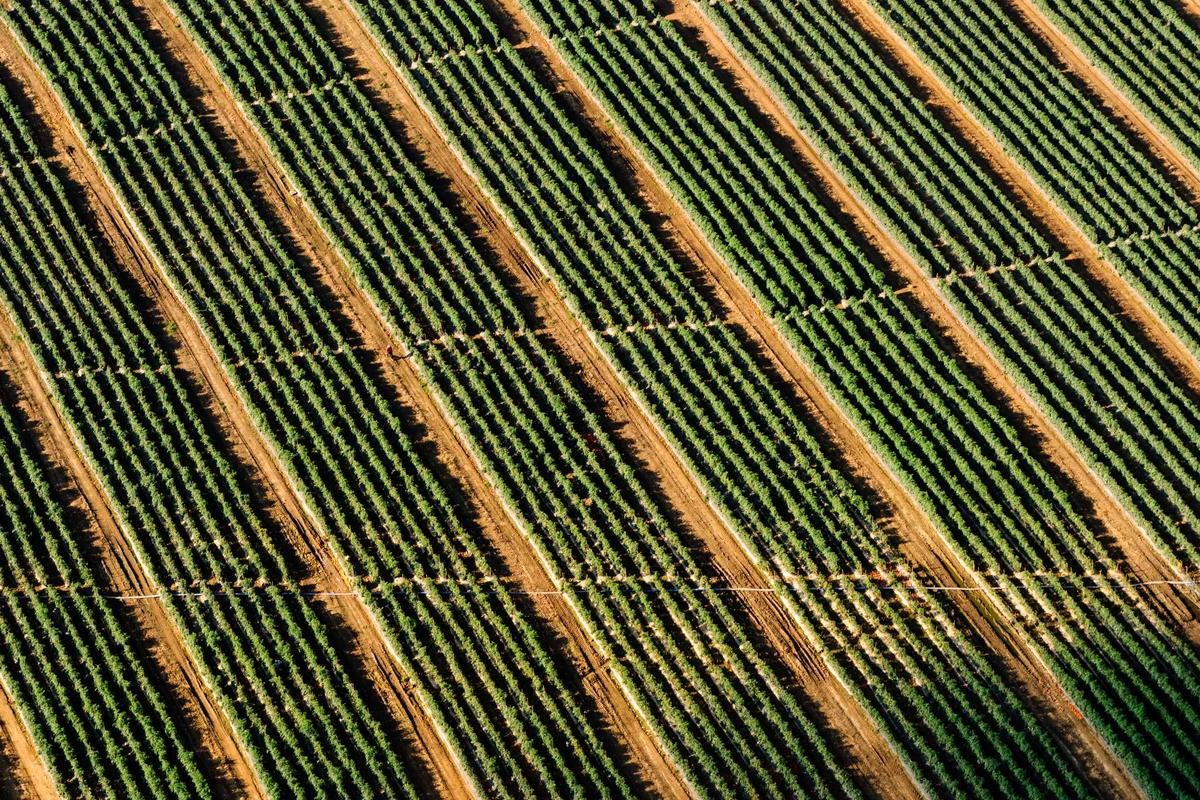
India is the world’s largest producer of the flower, with cultivation concentrated in the states of Kerala, Tamil Nadu, and West Bengal. Until recently, most of the harvest was used for domestic consumption or exported as dried herbs to Southeast Asia. But a surge in global interest in natural food colourings – driven by consumer aversion to synthetic additives – has opened a new commercial avenue.
“The potential is huge,” said Rajesh Mehta, founder of Blue Petal, a Mumbai-based startup that launched a line of butterfly pea flower drinks in 2023. “We are seeing orders from Europe, the Middle East, and Japan. The UK market is particularly promising because of its strong tea culture and demand for natural ingredients.”
The UK trade mission, led by the Department for Business and Trade, includes representatives from major beverage companies, specialty tea importers, and food science researchers. They are scheduled to visit farms in Kerala and processing units in Gujarat to assess quality, scalability, and supply chain logistics.
“This aligns perfectly with the UK’s push for sustainable and ethical sourcing,” said Alistair Finch, the trade commissioner for South Asia. “India’s blue gold could become a staple in British health food stores and cocktail bars. We are looking at certification standards and trade agreements that would facilitate imports.”
The industry is still in its early stages. Most producers are small-scale farmers or cooperatives lacking the capital for modern processing equipment. There is no formal grading system for the flower, and export volumes remain modest – estimated at less than 500 tonnes in 2024. But the trajectory is upward. The global butterfly pea flower market was valued at $85 million in 2023 and is projected to grow at 12 percent annually through 2030, according to a report by AgriForesight.
Challenges remain. The flower is highly perishable and must be dried within hours of harvesting to preserve its colour. Climate change poses risks to yields, and competition from other natural colourants like spirulina is intensifying. Moreover, regulatory hurdles in the European Union regarding novel foods could slow market access.
Nevertheless, the UK mission signals a strategic convergence. Britain, post-Brexit, is seeking diversified trade ties with Commonwealth nations. India, under its ‘Make in India’ initiative, is promoting value-added agricultural exports. The butterfly pea flower offers a low-entry, high-value product that benefits both agendas.
“This is not just about a drink,” said Finch. “It is about building a new supply chain, supporting rural livelihoods in India, and giving British consumers a product that is both healthy and visually stunning.”
The mission will conclude with a memorandum of understanding between the UK’s Food and Drink Federation and the Indian Ministry of Food Processing Industries, setting the stage for technical cooperation and market access negotiations.
For now, the industry remains a micro-niche. But if the blue gold boom follows the trajectory of other superfood trends – quinoa, chia, or turmeric – it could become a significant chapter in India-UK trade relations.