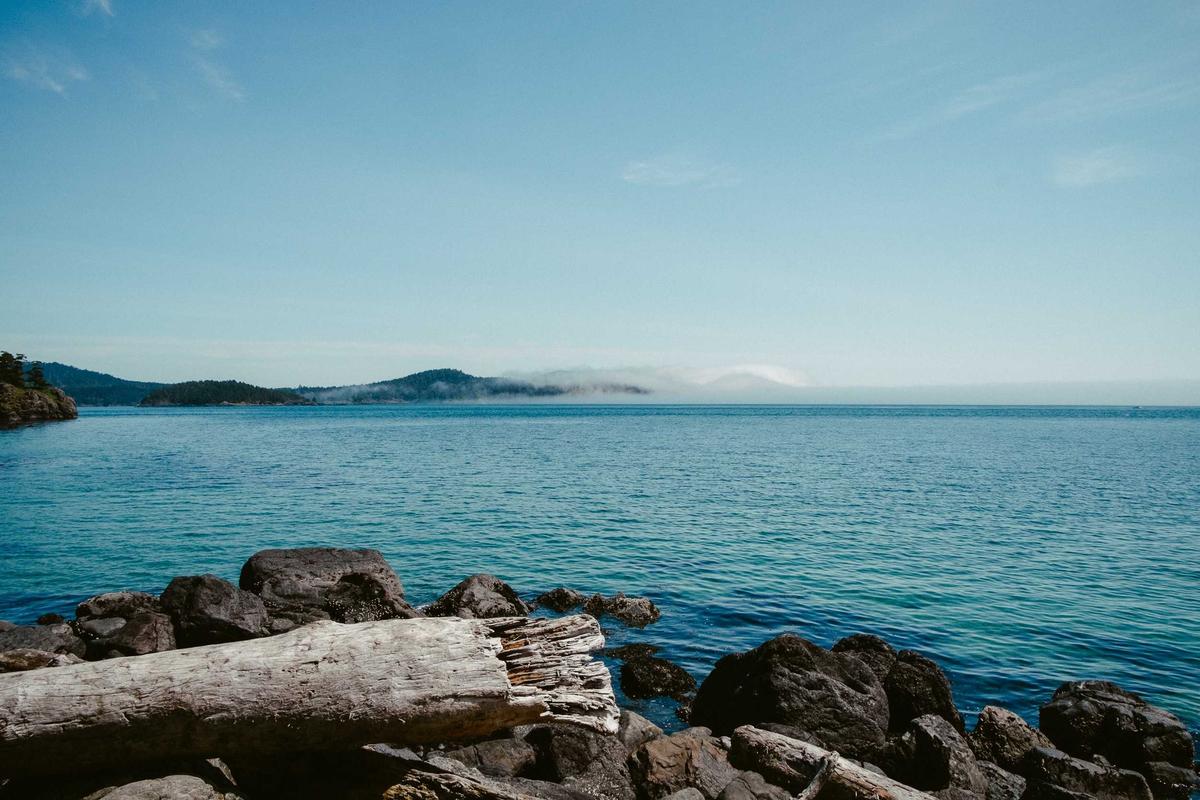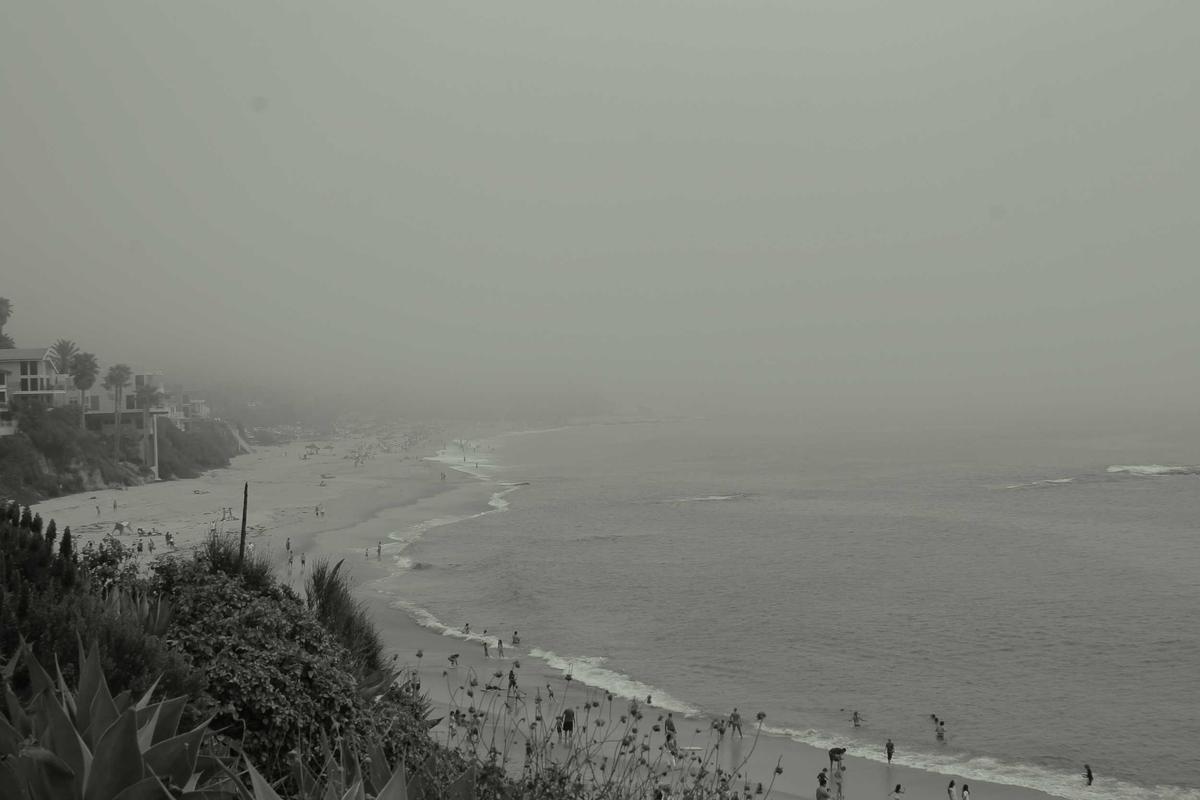
Protests have erupted in Albania over a luxury resort development backed by Jared Kushner, the former White House adviser and son-in-law of Donald Trump. The project, planned for the pristine coastline of Zvërnec, has drawn condemnation from local activists and environmental groups, who say it will destroy protected wetlands and price local communities out of their own land. For British investors already jittery over ethical standards in foreign markets, the controversy raises uncomfortable questions about where their money is going and who is truly benefiting.
The protests, which began last week, have seen hundreds of Albanians take to the streets of Vlorë, holding signs reading “Our beach is not for sale” and “Kushner go home”. They accuse the developer, Kushner’s Affinity Partners, of using political influence to bypass planning regulations. Albanian Prime Minister Edi Rama has defended the project as a boost for tourism, but critics point to a lack of transparency in the land deals and the potential for corruption. The resort, which promises a golf course and private villas, is expected to cost around 1.2 billion euros, a sum that dwarfs the country’s annual health budget.
For British pension funds and asset managers, this is more than a distant headache. The UK’s Investment Association has long championed “responsible capitalism”, but the Albanian project exposes a gap between rhetoric and reality. Several British firms with exposure to emerging markets have remained silent, wary of alienating a lucrative partner. Yet the ethical risks are clear: if the resort goes ahead despite local opposition, it could set a precedent for foreign investors riding roughshod over community rights. For the average British saver, the question is whether their pension is financing an elite playground at the expense of ordinary Albanians.
The UK government has so far declined to comment, but the Foreign Office is reportedly monitoring the situation. Labour MPs have called for a parliamentary inquiry into British investment in Albania, citing concerns over money laundering and environmental damage. Shadow Business Secretary Jonathan Reynolds said: “British taxpayers expect their money to be used responsibly. We need to ensure that firms backed by UK capital are not complicit in destroying local communities.”
Meanwhile, the Albanian government has doubled down. Rama told local media that the resort will create 10,000 jobs and put Albania on the map for high-end tourism. But union leaders in Vlorë say those jobs are a mirage. “They promise construction work for a few years and then what? We will be left with a ghost resort and a ruined coast,” said Fatmir Hoxha, a local trade unionist. The protests have drawn support from environmental groups across Europe, with Greenpeace warning of irreversible damage to bird habitats.
The Kushner controversy is just the latest example of a wider problem. Across the Balkans, luxury developments backed by foreign capital have sparked similar backlashes. In Croatia, a golf course project backed by Saudi investors was stopped after protests. In Montenegro, a planned Chinese resort is mired in legal challenges. For British investors, the lesson is clear: without due diligence and respect for local governance, the profits of luxury development can quickly turn into reputational quicksand.
As the protests continue, the Albanian government has offered to hold a public consultation, but activists say it is too little too late. For now, the bulldozers are idling, and the world is watching. British investors should take note: in the global economy, ethics are not a luxury item. They are a necessity.