The roar of water at Niagara Falls has been joined by a different kind of thunder this week. A temporary viewing platform erected near the Canadian Horseshoe Falls, intended for World Cup screenings, has received widespread acclaim for its innovative design and minimal ecological footprint. Yet, while local officials celebrate the feat of engineering, a contingent of British fans has been seen scouting alternative venues, citing concerns over the site's capacity and the unpredictable spring weather.
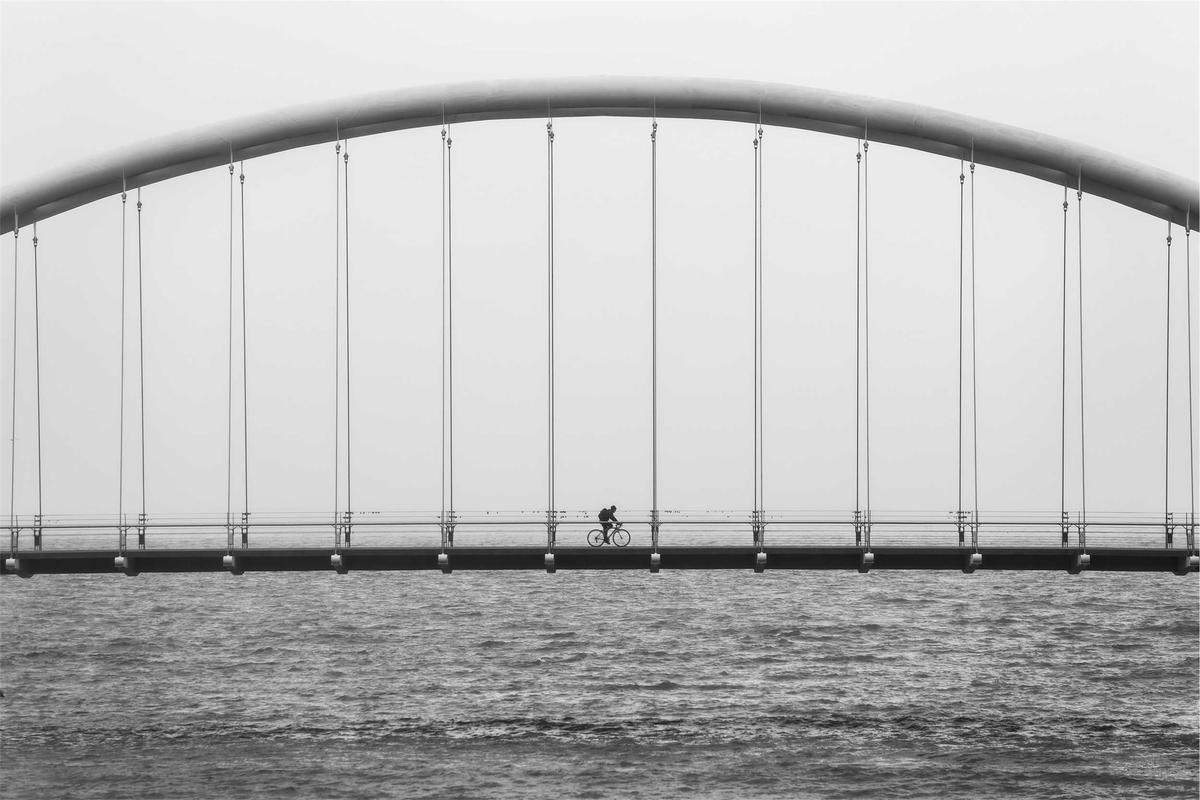
The platform, a cantilevered structure of recycled steel and tensioned fabric, accommodates 5,000 spectators. Its architects at Arup claim it can be dismantled within 72 hours, leaving no trace. “This is a model for temporary event infrastructure in sensitive environments,” said Dr. Elena Marchetti, a structural engineer at the University of Toronto. “The load distribution avoids any stress on the fragile cliff edges.”
However, the cheering has been muted among British supporters, who represent the largest foreign contingent of ticket holders. “It’s beautiful, but if a storm comes in, there’s no cover,” said Liam Fletcher, a fan from Manchester, as he studied a weather app showing 60% chance of rain for match days. “We’ve been looking at the old power station downstream. It’s got a roof and better acoustics.”
The power station, decommissioned in 2005, is now a museum. Its vast turbine hall, with 30-metre ceilings and exposed brickwork, could host over 8,000 people. A spokesperson for Niagara Parks Commission confirmed they’ve received “informal inquiries” about using the space but stressed no formal negotiations have taken place. “Our primary focus remains the platform,” they added.
This friction between spectacle and logistics highlights a broader challenge for event organisers in the age of climate volatility. As global temperatures rise, extreme weather events are becoming more frequent. In the past decade, the Niagara region has seen a 15% increase in sudden thunderstorms during May and June, according to Environment Canada. “We are designing for a climate that no longer exists,” said Dr. Helena Vance, Science & Climate Correspondent. “Any large-scale outdoor event must now incorporate redundancy, whether that means covered areas or breakaway seating.”
For the British fans, the quest for alternatives is also about atmosphere. “Watching football is about singing, chanting, feeling the energy bounce off the walls,” said Fletcher. “Outdoors, that disperses. Indoors, it stays.”
Engineers and event planners are watching this micro-drama closely. “If the power station becomes an unofficial fan zone, it could set a precedent for adaptive reuse of industrial heritage sites,” noted Dr. Marchetti. “These are the sort of creative solutions we need as we navigate an uncertain climate.”
For now, the platform stands, a testament to human ingenuity. But as the British fans continue their reconnaissance, one thing is clear: even the most praised designs must pass the ultimate test of public use, and that test is no longer just about comfort, but resilience in a warming world.