The arrest of a Ukrainian national in Germany on suspicion of involvement in the Nord Stream pipeline explosions has triggered a coordinated assessment by UK counter-terrorism authorities, who are weighing the implications for European energy infrastructure security. The suspect, identified as Volodymyr Z., was detained in late February in the Bavarian town of Bad Soden-Salmünster and is accused of being part of a team that sabotaged the Nord Stream 1 and 2 pipelines in September 2022, according to German federal prosecutors.
The explosions, which ruptured three of four pipelines in the Baltic Sea, released an estimated 150,000 tonnes of methane into the atmosphere and severed a critical energy artery between Russia and Europe. While the UK is not a direct consumer of Nord Stream gas, the blast has reshaped the continent's energy landscape, accelerating the shift away from Russian supplies and exposing the vulnerability of subsea infrastructure. UK counter-terror experts are now examining the case for potential links to British-based networks or copycat threats, given the precedent of state-linked sabotage.
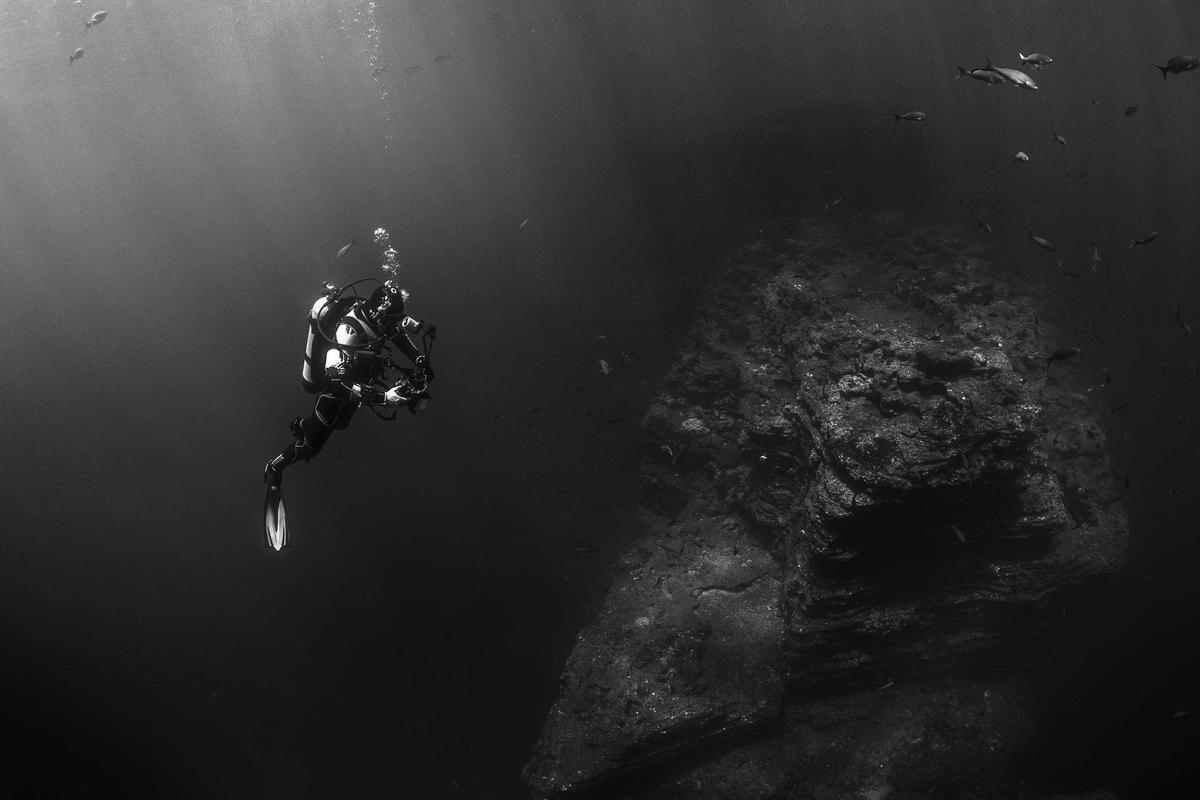
The suspect, a diving instructor with reported links to Ukrainian security services, remains in custody in Germany. German authorities allege he and two accomplices, also Ukrainian nationals, used a chartered sailing yacht to transport explosives to the blast site. The operation, which involved expert diving and precision placement of C4 charges, suggests a level of sophistication that points to state backing, though Ukraine has denied involvement.
For the UK, the incident underscores the fragility of energy systems in an era of hybrid warfare. The North Sea, which supplies a third of Britain's gas, hosts a dense network of pipelines and cables that could be targeted. The National Cybersecurity Centre has already flagged elevated risks to offshore platforms, and the Royal Navy has intensified patrols around key assets.
The arrest also tests the UK's legal framework for extraterritorial sabotage. While the Crown Prosecution Service has no current jurisdiction, the case could inform future legislation on critical infrastructure protection. Scientists have long warned that methane leaks from such sabotage could accelerate Arctic warming.
The Nord Stream plume, though temporarily catastrophic, has since dissipated. But the broader lesson is clear: energy security is now a climatic and geopolitical equilibrium that can be destabilised by a single underwater explosion.