The rescue of a missing mountaineer from the death zone of Mount Everest would ordinarily be a footnote in the season's grim statistics. But the story of the guide who survived six days on a single chocolate bar and melted ice is something else entirely: a parable of human endurance in an age of peak adventure tourism.
For six days, the man clung to life at 23,000 feet, a realm where the air is thin enough to kill within hours. His only sustenance was a chocolate bar, rationed bite by bite, and water from thawing snow. The details, emerging from the chaos of high-altitude rescue, are stark. He was found by a team of sherpas, frostbitten and hallucinating, but alive.
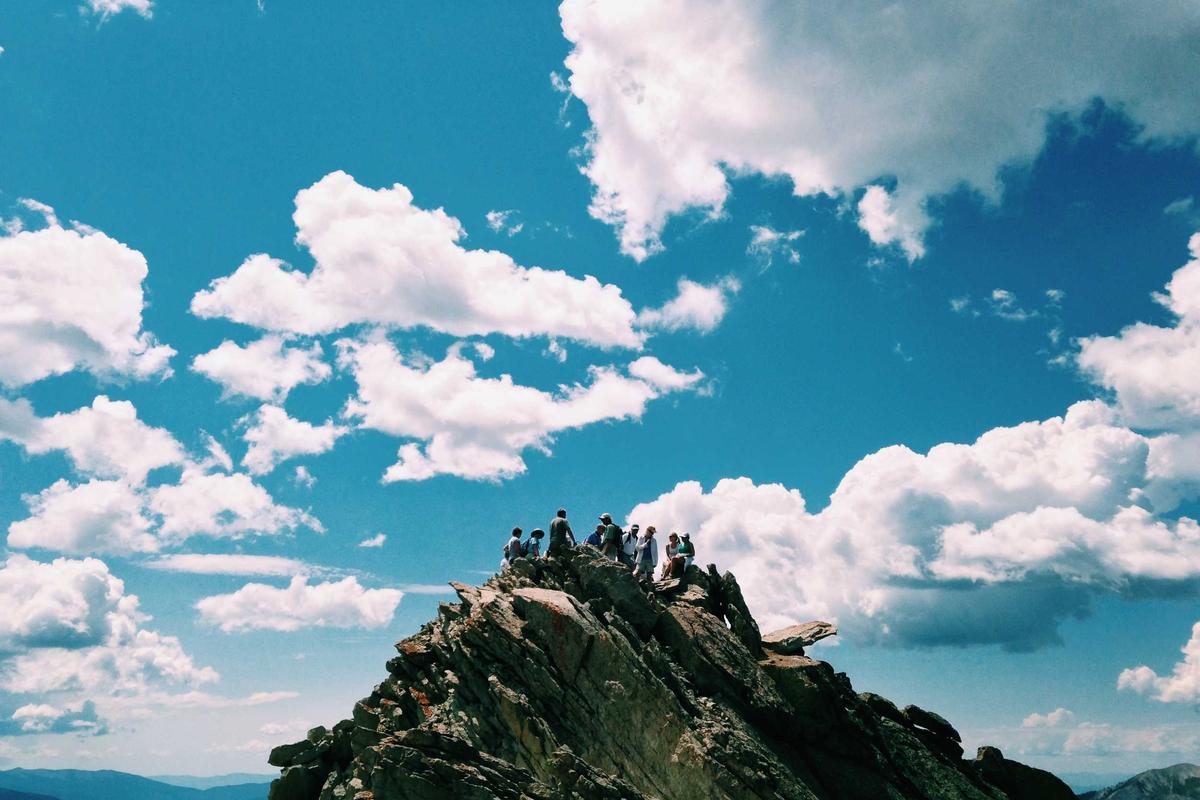
The reaction from the climbing community has been one of awe, but also a quieter, more troubling question: how did he come to be alone in the first place? The mountain, once the preserve of elite alpinists, is now a commercial thoroughfare. Queues form at the Hillary Step. Oxygen canisters litter the route. In this context, a guide separated from his group is a systemic failure as much as a personal ordeal.
Yet it is the human element that grips. The psychiatrists will talk about 'survival mode', the body's terrifying efficiency in turning fat and muscle into fuel. But there is something more at play: a refusal to accept the narrative of death that Everest imposes on the careless or unlucky. The chocolate bar becomes a symbol. Not of luxury, but of a single, stubborn thread of life.
Will this story change the culture of Everest? Probably not. The queues will form again next season. But for those who read the report, the image of a man chewing chocolate in a frozen hell will linger. It is a reminder that even in the most commodified landscape, the human will remains the wildest thing of all.