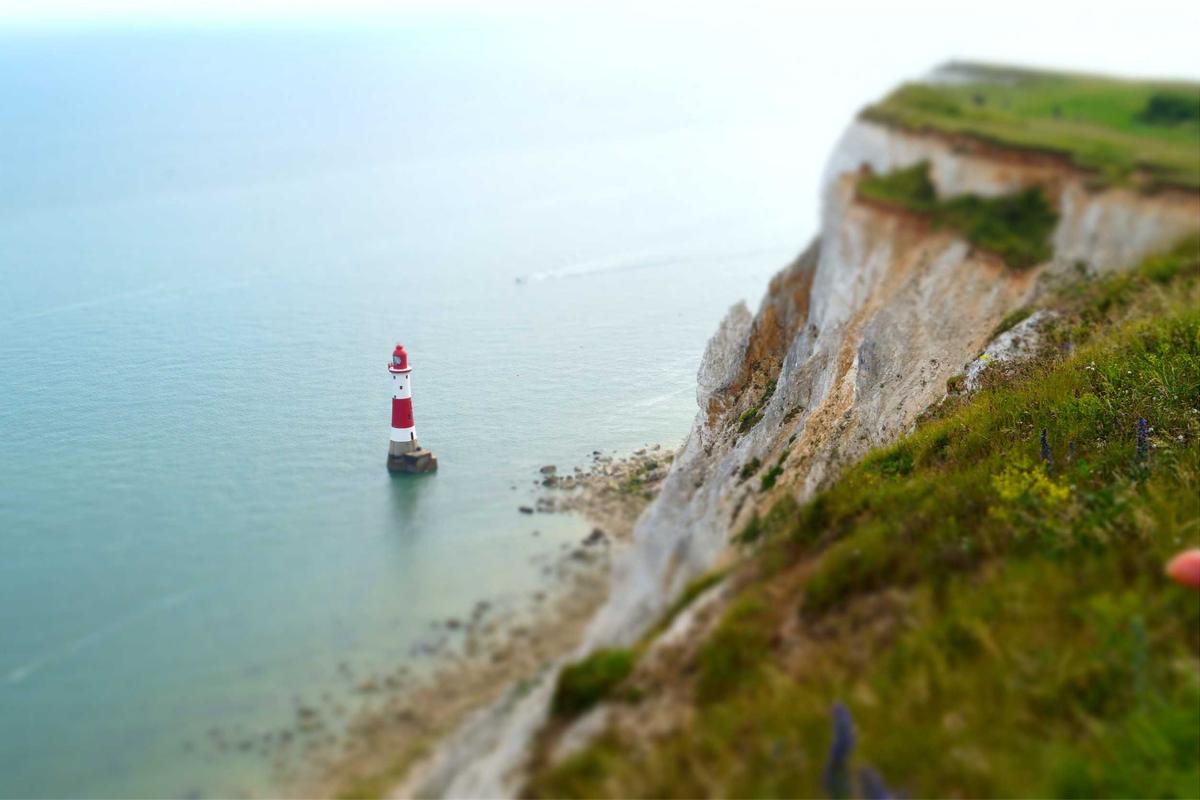
The tranquil waters of the Reflecting Pool, a centrepiece of the UK's national heritage, were violently disturbed this morning when vandals cut through its protective liner, draining the pool of water and symbolism. The act, which occurred overnight, has been described by authorities as a deliberate and malicious attack on public property. Yet as the pool's depths emptied, the resilience of Britain's heritage protections came sharply into focus.
Quick-acting maintenance teams from the Royal Parks agency were on site within hours, deploying emergency repairs that should see the pool refilled by the end of the week. “This is a sad day for those who value our shared spaces,” said a spokesperson. “But the systems we have in place are designed to respond with speed and precision.” It is this very infrastructure that ensures such acts remain isolated, not symptomatic of declining care.
From a technological perspective, the incident highlights a broader tension in our digital age. The same algorithms that feed us cat videos can amplify divisive narratives, sometimes inspiring real-world destruction. London's CCTV network, already among the densest in the world, will be cross-referenced with facial recognition databases. Meanwhile, the Met Police are deploying pattern analysis on social media to identify potential copycats. This is not a story of failure but of technological vigilance.
The UK's heritage protections are indeed world-class, not because vandalism never occurs, but because the response is systematic and swift. Layers of security, from physical barriers to digital monitoring, create a resilience that other nations envy. The National Trust, English Heritage, and the Royal Parks operate on a scale that combines historical stewardship with modern technology. Drones now survey perimeters, and AI-linked sensors detect anomalies in water levels or intruder presence. The vandals may have punctured a liner, but they have not punctured the fabric of protection.
Yet we must ask: why would someone target a pool? The answer may lie in the very digital platforms we champion. Online communities that glorify disruption or performative dissent can inspire copycat acts. The anonymity of the web provides cover for those who seek to damage what others cherish. This is the shadow side of connectivity: a tool for both protection and destruction.
The cost of repair is modest, but the psychological cost is not. The Reflecting Pool stands as a symbol of contemplation, a mirror to the sky and our collective psyche. To drain it is to crack that mirror. But as we repair the physical tear, we must also mend the digital fault lines that feed such behaviours. Robust heritage protections are a bastion against chaos, but they must be paired with digital literacy and community engagement.
As the water returns, so too does our confidence in the systems that guard our past. The UK's heritage protections remain a global gold standard, blending tradition with innovation. This vandalism will be solved, the pool restored, and the story told as a testament to resilience rather than decline.