In a decisive move that signals a recalibration of domestic security protocols, the Italian government has banned upcoming concerts by Kanye West and Travis Scott. The directive, issued by the Ministry of the Interior, cites “unprecedented public security risks” and “intelligence failure potential” in crowd management. This is not a cultural decision; it is a threat vector calculation.
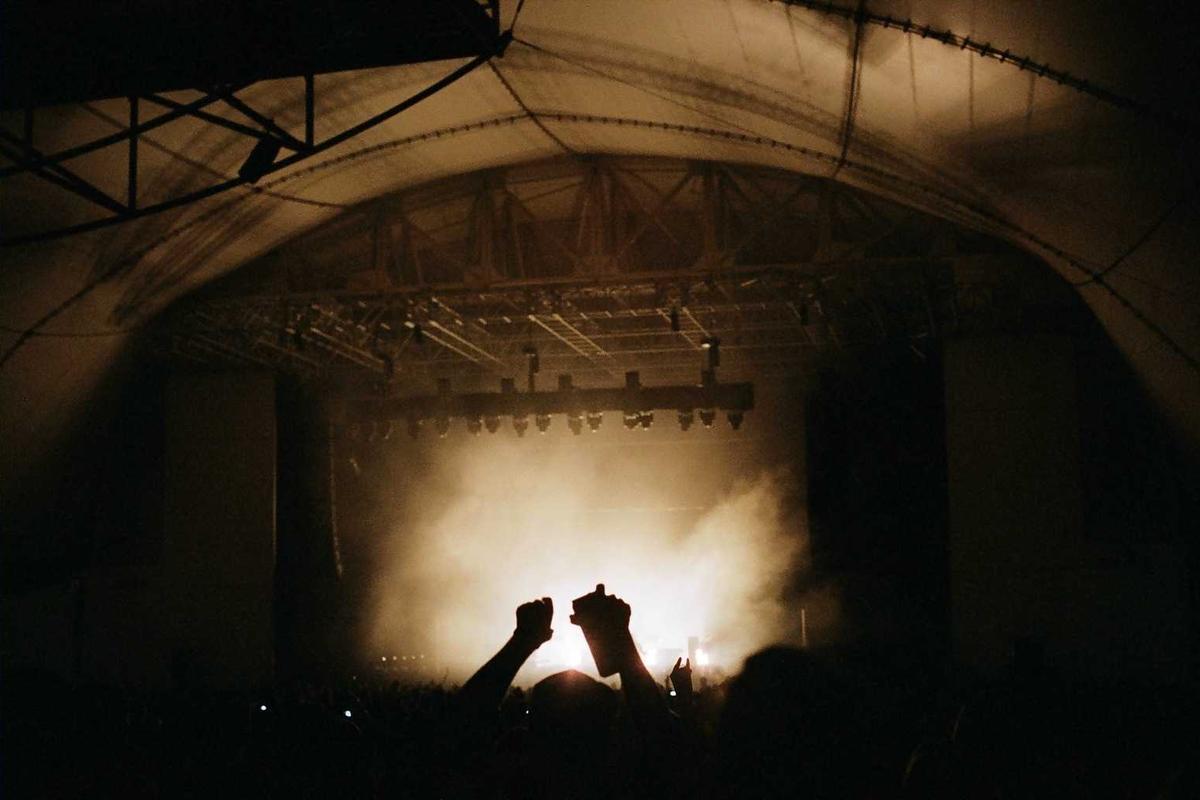
Let us examine the hardware: large-scale music events represent a soft target concentration of personnel. For a hostile state actor or non-state militant group, a stadium filled with tens of thousands offers a high-value, low-complexity engagement point. Italy’s intelligence community, still recovering from past lapses in crowd monitoring, is now applying a zero-risk posture to any event that could be exploited for asymmetric attack profiles. Travis Scott’s Astroworld incident in 2021, which resulted in multiple fatalities due to crowd crush, is a documented case study in logistics failure. Italy correctly assesses that a repeat, whether accidental or induced, would represent a strategic defeat for public order.
This ban also reflects a pivot in counter-terrorism doctrine. The West and Scott events were scheduled in Milan and Rome, both cities with high diplomatic density and critical infrastructure nodes. A coordinated cyber-physical attack could disrupt transportation grids, communication networks, and emergency response systems. By removing the concert vectors, Italy reduces the number of high-risk temporal windows for a simultaneous strike. This is textbook risk mitigation: eliminate the event, eliminate the opportunity.
Critics argue this overreaches and infringes on civil liberties. From a security analysis standpoint, those voices are irrelevant. The calculus is simple: the probability of a security incident at a major concert is non-zero, and the consequences of a successful attack are catastrophic. Italy’s choice is a strategic pivot towards proactive defence rather than reactive damage control. Remember the Paris attacks of 2015? The Bataclan theatre was targeted precisely because it was a soft, expectant audience.
Moreover, there is an intelligence angle. The ban may be based on specific, non-public threat intelligence. European security services have been tracking radicalisation trends in music subcultures and potential weaponisation of crowd dynamics. Italy’s decision could be a pre-emptive move based on chatter that has not yet reached the public domain. If so, this is a victory for intelligence-led policing.
Finally, consider the logistics. The visas for the performers’ entourages, the transport of specialised audio-visual equipment, and the coordination with local security forces all represent operational security risks. Each piece of hardware and each individual handler is a potential vector for infiltration or sabotage. Italy has assessed that the operational cost of these events outweighs the cultural benefit.
In conclusion, this is not about music. It is about state security, threat modelling, and hardware-level crowd control. Italy has made a strategic choice to deny any hostile actor the opportunity to turn a concert into a battlefield. Other European nations should take note and conduct their own threat vector analysis of large public gatherings. The West and Scott bans are a template for the new security reality.