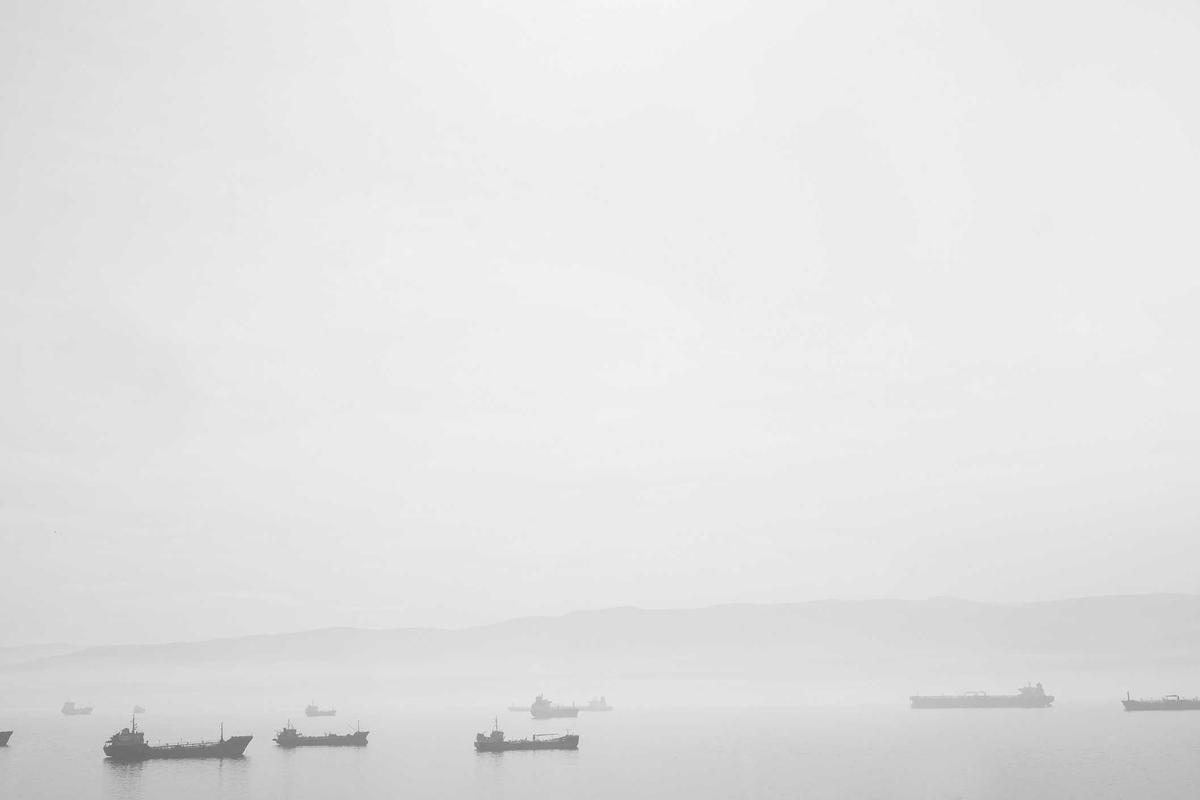
A vessel operating under ambiguous registry and lacking clear insurance documentation was intercepted by the Royal Navy in the English Channel last Tuesday, marking a dangerous escalation in the so-called 'shadow fleet' operations that have proliferated since Western sanctions on Russian oil exports. The tanker, identified as the *Alps*, was detected moving through a restricted zone near the Dover Strait, a critical chokepoint for global maritime trade. Its transponder was switched off, a tactic frequently used to evade scrutiny.
The Royal Navy dispatched HMS *Tyne*, an offshore patrol vessel, to conduct a boarding operation. Upon inspection, the crew refused to provide port of origin or final destination, and the ship's logs appeared altered. This is not an isolated incident.
The shadow fleet, composed of ageing tankers often owned by opaque shell companies, has been transporting Russian crude oil and refined products beyond the G7 price cap, exploiting loopholes in international maritime law. The environmental risk is immense. These vessels frequently lack proper maintenance and insurance, raising the spectre of a catastrophic spill in the Channel's ecologically sensitive waters.
The UK's Maritime and Coastguard Agency has reported a 40% increase in near-miss incidents involving such ships since 2023. The Royal Navy's response is calibrated but firm. 'We will not tolerate any violation of our sovereign waters or threats to our maritime infrastructure,' a Ministry of Defence spokesperson stated.
However, the broader strategic calculus remains fraught. Intercepting these ships in international waters requires legal justification that often rests on murky flag-state consent or environmental safety grounds. The *Alps*, for instance, sailed under a flag of convenience from the Pacific island nation of Palau, which lacks the capacity to enforce regulations.
This cat-and-mouse game in the Channel mirrors a global trend. From the Baltic to the Mediterranean, shadow fleet operations have surged, with estimates suggesting hundreds of vessels are involved. The UK, as a major maritime hub, is particularly exposed.
The Thames Estuary and the Humber are key entry points for refined oil. A spill here would be devastating for birdlife, fisheries, and the tourism economy along the Kent and Sussex coasts. The government has announced a review of maritime enforcement powers, but legal experts argue that new legislation may be needed to compel port states to deny access to uninsured vessels.
The climate angle is equally troubling. These tankers often burn heavy fuel oil, a high-sulphur pollutant that accelerates Arctic melting when spilled. They represent a parallel carbon economy, one that operates outside the emissions reduction frameworks agreed upon in Paris.
Every barrel shipped by the shadow fleet is a barrel that bypasses carbon pricing and environmental oversight. The Royal Navy's intervention is a stopgap. The real solution lies in diplomatic pressure on flag states and closing the insurance loopholes that allow these ships to operate.
Until then, the Channel remains a corridor of risk. The next interception may not be so clean. As sea levels rise and storms intensify, the margin for error shrinks.
The shadow fleet is not merely a geopolitical irritant; it is a direct contributor to the biosphere collapse that climate scientists have warned about. The temperature of the North Sea has risen by 2.5 degrees Celsius since the 1980s.
Warmer waters mean more volatile weather, stronger currents and greater strain on hulls. The *Alps* was built in 1998. Its structural integrity in a storm is unknown.
The Royal Navy's boarding party found corrosion along the ballast tanks. They photographed the evidence. Now the question is: which politician will act before the next tanker spills its cargo across the white cliffs?