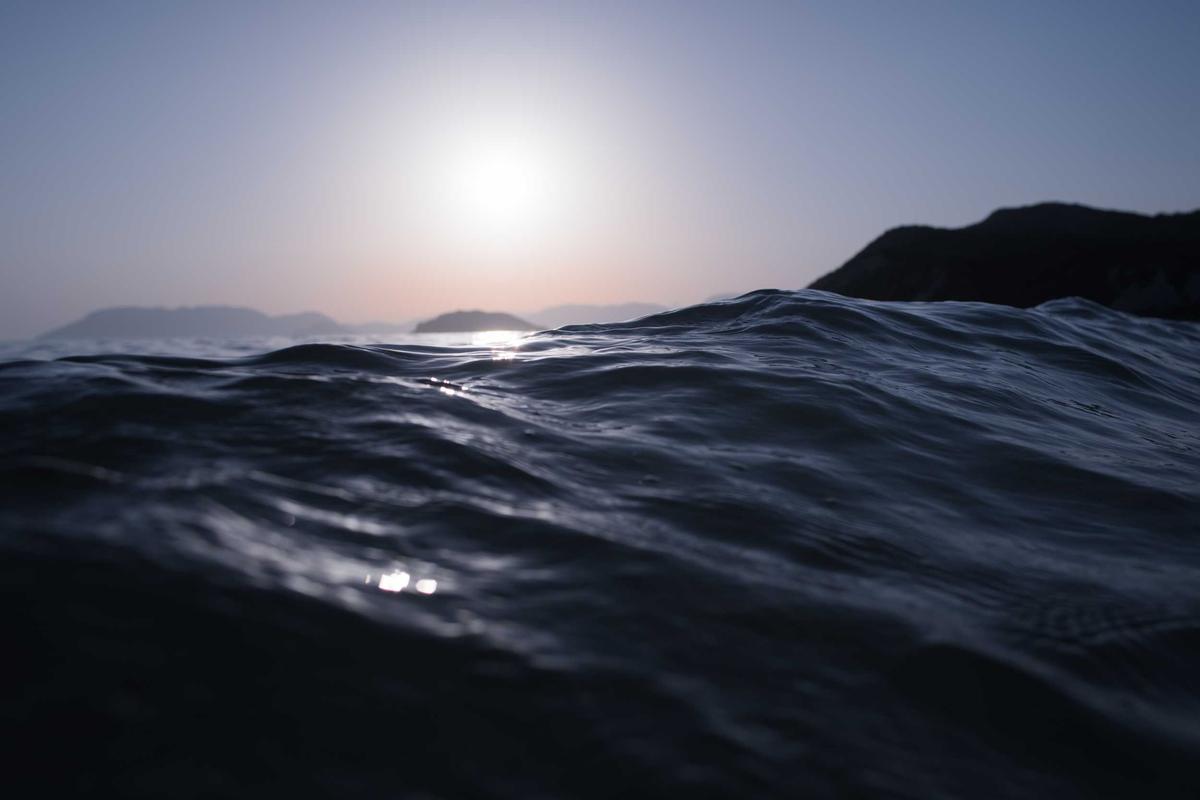
There is a certain theatre to the South China Sea that feels like a throwback to an older, more dangerous age of empire. The Royal Navy’s recent declaration to uphold freedom of navigation is not just a geopolitical move but a cultural statement: a line in a very liquid sand. For those of us who watch the human cost of such posturing, the real story is not the warships but the fishermen, the merchants, the ordinary people whose lives are caught in this riptide.
In coastal communities from Vietnam to the Philippines, the phrase ‘grab what you can’ has become a grim reality. Fishermen set out earlier, stay longer, and venture into disputed waters not out of patriotism but out of necessity. The sea is their livelihood, their supermarket, their inheritance. And now it is a chessboard.
The Royal Navy’s reaffirmation is a reminder that for all our talk of rules-based orders, the sea remains a place of raw contest. But what does that mean for the deckhand in Danang or the trader in Manila? It means uncertainty. It means insurance premiums rise, routes are rerouted, and the cost of a fish on a plate inches up. This is the invisible toll of sovereignty: paid not in naval budgets but in daily bread.
There is also a curious shift in class dynamics. In London and Beijing, the language is of strategy and rights. On the ground, it is about survival. The wealthy can absorb the shocks. The poor cannot. The South China Sea has become a mirror: reflecting not just national ambitions but our global inequality.
The cultural shift here is subtle but profound. The sea, once a shared resource, is now a claimed one. The idea of ‘freedom of navigation’ sounds noble, but for those who simply want to catch a fish and feed their families, it is a luxury they cannot afford to think about. They are too busy navigating the day-to-day reality of a world where even the water has borders.