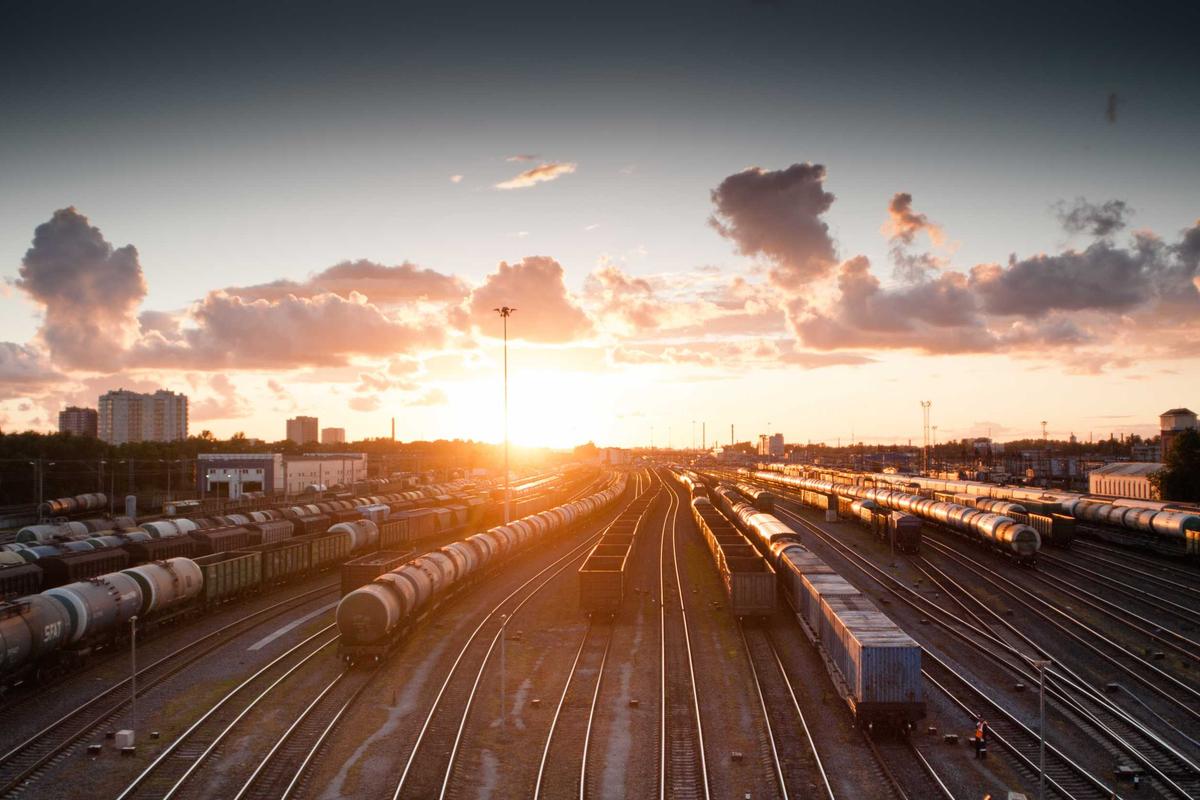
The hum of Port Talbot's blast furnaces has long been the heartbeat of British steel. But this week, that rhythm stuttered. Tata Steel's announcement of a delay on its £1.25 billion electric arc furnace project has sent a shudder through the industrial Midlands and beyond. For the 4,000 workers directly affected, and the thousands more in the supply chain, this isn't just a corporate timeline slip. It's a reminder that the promised green transition comes with a price tag paid in uncertainty.
The company cites 'clarification of regulatory and policy frameworks' as the reason. Translation: the government's net zero ambitions have yet to translate into the kind of concrete support that makes billion-pound bets feel safe. British industry, already reeling from high energy costs and global competition, now faces the prospect of another year living in limbo, waiting for a furnace that may never fire. The unions are talking about jobs. The politicians are talking about strategy. But on the ground, in the pubs and terraced houses of Neath Port Talbot, they're talking about bills and futures.
What strikes me is the quiet, almost resigned tone of the official statements. There is no outrage, no fiery demands. Instead, there is a weary 'we've been here before' air. This is the cultural shift I see: a nation that has made its peace with industrial decline, only to be offered a fragile hope of revival, now watching that hope be postponed again. The human cost is measured in postponed weddings, cancelled holidays and children choosing university courses that will take them away from home because there's nothing left to stay for.
The government's response has been predictably measured: 'We are working closely with Tata.' But working closely is not the same as cutting a cheque or fast-tracking a permit. Britain's steel sector, once the backbone of empire, now feels like a museum piece displayed in a shop window marked 'for sale' but with no buyers. The delay isn't just about steel. It's about how a nation treats its fundamental industries: with rhetoric, but not with resolution.
There is, I suppose, a wider lesson here. We talk about levelling up, about green jobs of the future. But the future, as always, is built on the present. And right now, in Port Talbot, the present is a holding pattern. The furnace delay is a symbol of something larger: a country caught between nostalgia and ambition, unable to find the will to forge a path forward. For the workers waiting, each passing day makes the future feel less like a destination and more like a fading dream.