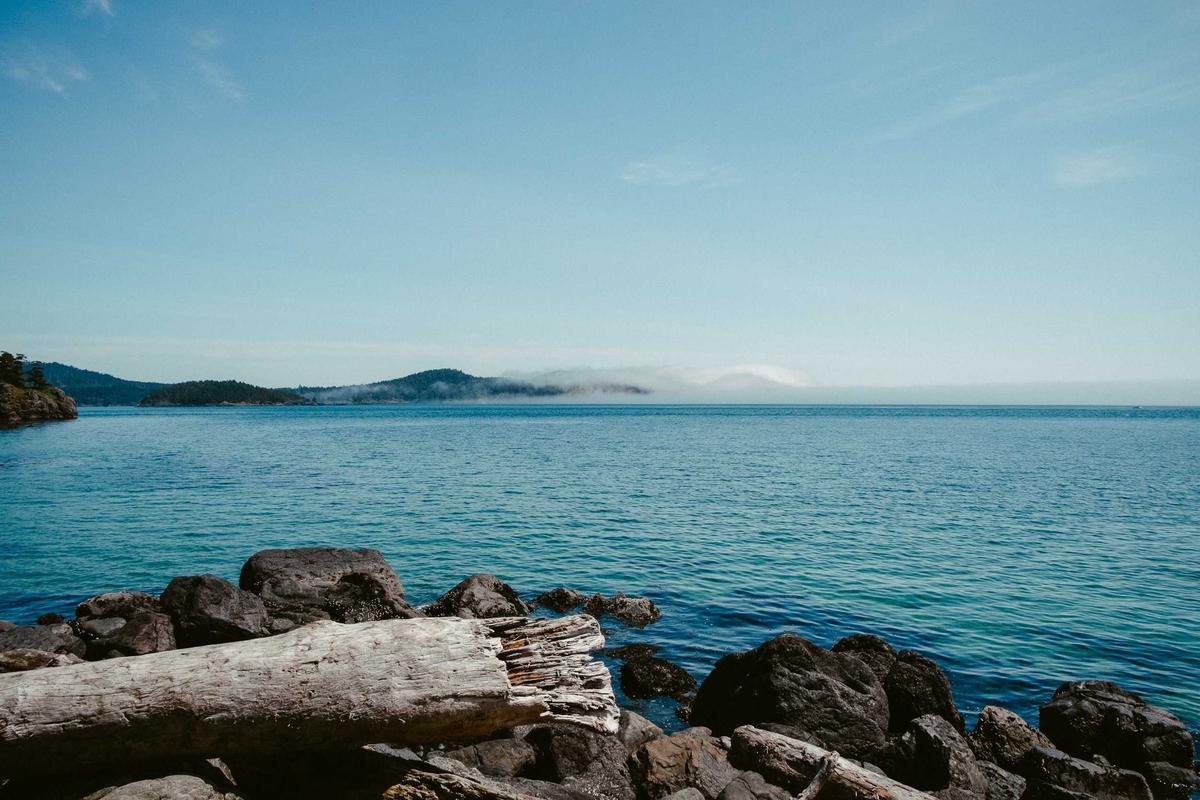
A plan to build a luxury resort on Albania’s stunning Ionian coast, backed by Jared Kushner, might seem like an unlikely flashpoint in geopolitical jostling. But for those who watch the Balkans, the announcement has set off alarms. The proposal, involving a partnership with Albanian property developers and international investors, is for a sprawling complex of hotels, villas and a marina in the village of Zvërnec. It is touted as a boon for tourism and jobs.
Yet Whitehall is nervous. The concern is less about the resort itself and more about what it represents: the creeping influence of former Trump administration figures in a region that is already a playground for Russian and Chinese interests. Albania, a Nato member and aspirant to the European Union, has been a steadfast ally of the West. But its institutions are fragile, its democracy young. The fear is that such high-profile investments, unencumbered by the usual diplomatic baggage, could become conduits for influence operations.
For locals in Zvërnec, the reaction is mixed. Spiros, a fisherman in his 60s, shrugs when I ask about the plans. “They came before with promises. We are still waiting for the road to be fixed.” For him, the resort is a distant rumour. But in Tirana, the chatter is more animated. Journalists and civil society groups worry about transparency. The Albanian government has rushed to assure the public that all due diligence will be done. But the opposition smells a scandal.
Kushner’s involvement matters because of his proximity to power, his family’s ties to the Gulf, and the opaque nature of his private equity funds. Critics see a blueprint for turning foreign policy into family business. Supporters see a savvy entrepreneur spotting an opportunity in an undervalued market.
What this reveals is a broader cultural shift in how we think about influence. The old model of embassies and statecraft is giving way to a messier, more transactional landscape where billionaires and ex-officials can reshape alliances with a hotel deal. For the people of Zvërnec, the change will come not as a diplomatic cable, but as a bulldozer clearing the olive groves.
If the resort goes ahead, it will bring jobs, yes. But it will also bring a new set of dependencies. The question is whether the price of development is worth the cost to sovereignty. In a region where history is never quite past, that is a calculation that demands care.