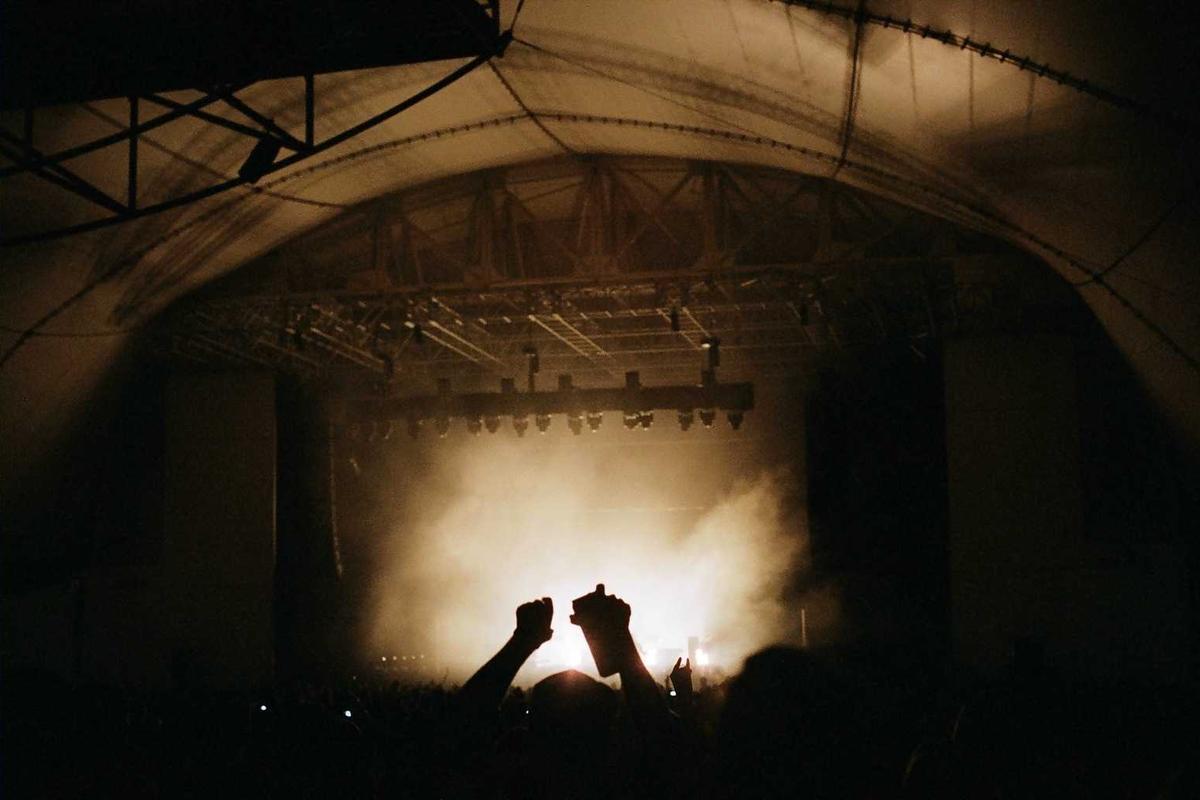
The US Freedom 250 festival, conceived as a grand celebration of America's semiquincentennial, is haemorrhaging talent faster than a punctured balloon at a county fair. Headliners including Miley Cyrus, the Eagles, and even the reliably apolitical Willie Nelson have pulled out, citing reasons that range from 'scheduling conflicts' to an unspoken aversion to sharing a bill with the man who inspired the whole affair. Donald Trump, never one to let a party go unattended, has responded with characteristic bluster: 'Cancel it. They're all afraid of me, but I'll be there anyway.' It's a threat that feels less like a promise and more like a desperate bid for relevance.
For those of us who watch the cultural currents, this is a moment of profound social psychology. The festival was meant to be a unifying spectacle, a chance for Americans to stand shoulder to shoulder and sing about bombs bursting in air. Instead, it has become a mirror of the nation's fractures. The artists' exodus is not merely a logistical snag, but a vivid illustration of how the entertainment industry has become a battlefield for moral positioning. To perform at this event is now to take a side. And the side of a president who is both a polarising figure and a pending legal defendant is, apparently, too hot to hold.
What we are witnessing is the 'influencer economy' colliding with the 'conviction economy'. For a star, a hit song is no longer enough. The currency of the age is authenticity, and nothing says 'I'm on the right side of history' like walking away from a gig linked to a man accused of subverting democracy. The irony, of course, is that the festival was meant to celebrate freedom. Yet the artists are exercising their freedom to not participate. Class dynamics are at play too. The working-class fans who might have saved for months to see their idols are left with a refund and a sense of betrayal. They wanted entertainment, not a civics lesson. The cultural shift here is the privatisation of patriotism. The Fourth of July was once a civic holiday, a day for parades and hot dogs. Now it's a brand. And brands are picky about their partners.
On the ground, the mood is shifting. In the bars and diners of Washington D.C., the talk is not of liberty and justice for all, but of who chickened out next. There is a weary cynicism among the people I speak to. 'They're all actors anyway,' one retired veteran told me, shrugging over a beer. 'This is just another show.' The young, however, are more attuned. A college student I interviewed in a coffee shop said she'd 'rather watch paint dry' than the festival now. 'It's not about the music anymore. It's about sending a message.'
Trump, sensing the stage emptying, is reportedly considering staging his own event. But the question is: who will show up? The rally crowds are reliable, but they are not celebrities. And a festival without stars is just a political rally with hotter weather. The 250th birthday of the United States was supposed to be a moment of collective reflection. Instead, it is shaping up to be a showcase of our divides. The soul of the nation is not in the soaring anthems, but in the quiet hum of a People who are tired of being told which songs to sing.
This is the human cost of a fractured culture. The festival is not cancelled yet, but it is on life support. And the doctor is the same man who took the Hippocratic Oath to do no harm. He is, instead, writing the prescription for further division. The artists have voted with their feet. The rest of us are left to decide whether we want to be the audience or the critics in this drama that never seems to end.