The government has announced a £1.3bn investment in a ‘Universal Park’ project, a sprawling public space intended to revitalise the nation’s tourism and leisure landscape. Listening to the Chancellor’s statement, one might have mistaken it for a corporate rebranding campaign. But behind the sleek language and the artist’s impressions of smiling families lies a more complex story: a bet on collective joy as a driver of economic recovery.
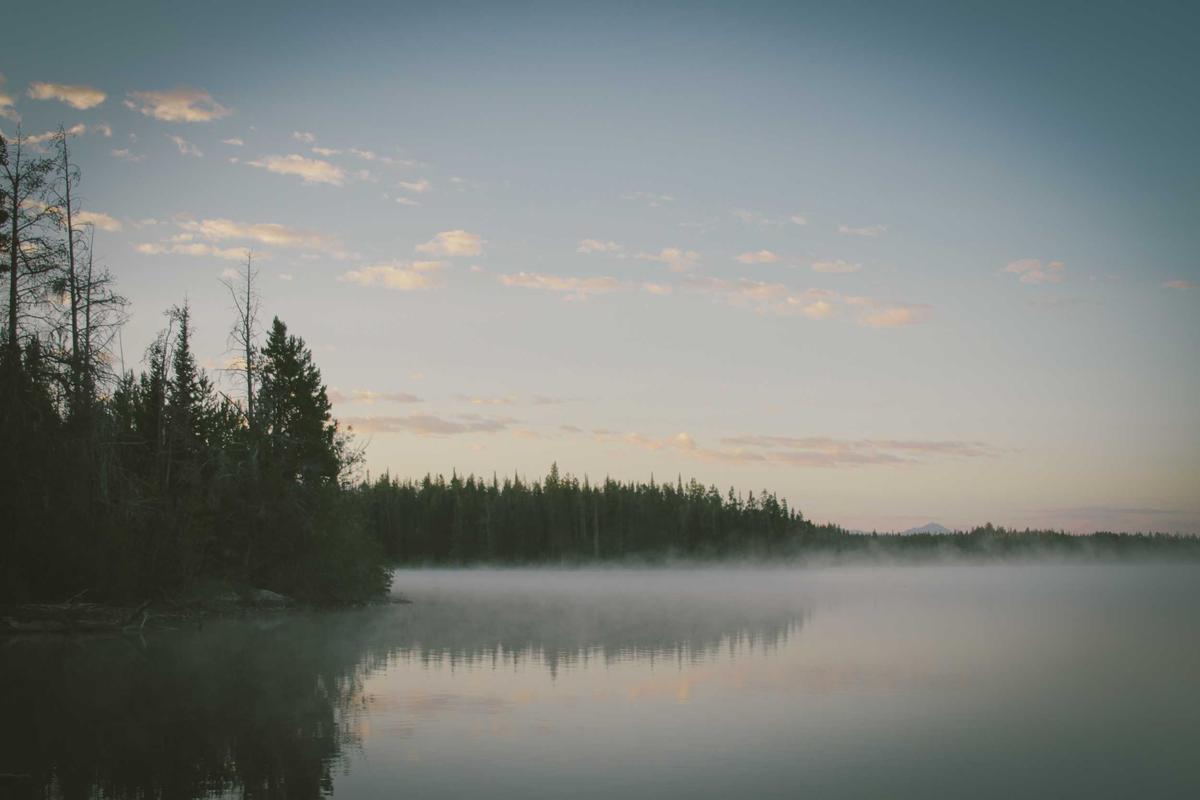
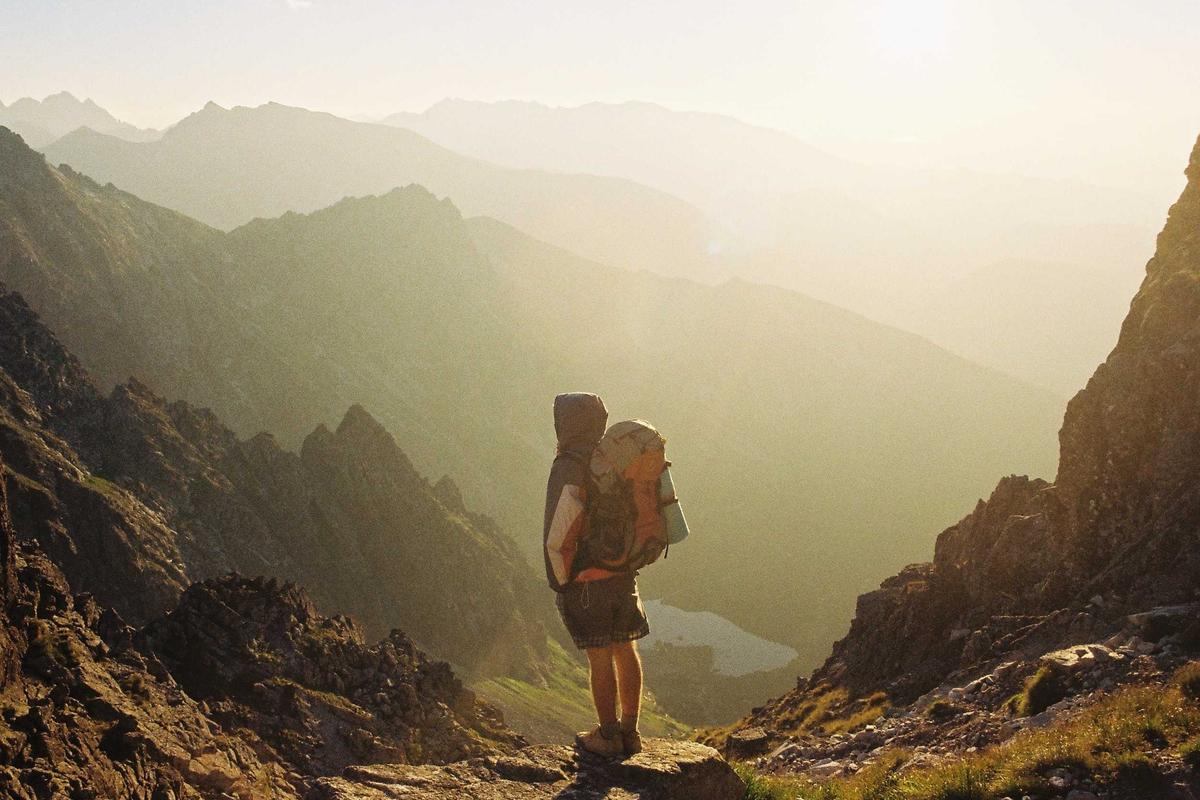
At first glance, this is a win for the green lobby and for the staycationers who have discovered the British countryside during the pandemic. The park will span across several counties, stitching together existing woodlands, wetlands, and historic parklands into a single, continuous ribbon of public land. The idea is to create a ‘destination’ that can rival the great national parks of America, but with the twist that it is funded and owned by the state. The tourism boost is estimated at £400m annually, with hopes of attracting both domestic and international visitors who are increasingly craving nature over city breaks.
Yet, as a society columnist, I find myself less interested in the spreadsheets and more in what this says about us. We are a nation that privatised its railways, sold off its council houses, and now, in a moment of crisis, turns back to the idea of the collective. The park is to be free at the point of use, a deliberate echo of the NHS. The messaging is clear: some things should not be for profit. This is a cultural shift. After a decade of austerity and a pandemic that revealed the fragility of our social fabric, there is a hunger for shared experiences and public goods. We want to belong to something larger than ourselves.
But the human cost is not negligible. The inevitable question: who gets displaced? The land for the park will be acquired through compulsory purchase orders, meaning farmers, smallholders, and families whose roots go back centuries could be forced out. The government assures us that compensation will be ‘generous’, but as any sociologist knows, money cannot replace a sense of place. The local pub, the village school, the hedgerow where your grandfather once picked blackberries. These are the textures of a life that planners’ maps cannot capture.
Moreover, the ‘Universal Park’ risks becoming a victim of its own hype. The pressure to deliver a world-class attraction could lead to a sanitised, branded version of nature: think curated wildflower meadows and Wi-Fi-enabled benches. The spontaneous, messy, unpredictable quality of real landscapes might be replaced by a kind of outdoor theme park. The tension between accessibility and authenticity is a tightrope the developers will have to walk.
Still, there is something hopeful here. The project’s name, Universal, is a deliberate echo of the 1920s New York Central Park, designed by Frederick Law Olmsted as a democratic space where rich and poor could breathe the same air. In an age of gated communities and private members’ clubs, the idea of a genuinely shared space is radical. It suggests that we still remember how to dream collectively.
On the ground, the response has been mixed. In the Yorkshire town of Harrogate, where the park’s northern entrance is planned, there is a cautious optimism. A café owner told me: ‘It might bring in the tourists, but I worry about the traffic. And what about the farmers?’ A young couple pushing a pram were more enthusiastic: ‘Our kids will grow up with this. It’s like a gift from the state.’ That phrase stuck with me: a gift from the state. When did we last feel that way?
The £1.3bn will come from a mix of treasury reserves and a new ‘tourism levy’ on hotel stays, which means the cost will ultimately fall on visitors. But the true cost, or benefit, is measured in something else: a nation’s relationship with its land and with each other. The Universal Park is a statement of intent. Whether it becomes a verdant Eden or a bureaucratic greenwash depends on whether we dare to treat it as ours, not as a government handout but as a collective inheritance.
For now, I will watch the cranes and the diggers with a mix of scepticism and hope. The best parks are not built but grown. And growth takes time, patience, and a willingness to let the wildness in.