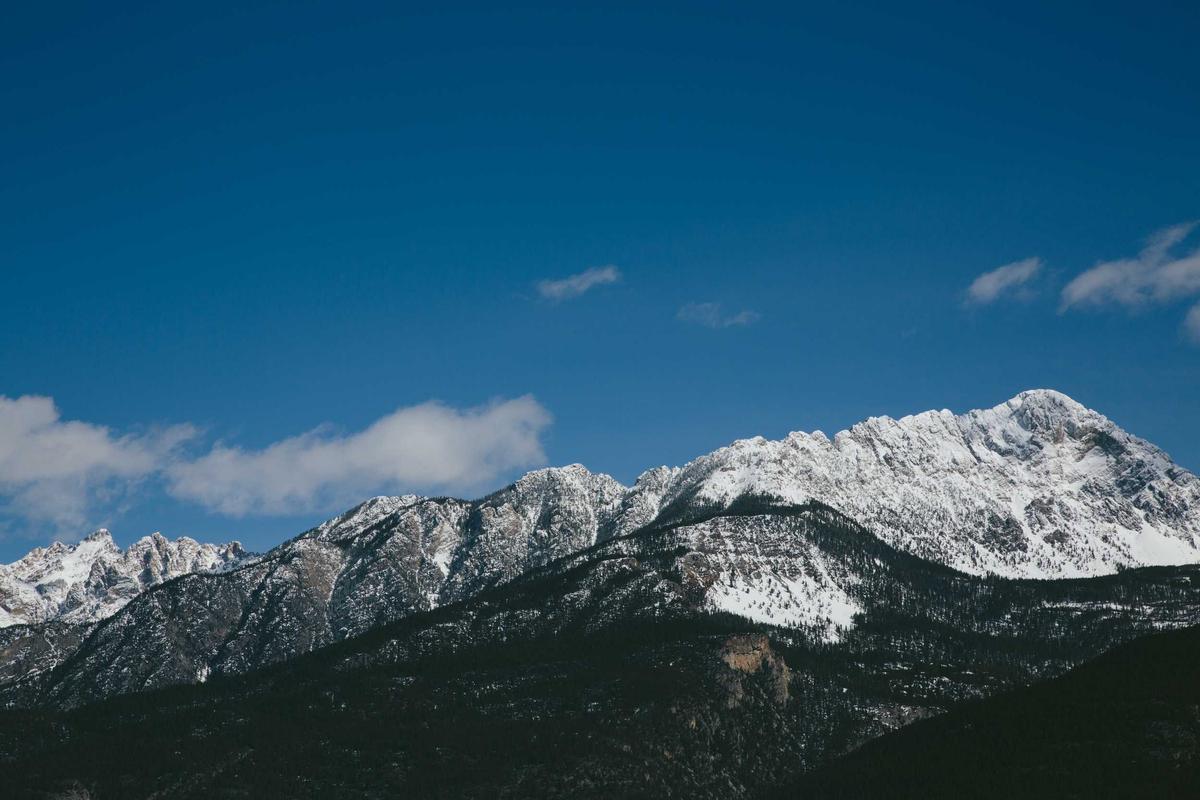
Let us not be too quick to applaud. The news that hundreds have been freed from a Boko Haram mountain hideout, with British support, is a victory for good sense and the better angels of our nature. But this is not a Victorian colonial adventure, a dashing rescue of the helpless by the heroic.
It is a grim necessity, a surgery on a festering wound that should never have been allowed to suppurate. The mountain, a natural fortress turned prison, is a metaphor for the intellectual and moral decay that has gripped the region for nigh on a decade. Boko Haram, a name that translates roughly to 'Western education is forbidden', is the logical, if monstrous, offspring of a world that has lost its nerve.
We have retreated from grand narratives, from the muscular assertion of values, and have left a vacuum for the worst sorts of fanaticism. The rescue itself, efficient and professional, is a credit to the servicemen and women involved. But let us not mistake a tactical success for a strategic victory.
This is akin to patching a leak in a rotting vessel. Until we address the intellectual poverty and the political cynicism that fertilises such terrorism, we will be forever pulling desperate souls from mountain fortresses, a Sisyphean task that exhausts and ultimately humiliates. The freed captives, their bodies emaciated and spirits battered, are the true heroes here.
They endured what many of us, in our comfortable armchairs, can scarcely imagine. But we must ask: what comes next? A government stipend?
A rehabilitation camp? Or a renewed effort to build schools, courts, and a sense of common purpose that makes such fanaticism seem like a vestige of a barbaric age? The report of the rescue is uplifting, but the deep, structural rot remains.
Until we confront that, we are merely rearranging deck chairs on a foundering ship. The world, as ever, is a stage for tragedies that need not have been written.