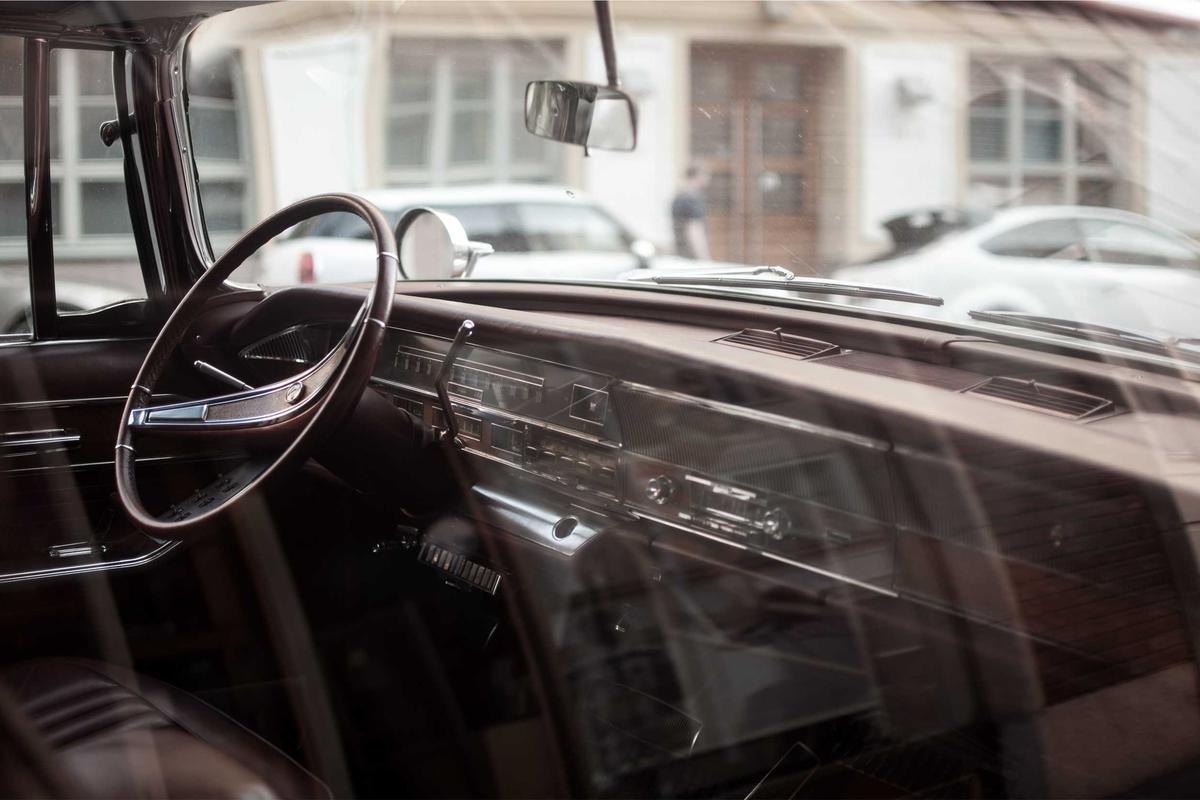
It was a symbol of freedom. The open road, the wind in your hair, the glamour of the French Riviera compressed into a British suburban driveway. But the convertible, that ultimate aspirational vehicle, is dying. British luxury marques are warning of an ‘end of an era’ as sales plummet. And while the headlines blame electric cars and safety regulations, the real story is about us. What we value. What we have sacrificed on the altar of progress.
I remember my first ride in a convertible. It was a battered Mazda MX-5, borrowed from a friend, and we drove from London to Brighton with the roof down in October. It was cold, noisy, and ridiculous. And it was glorious. That feeling of exposure, of being part of the world rather than sealed off from it, is something that a modern SUV with its panoramic roof cannot replicate. The convertible was never just a car. It was a statement. A declaration that you valued joy over practicality, experience over insulation.
Now, the statement is out of fashion. Sales of convertibles in the UK have fallen by nearly a third since 2016, according to data from the Society of Motor Manufacturers and Traders. Brands like Aston Martin, Bentley, and Rolls-Royce have all reported declining interest in their drop-top models. The reasons are well-rehearsed: the rise of electric vehicles, with their heavy batteries making low-slung convertibles difficult to engineer; the decline of personal car ownership in cities; the tyranny of safety regulations that demand roll-over protection. But these are symptoms, not causes.
The real shift is cultural. We are living in an age of retreat. The open road no longer calls to us. We commute in hermetically sealed pods, our attention glued to screens, our senses dulled by a constant hum of notifications. The convertible demands presence. It forces you to engage with the environment: the smell of rain on tarmac, the sound of birds, the chill of an autumn evening. In a world where we have outsourced our experiences to algorithms, that kind of engagement feels almost subversive.
There is also a class dimension at play. The convertible was once a marker of a certain kind of wealth: the weekend car for the country-house set, the midlife crisis cure for the successful professional. But the aspirational classes have moved on. Status is now signalled by a Tesla’s silent acceleration or a Range Rover’s imperious height. The convertible, with its impracticality and its insistence on being seen, feels gauche. It is too flashy, too loud, too old-fashioned. We have swapped swagger for stealth.
On the streets of Britain, the shift is palpable. Visit any affluent suburb on a Sunday morning and you will see a parade of SUVs and electric hatchbacks. The convertible has become a rarity, a relic, a curiosity. It is not just that they are less practical. It is that they no longer fit the narrative of who we want to be. We are more cautious, more risk-averse, more concerned with efficiency than with joy. The convertible is a car for optimists. And optimism, it seems, is in short supply.
Does this matter? Perhaps not. Cars are just machines. But the way we choose to move through the world says something about how we choose to live. The death of the convertible is a small tragedy, a minor note in the symphony of change. But it is a note worth pausing on. Because in its passing, we see the shape of a world that values comfort over thrill, isolation over connection, and safety over the glorious, irreplaceable feeling of the wind in your hair.