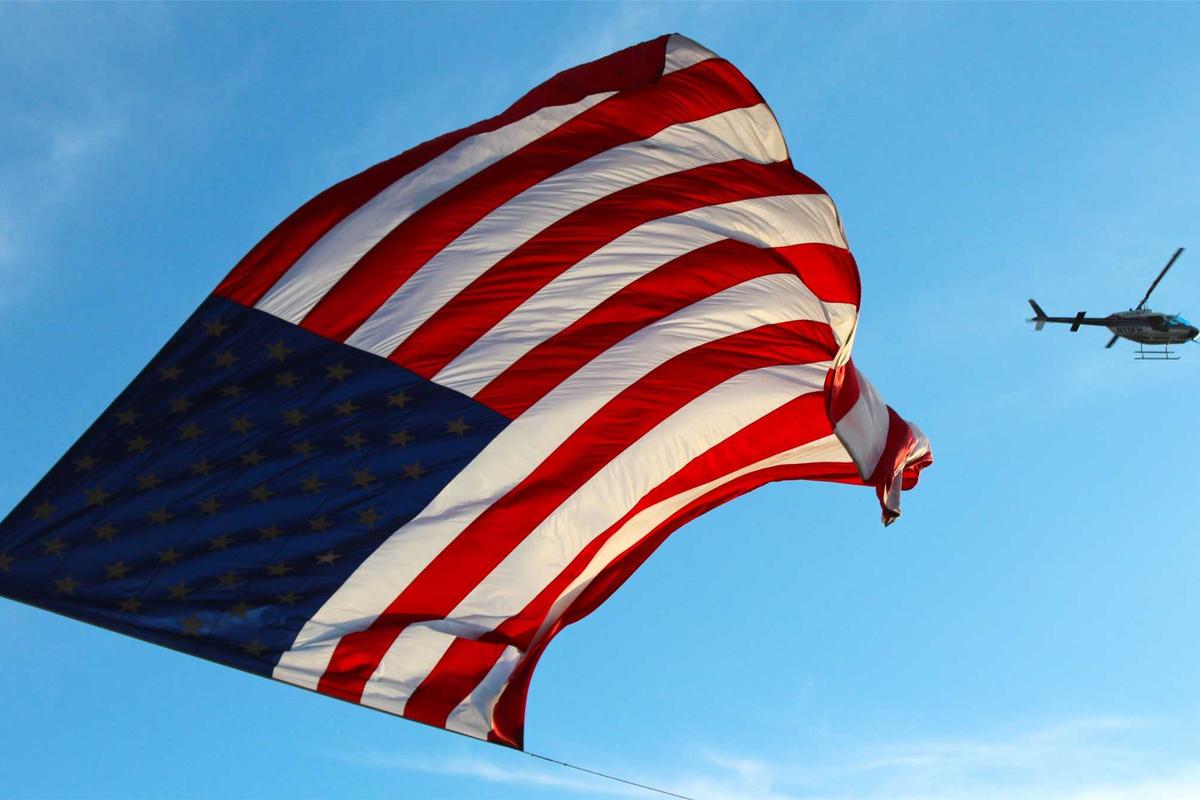
So the security services have foiled a plot to take out White House snipers with drones. One must suppress a weary sigh. Not because the threat is trivial, but because it reveals something rather embarrassing about our era: we have forgotten how to think like an empire. The fall of Rome was not precipitated by a barbarian horde appearing at the gates one morning. It was a slow rot, a creeping intellectual decadence that made the legions soft, the bureaucracy corrupt, and the citizenry complacent. And here we are, blinking in the fluorescence of an open-plan office, pretending that the age of peril has passed. It has not. It has merely changed its uniform.
Let me be clear: the foiled plot is a victory for the intelligence community, and they deserve their quiet applause. But the very fact that such a plot could be hatched, that we must now worry about drone-swarm assassinations, is a symptom of a deeper malaise. For decades, the Western world has indulged in a fantasy of perpetual peace. We believed that technology, trade, and liberal values would dissolve ancient hatreds. We were wrong. History is not a linear progression towards a sunlit upland. It is a cyclical nightmare, and we are currently in the phase where the old certainties are crumbling, and new barbarians are sharpening their digital swords.
Consider the historical parallel. In the late Victorian era, the British Empire faced a similar paradox: unprecedented technological power combined with a growing sense of existential unease. The Boer War, the rise of imperial Germany, the spectre of anarchist violence in the streets of London. The Victorians understood something we have forgotten: that stability is an unnatural state, maintained only by constant vigilance and a willingness to use force. They did not apologise for their power. They did not wring their hands over ‘Islamophobia’ or ‘drone ethics’ when faced with a clear and present danger. They acted. And when they acted, they did so with the full weight of a civilisation that believed in its own right to exist.
Today, we are paralysed by introspection. The foiled plot will be met with a flurry of official statements, a tick-box review of procedures, and perhaps a few more pounds for the security budget. But what it truly demands is a reckoning with our own decadence. We have spent a generation dismantling the very concepts of national identity, cultural pride, and the will to defend them. We have elevated the individual above the collective, the right above the responsibility. We have allowed a cult of victimhood to replace the old civic religion of duty and sacrifice. And now we are surprised when the enemies of our way of life take advantage of our weakness?
The drones in this plot are not the real threat. The real threat is the drone of self-doubt that hums constantly in the background of our public discourse. It is the drone of relativism, which whispers that all cultures are equal and therefore none are worth fighting for. It is the drone of historical amnesia, which allows us to forget that the price of liberty is eternal vigilance. Until we rediscover the spine that made the West great, we will continue to lurch from crisis to crisis, each one a little closer to the abyss.
I am not advocating for panic or jingoism. I am advocating for clarity. The plot was foiled this time. But the next one might not be. The question is whether we have the intellectual and moral resources to face what is coming. On current evidence, I am not optimistic. But then, I never am. It is the burden of the contrarian to see the storm clouds when everyone else is admiring the sunset.