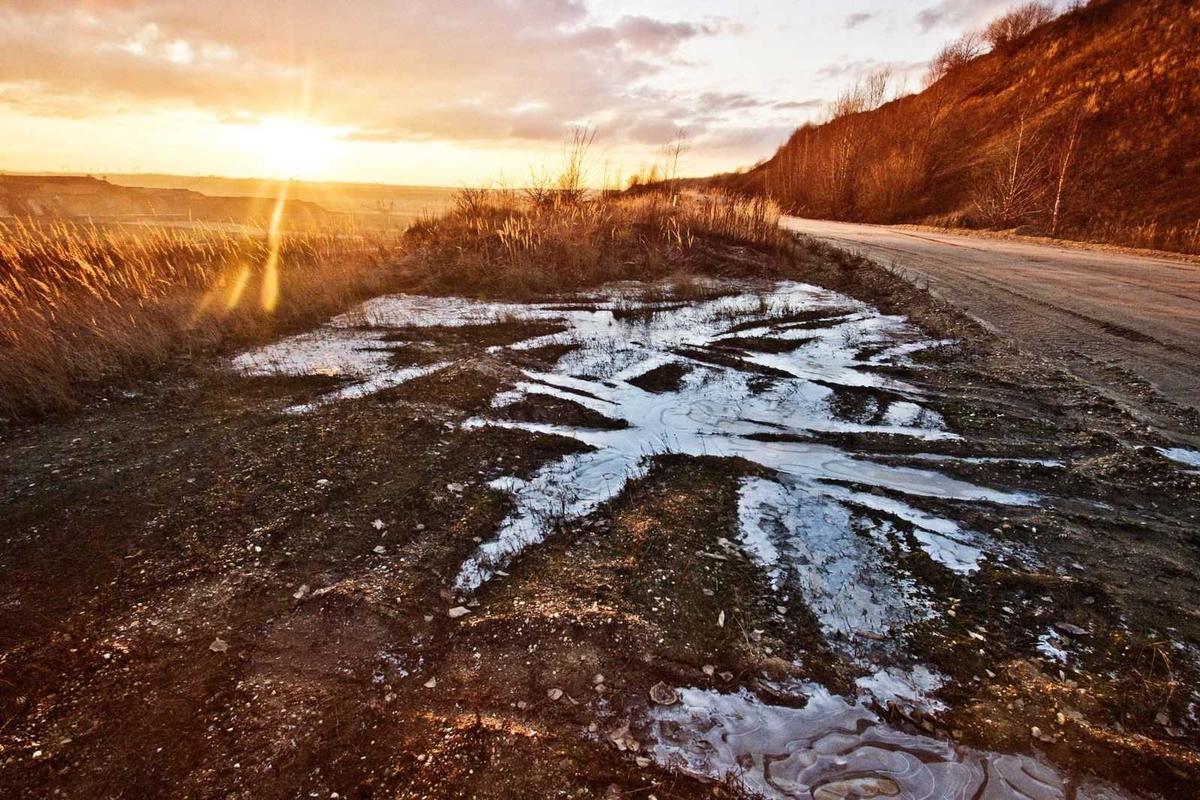
The deadly fusion of record drought and prolonged heatwave has claimed three lives in the unfolding wildfires sweeping across the Colorado-Utah border. Firefighters, caught in a sudden pyrocumulus cloud collapse, were overwhelmed by the inferno's fury. This is the physical reality of a warming world: fires are no longer seasonal; they are perpetual, and they are claiming lives with increasing frequency.
As the United States battles these unrelenting blazes, scientists point to a clear driver: the planet's average temperature has risen by 1.2°C since pre-industrial times, and the American West has warmed by twice that. The heat that desiccates forests and turns them into tinder is a direct consequence of cumulative carbon emissions. We have engineered a climate where such disasters are not exceptional but expected.
In parallel, the United Kingdom's recent announcement of a 78% emissions reduction target by 2035, enshrined in law, has garnered international praise. The Climate Change Committee's Sixth Carbon Budget, which underpins this goal, represents the most ambitious nationally determined contribution framework globally. It is a rare case of policy aligning with physics: to limit warming to 1.5°C, global emissions must halve by 2030 and reach net-zero by 2050. The UK's trajectory, if realised, meets this requirement.
Yet, there is a disquieting irony. While the UK sets ambitious targets, it continues to approve new fossil fuel projects, such as the Cambo oil field. The contradiction is stark: the government's own advisory body warns that even current policies are insufficient to meet the legally binding carbon budgets. The world watches as two visions of the future compete: one of rigorous decarbonisation, the other of business-as-usual.
The death of three firefighters is a tragic reminder that climate change is not a future abstraction; it is a present reality. Their sacrifice highlights the need for urgent action. The UK's praised response must be replicated globally. Every year of delay locks in additional warming, more intense fires, and more lives lost. The science is clear. The time for calm urgency is now.