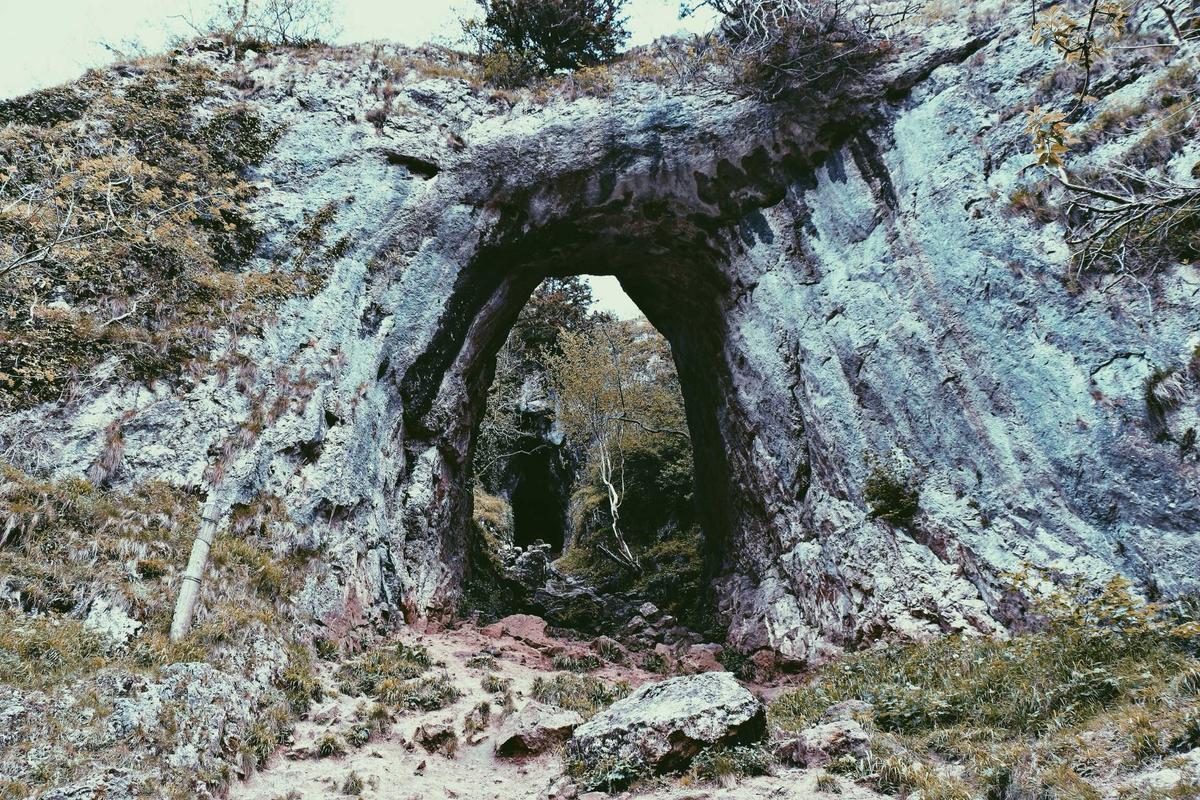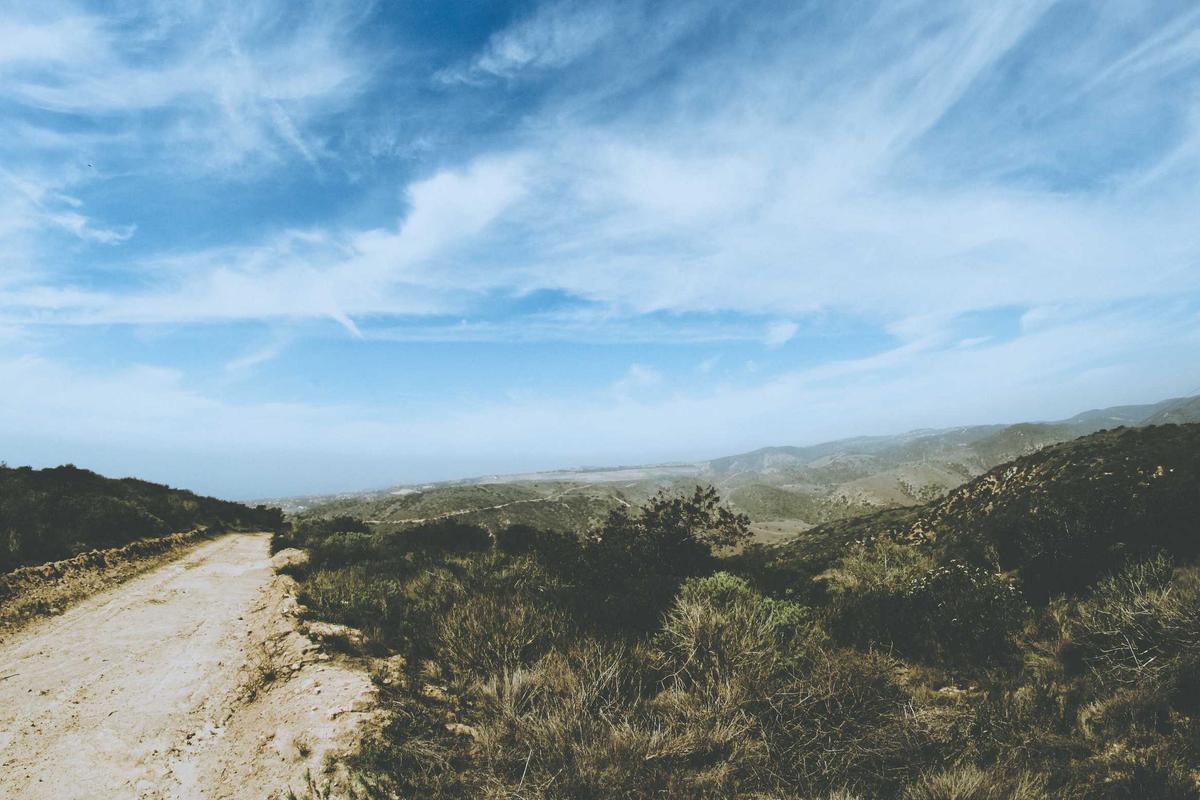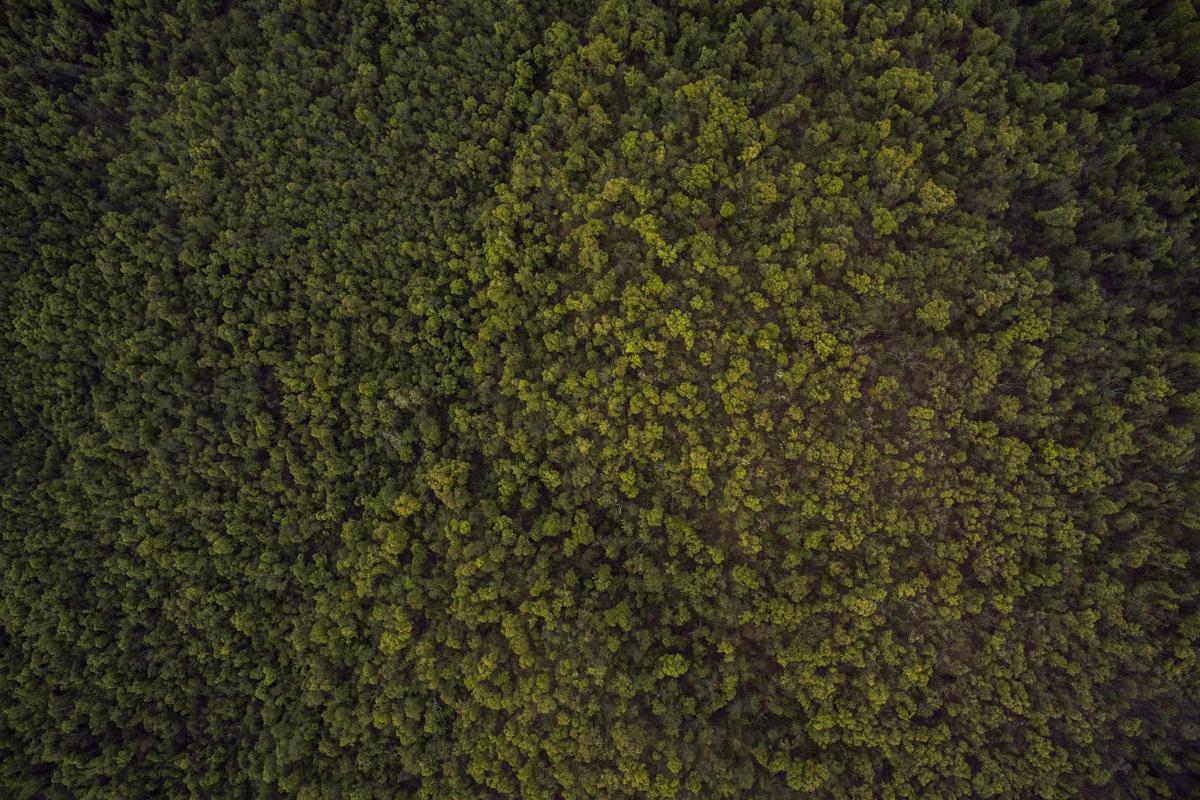
A grim discovery in the New Mexico desert has reopened a cold case that exposes troubling gaps in forensic protocols. The body of Dr. Elena Vega, a 34-year-old biochemist who vanished from a Los Alamos laboratory in August 2023, was found by hikers near the Cibola National Forest last week. The cause of death remains undetermined pending further analysis, but the delay in locating her has sparked outrage among her family and raised questions about the efficacy of modern search-and-rescue technologies.
Dr. Vega was last seen leaving her lab around 11 p.m. on August 12, 2023. Security footage caught her walking toward the staff car park, but the trail went cold. Despite an immediate search by local authorities and the FBI, no trace was found for eleven months. Critics argue that the reliance on traditional methods, such as ground searches and canine units, delayed the discovery. 'We have satellites that can track a stray sheep from orbit, yet a missing scientist in America’s most surveilled state remains invisible for nearly a year,' said Dr. Amelia Torres, a former FBI data analyst now working on AI-driven forensic tools.
The case underscores a broader systemic issue: the failure to integrate cutting-edge technologies into routine investigations. New Mexico’s rugged terrain makes ground searches challenging, but drones equipped with thermal imaging could have covered vast areas quickly. Why weren’t they deployed? The state police cited budget constraints and lack of training, but Dr. Vega’s family believes more could have been done. 'They treated her like a lost hiker, not a missing person with a timeline,' her brother, Daniel Vega, told reporters.
Forensic experts point to the missed opportunity to use predictive algorithms that analyze movement patterns. Dr. Vega’s phone pinged a tower near the forest hours after she vanished, but the signal was dismissed as an anomaly. 'Modern AI can sift through cell tower data and detect subtle anomalies. We need a cultural shift in law enforcement toward data-driven decision-making,' said Julian Vane, a technology ethicist and former Silicon Valley innovator.
The delay also raises ethical questions about digital sovereignty. Dr. Vega’s Google and Apple accounts were not accessed until weeks later, due to privacy regulations. While privacy is paramount, Vane argues that a middle ground exists: 'Opt-in emergency access protocols could save lives without compromising security.'
As the autopsy continues, the Vega family has called for a review of state and federal protocols. The director of Los Alamos National Lab has promised an internal investigation. But for now, the desert has yielded its secret, and the cold case serves as a stark reminder that even in an age of quantum computing and AI, human fallibility remains the greatest variable.
The real crisis is not that a person went missing. It is that our systems failed to bring them home.' Julian Vane's words echo in the silence of New Mexico's hills, where a brilliant scientist spent her last hours alone, waiting for a rescue that came too late.